
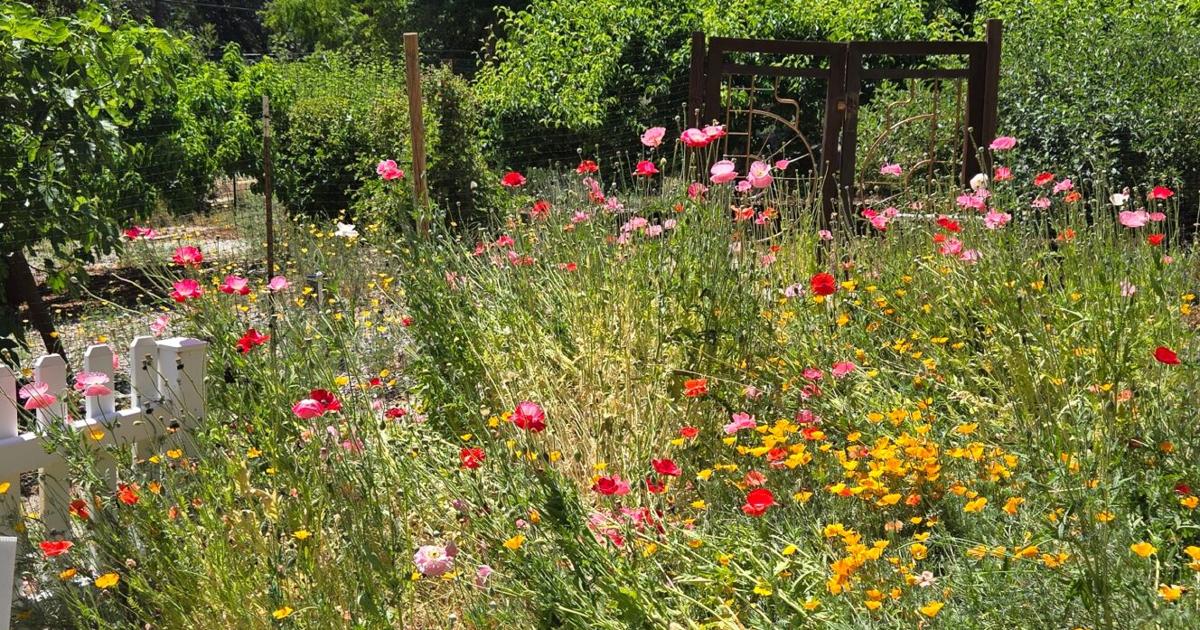
Reflection is an interesting word as well as a good thing to do – especially when it comes to gardening. The term reflection means to give serious consideration or thought to something. Gardeners are pretty good at that. Locally, we certainly have had abundant rain, along with some lengthy days of fog at lower elevations. Considering the recent storms, with rain, wind and hail, we can pause to reflect on how hard it is to predict garden outcomes – will the up-coming growing season be very wet, too dry, or just right? The variables are so different in so many ways.
In order to sort out where to begin, it seems best to keep it simple. Establish gardening goals that are within our control. The weather is not in our control, but what we choose to plant in our garden is. Master Gardeners have a mantra – “put the right plant in the right place” but also at the right time. The right place for one plant might be the wrong place for another. Look at plant labels and study what it says about sun exposure, growing zone, water needs, and how big the plant will grow. If you are planting seed, look at what the seed packet reveals. Consider planting depth, thinning rate and special instructions about seed treatment such as scarification or soaking seed before planting.
January is a good time to plan spring and summer gardens. Figure out what goals are the most reasonable for your energy – and time. Sustainability is another good garden term – what we do in our collective home gardens may impact the greater environment. Making good choices about what we grow and then how we care for what we grow can make a positive or a negative impact on the health of the land.
With the abundance of seed catalogs arriving in the mail box, consider what you want to achieve in the upcoming garden season – are vegetables at the top of the list, or are flowers more desirable, or a mix of the two? Some tips to creating a more sustainable garden landscape include:
Select plants that are adapted to the local climate and microclimate. Plants that are native to California or similar Mediterranean climates are better adapted to our dry summers and wet winters. Consider what is the space available for new plantings – and how big the plant(s) will be when they mature. Matching plants to the available space saves pruning, thus less plant waste. Don’t plant invasive species. A list of invasive species can be found at the California Invasive Plant Council (https://www.cal-ipc.org/).
As we know, water is a very precious resource. Plan to implement strategies to reduce water waste – use mulch and irrigate for the plant’s needs, and don’t overwater. Arrange plants with similar water needs together (hydrozone).
Remember – healthy soil, healthy plants. Cultivate and support healthy soil by feeding beneficial soil organisms – add compost, and utilize natural amendments instead of overloading the soil with synthetic fertilizers. Consider performing a soil test to help direct the adding of nutrients to the soil – more of one thing is not always better. Save the soil by preventing erosion and compaction. Plant cover crops to protect unplanted soil, build healthy soil and control weeds. Recycle yard waste by composting.
Manage pests using the least toxic methods – consult Integrated Pest Management (IPM) sites for guidance. The University of California’s site is http://ipm.ucanr.edu/. Properly use chemicals when needed, and read product labels carefully. For lawn care, use a mulching mower to allow grass to “recycle-in-place” instead of using fertilizer, and avoid high nitrogen and quick-release fertilizers that may run off into streams and adjacent soil.
Protect and encourage beneficial insects and other wildlife – avoid pesticides; add plants that will attract pollinators and birds. Plant some native plants to help restore native habitat, and plant flowers that will provide pollen and nectar for bees, butterflies and birds. Provide water and shelter for our beneficials.
Implement elements of landscape design that help promote sustainable practice such as adding berms or swales to slow the runoff of water during the rainy season.
Careful planning and reflection will help each gardener decide what will be the best sustainable garden for their space. The UC Master Gardeners of Nevada County can help – our series of public workshops begin in February. Join us for the “Hands on Fruit Tree Pruning” workshop February 7, 2026 at the UC Master Gardener Demonstration Garden at 1036 W. Main Street in Grass Valley. This workshop is dependent on the weather (heavy rain will cancel), so watch the website for updates. On February 14, join us for a new topic, “Gardening for a Lifetime”. This workshop will be held at the Madelyn Helling Library in Nevada City. Both workshops will be presented from 10am to noon. A complete list of our workshops can be found on our website: https://ucanr.edu/site/uc-master-gardeners-nevada-county. For home gardening or general questions call our Hotline any time to leave a message at 530-273-0919. UC Master Gardeners are generally in the office (255 South Auburn St in Grass Valley) on Tuesdays from 9am to noon – feel free to stop by to ask a question, or to purchase a Western Sierra Foothills Garden Guide (also sold at several nurseries around town).
Ann Wright is a UC Master Gardener of Nevada County.
Comments are closed.