
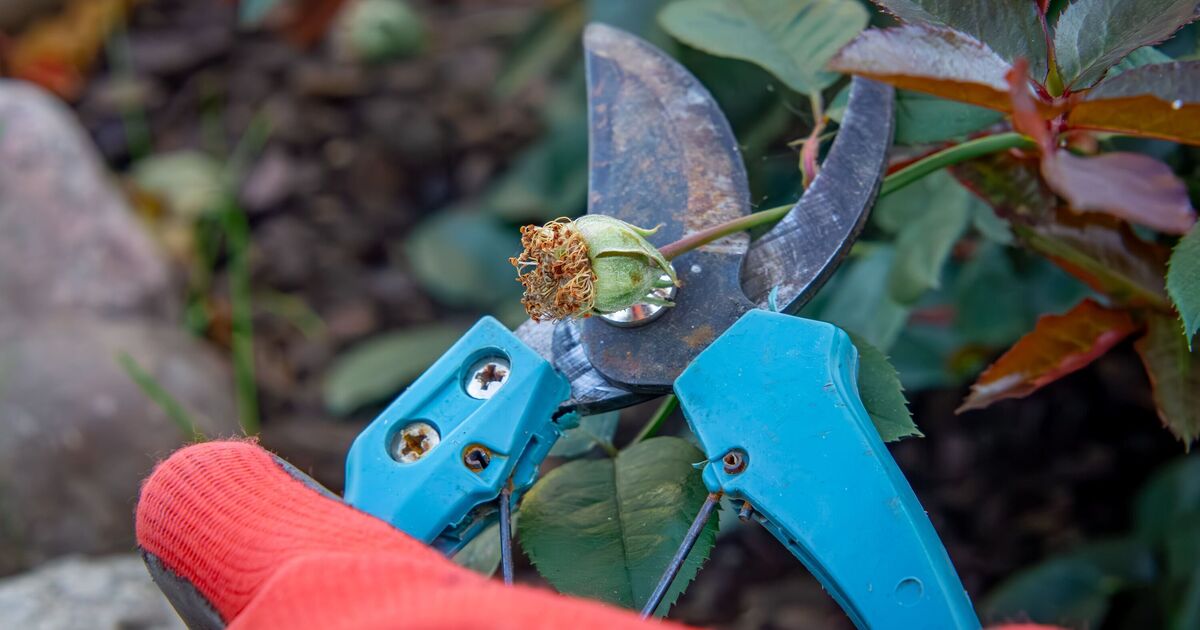
January might seem like a quiet month in the garden, with frosty mornings and bare branches dominating the landscape, but experienced gardeners know this dormant period is absolutely crucial for getting ahead with essential pruning tasks. For some plants, now is the perfect time to control their shape and size, remove dead branches, and thin out congested areas. Not only can this improve your plants’ health and appearance in the long term, but it can also increase their yield if they’re the flowering, fruiting, or berrying kind.
With the help of gardening experts, here are a few plants that benefit from a prune this month, plus advice on how to do so. As an essential January gardening job, this is one task you’ll be glad you did when warmer weather arrives.
Roses
Pruning is one of the most important tasks for garden roses, as it gives them a healthy shape and structure for the upcoming season.
Julian Palphramand, head of plants at British Garden Centres, explained that most roses, especially bush and climbers, “need dead or rubbing canes removed”, with weaker growth cut back for airflow.
Shrub and bush roses require trimming dead or damaged stems and reducing main branches by a third above outward buds for better airflow.
Hydrangeas
January is the ideal time for pruning hydrangeas to encourage new growth in the spring. However, avoid pruning early hydrangeas now to prevent damage or lost blooms.
Julian said: “Panicle and smooth hydrangeas tolerate aggressive cuts, removing one-third to half the oldest wood before buds swell.”
Late summer clematis
If your clematis takes its sweet time to bloom and only fills up in late summer, then chances are that you have a group three clematis.
You can cut group three clematis down to about 10 inches from the base to “stimulate vigorous” regrowth and avoid growing spindly leggy plants, according to gardening pro Mickey Gast at Rural Sprout. Go back to a leaf node and cut right above it.
However, if your clematis blooms in the first part of the year (in June or earlier), that means it’s producing flowers on old stock. Mickey warned: “Winter is not the time to prune these plants, because you’ll be taking the new buds down with it.”
Apple and pear trees
Gardening experts at Hillier recommend pruning apple and pear trees during the dormant season, usually between November and March.
They instructed: “Remove crossing, dead or diseased branches. Shorten the previous year’s growth by a third.”
Comments are closed.