

Roses are very sensitive to the cold and can be quickly damaged by snow or frosty weather – but gardening experts say rose cones can protect plants from wintry conditions Roses are vulnerable to snowy conditions(Image: Getty)
January might appear an odd month for garden tasks, but the snowfall now blanketing Britain could spell disaster for roses unless gardeners take immediate action. Roses are notoriously fussy about dampness, and frozen buds quickly turn fragile, split apart and perish during the winter months.
With temperatures swinging wildly at this time of year, rose roots that repeatedly freeze and defrost can trigger excessive moisture accumulation beneath the earth. This icy water doesn’t just harm roses – it can rot the root system entirely and spawn persistent fungal problems that plague flower beds for ages.
Fortunately, Jennifer Arnott, gardening guru and brains behind The Fabulous Garden, has revealed that shielding roses from snowy conditions is straightforward – simply cover them with polystyrene protection.
 Roses will stay healthy and safe from snow if 1 simple item is placed on the ground(Image: Getty)
Jennifer explained: “Some people winterize their roses by just mounding soil around and over them. This works to a certain extent, but a better way is to use what are called rose cones or rose huts. They come in a variety of sizes and are made of styrofoam or other materials.”
Rose cones (also known as rose huts) are basically protective shields that sit over roses to guard against snow, frost and bitter winds.
Typically dome-shaped to encase rose bushes, they maintain slightly warmer air around the plant to stop buds or roots from icing over.
Setting up this protective measure is incredibly straightforward and ranks among the finest methods for safeguarding roses throughout winter, ensuring blooms remain undamaged and thriving.
How to establish a rose cone for winter flower protection
Should your rose bush have any deceased or damaged branches, it’s perfectly acceptable to trim these away to ensure the cone fits properly.
Nevertheless, January typically brings the harshest cold to the UK, and excessive cutting can expose the plant to frost damage.
When healthy branches obstruct the fitting, it’s preferable to simply bend them back rather than undertake severe pruning. For particularly dense roses, secure them with string to bundle them together for a proper fit.
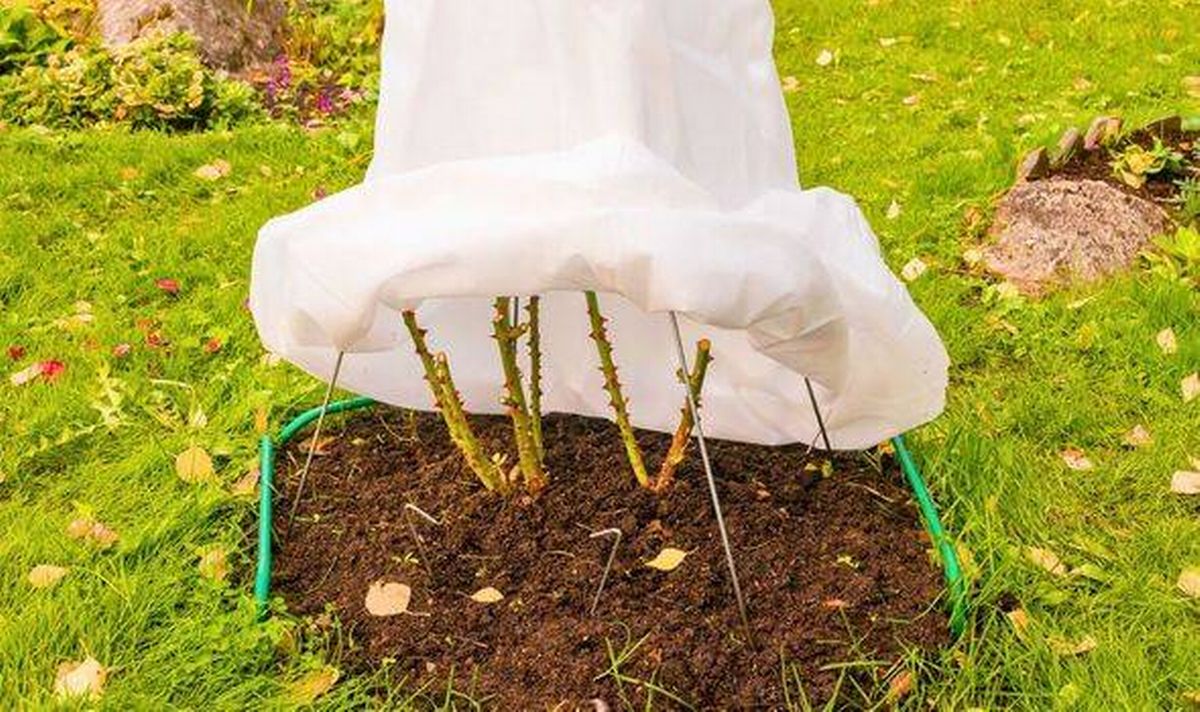 A simple way to protect flowers is to add a rose cone to your garden(Image: Getty)
Subsequently, position the rose cone over the plant and pack it with earth. Ensure the soil isn’t frozen solid or rock-hard, as this defeats the purpose of using the cone.
Should you struggle to locate appropriate soil, pop some in a plant pot and bring it inside to defrost for a few hours.
Proceed to pack the cone with earth as near to the brim as possible, but avoid adding any compost or mulch since these materials tend to lure unwanted creatures.
Jennifer explained: “You might be tempted to fill the cone with leaves or straw or something lighter than soil. This would, in theory, insulate your rose bush.
“But if you do you run the risk of mice and other small critters crawling in there to stay warm and cosy, and snacking on your rose canes (aka stems).”
Taking the effort to establish a rose cone will ensure the plant’s safety regardless of how chilly the weather becomes in the forthcoming weeks, guaranteeing you’ll greet spring with an abundance of buds primed to bloom into flowers.
Comments are closed.