
 TravelCouples//Getty ImagesZig Zag Cactus (Disocactus anguliger, formerly Epiphyllum anguliger)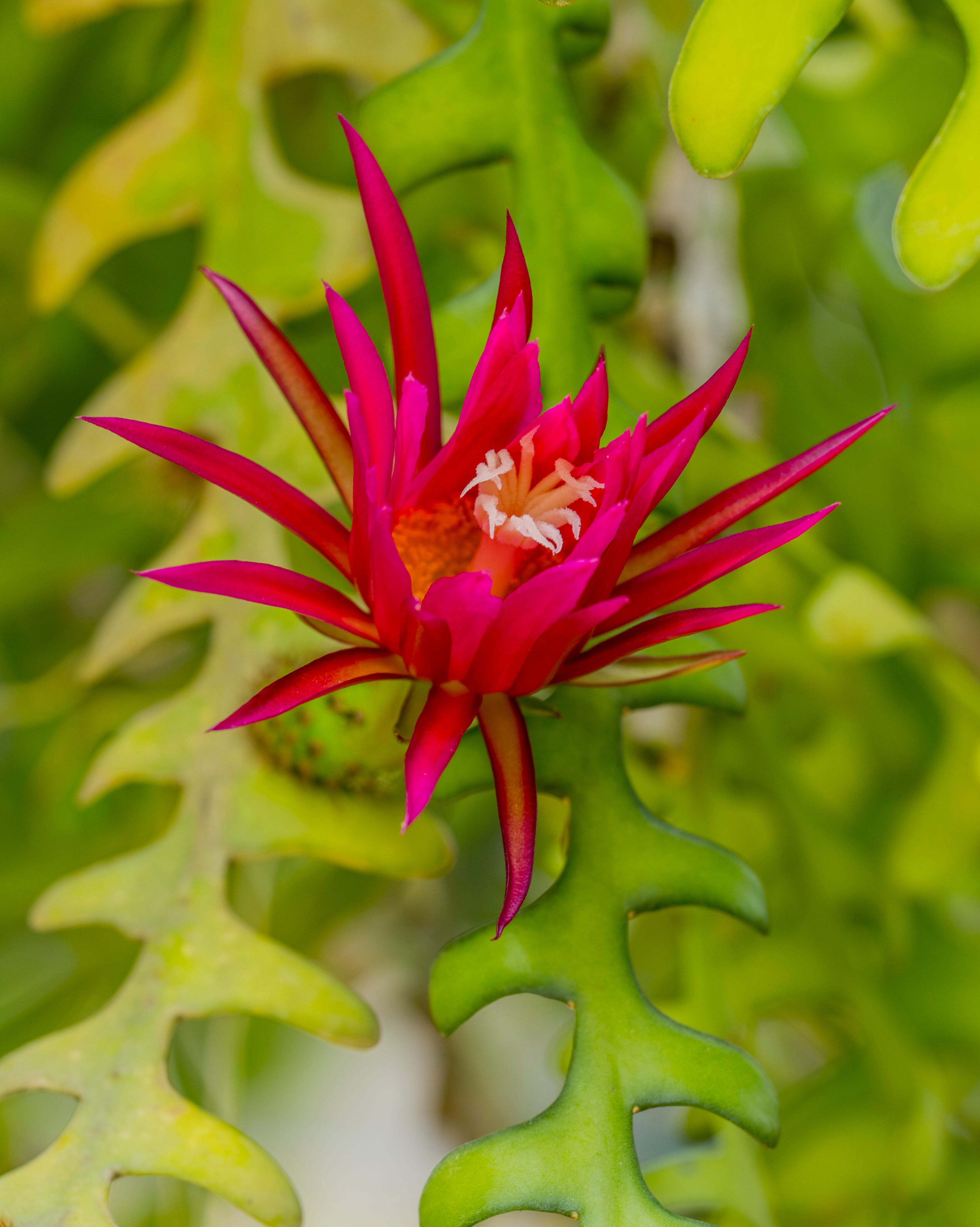
If you’re looking for a whimsical cactus that doesn’t look anything like a spiky desert-dwelling cactus, the zigzag cactus (also called ric rac or fishbone cactus) is for you. It’s actually an epiphyte, like orchids or air plants, in its native environment.
Give zig zag cactus bright, indirect light, and it will grow quickly and may even bloom after a few years with fragrant, orchid-like flowers that last about a week. Water when the top few inches of potting mix is dry.
Read more: 38 Types of Cactus Plants for Your Home and Garden
Scindapsus (Scindapsus spp)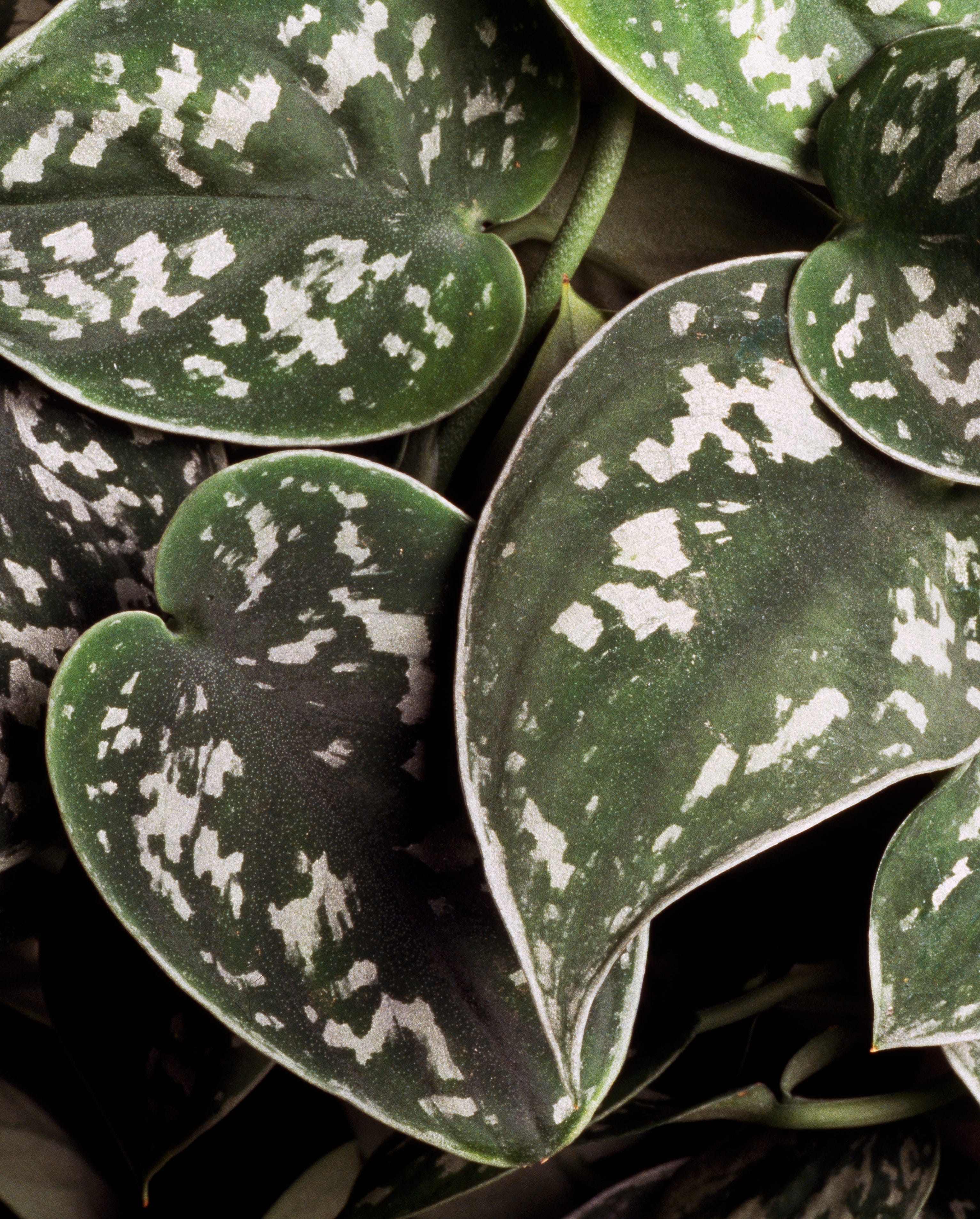
If you’re a fan of pothos, this relative is a great choice. Scindapsus is a vining plant with a silvery sheen or silver splashes on its foliage. It resembles pothos and is often called silver pothos or satin pothos, though it’s a different genus.
However, care is the same: Bright, indirect light is best, though scindapsus will tolerate low light levels (it just doesn’t grow very fast). Water when the top few inches of soil feels dry.
Read more: How to Care for a Scindapsus Plant
Advertisement – Continue Reading Below
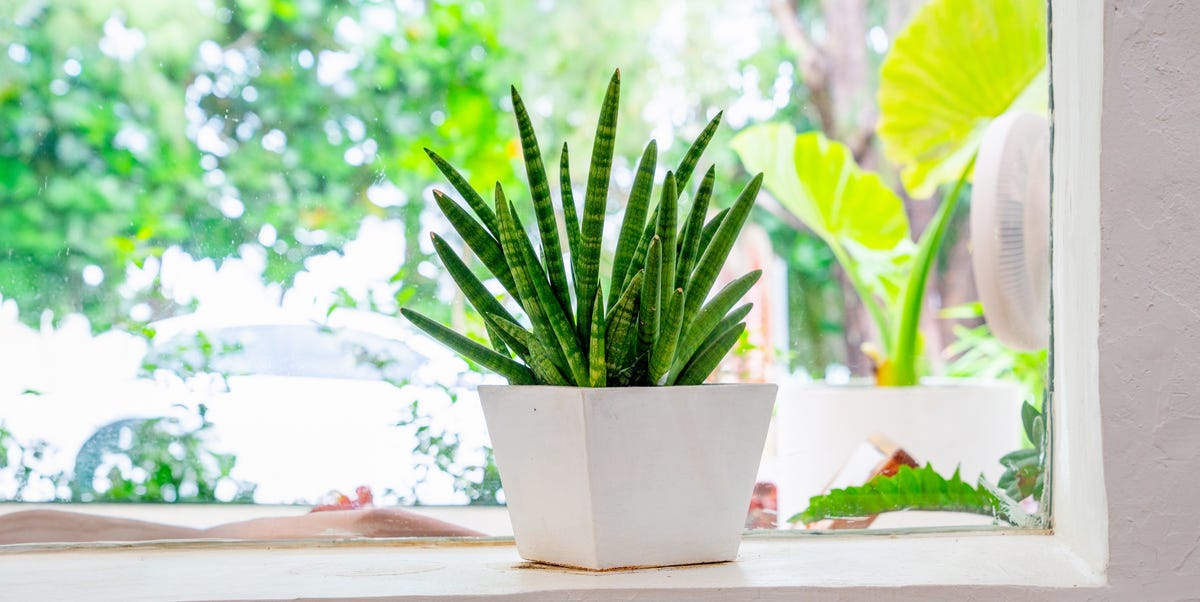
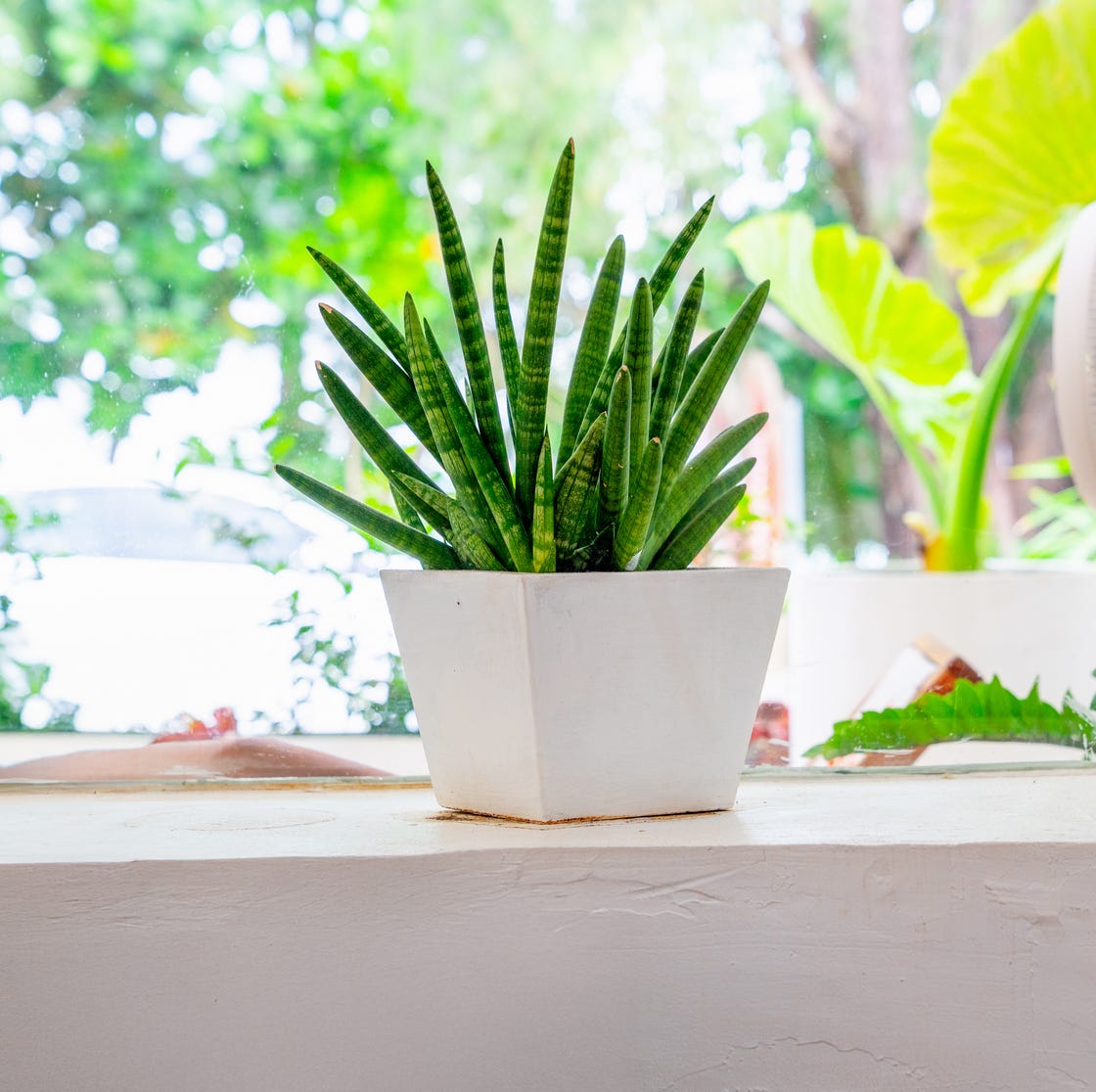
Snake Plant Cylindrica (Sansevieria cylindrica)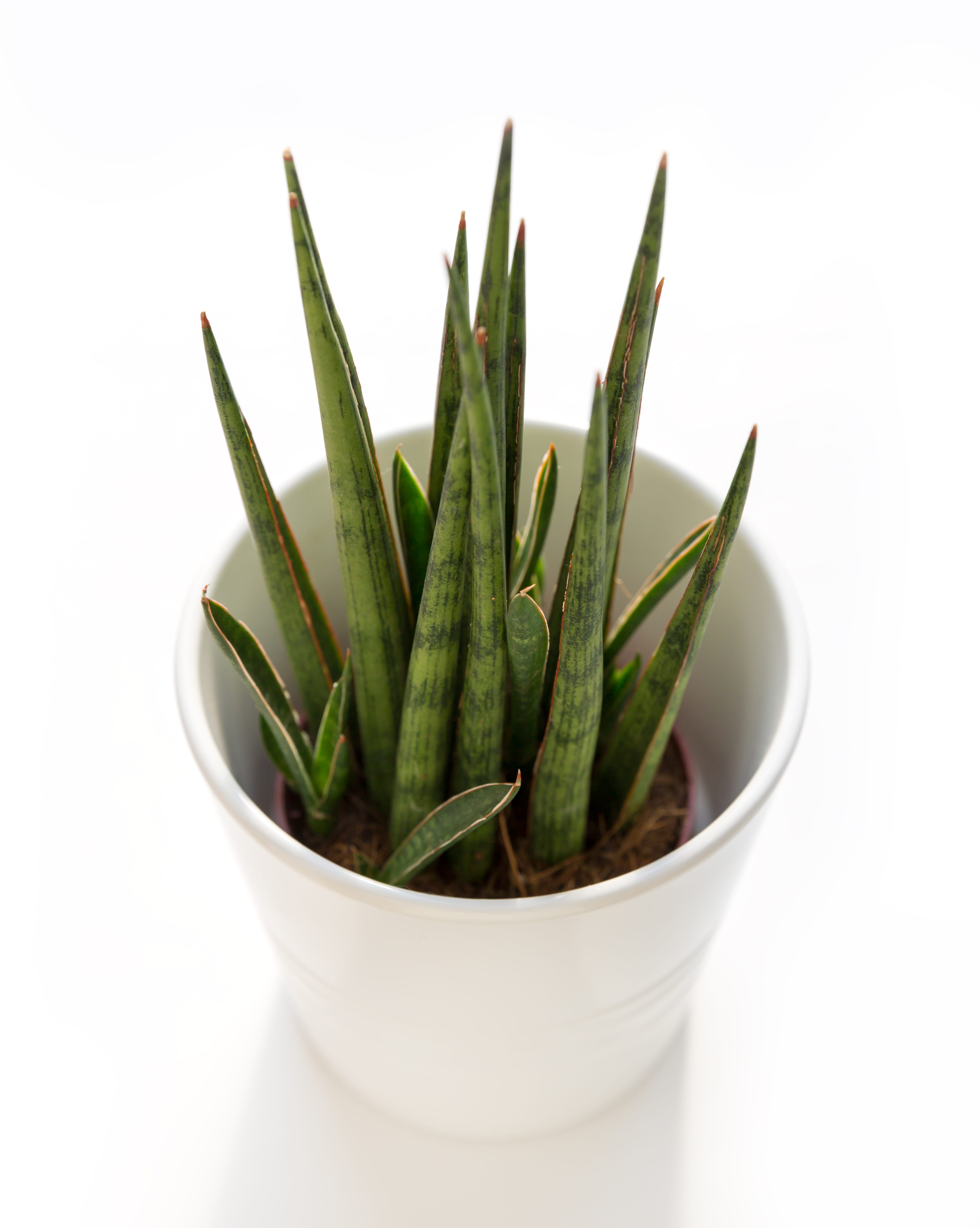
Most of us already have the sturdy snake plant, with its flat solid green or variegated foliage. While it’s a sturdy and reliable plant, I find this variety, with its cylindrical spike-like foliage, much more interesting.
Although this variety of snake plant has a modern feel, it looks at home in any room with low to medium light conditions. Water it when mostly dry.
Read more: How to Care for a Snake Plant
Fernleaf Philodendron (Philodendron Tortum)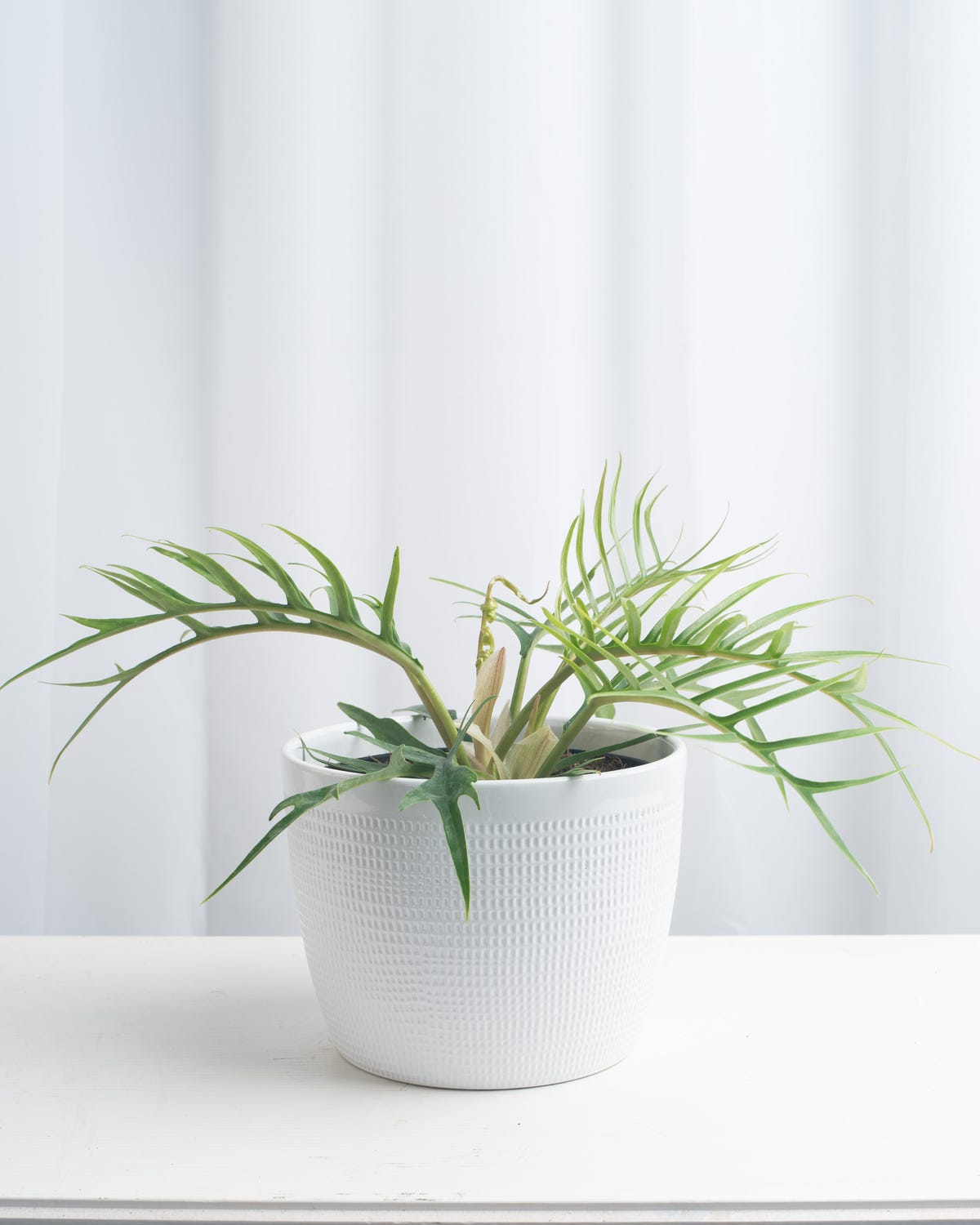 Costa Farms
Philodendrons are some of the easiest plants to grow, and I absolutely adore the wispy, curling fern-like foliage of this variety. It looks delicate but is actually quite sturdy and forgiving of many different indoor conditions.
This philodendron starts out as a bushy plant before it’s ready to climb; then it takes off on a moss pole. Give it bright, indirect light, and water when the top few inches of soil feel dry.
Read more: 11 Types of Philodendrons Houseplant Lovers Find Easiest to Grow
Advertisement – Continue Reading Below
Aglaonema (Aglaonema)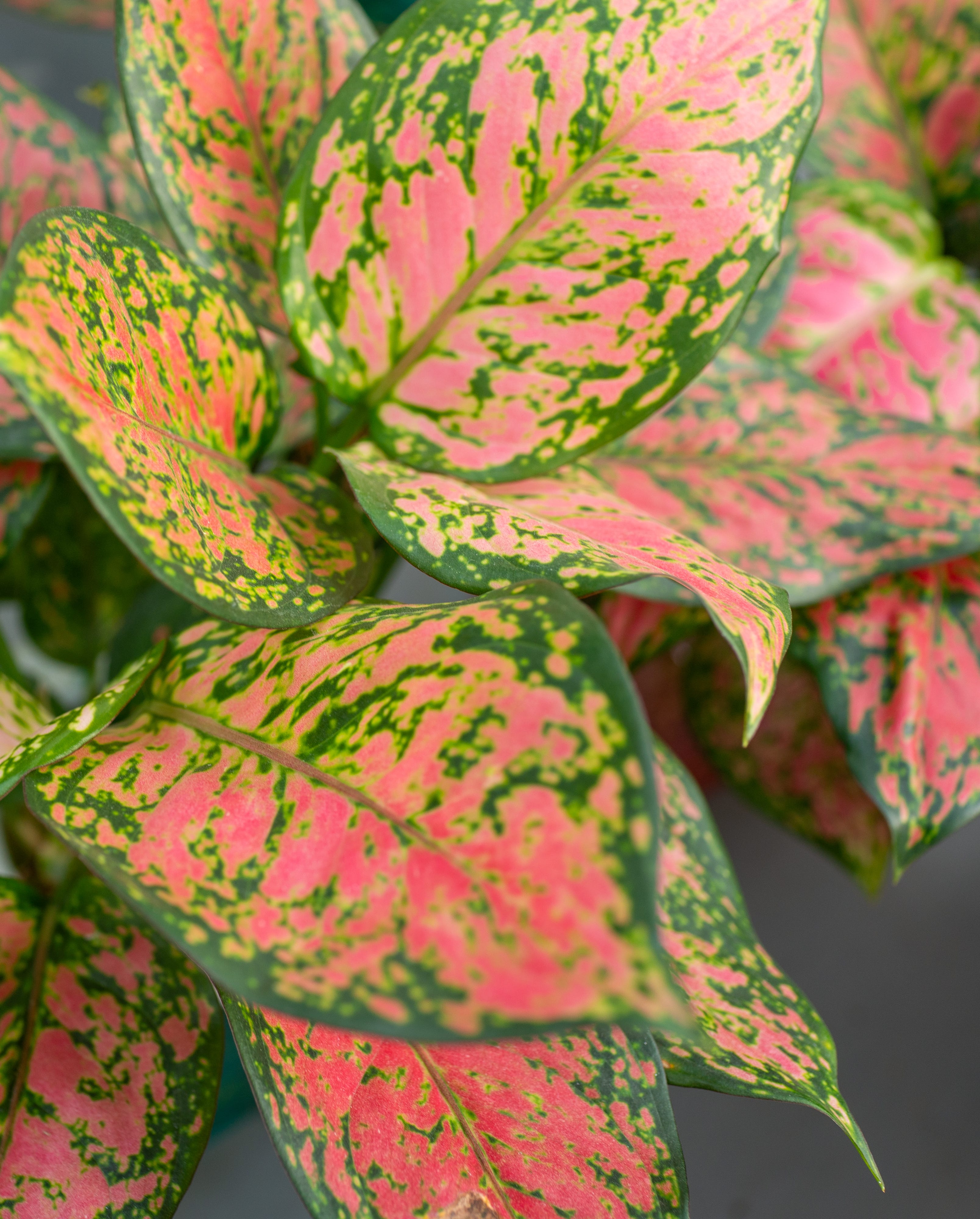
Also known as Chinese evergreen, this is an excellent plant for beginners because it’s tough-as-nails and puts up with a lot of abuse. Its pretty foliage is silvery, solid green, or pinkish (my favorite!).
If aglaonema gets sufficient light, it will show off with calla lily-like blooms. It prefers moderate light, though it will tolerate low light levels. Water when the top few inches feel dry.
Read more: How to Care for Aglaonema
Bird of Paradise (Strelitzia nicolai)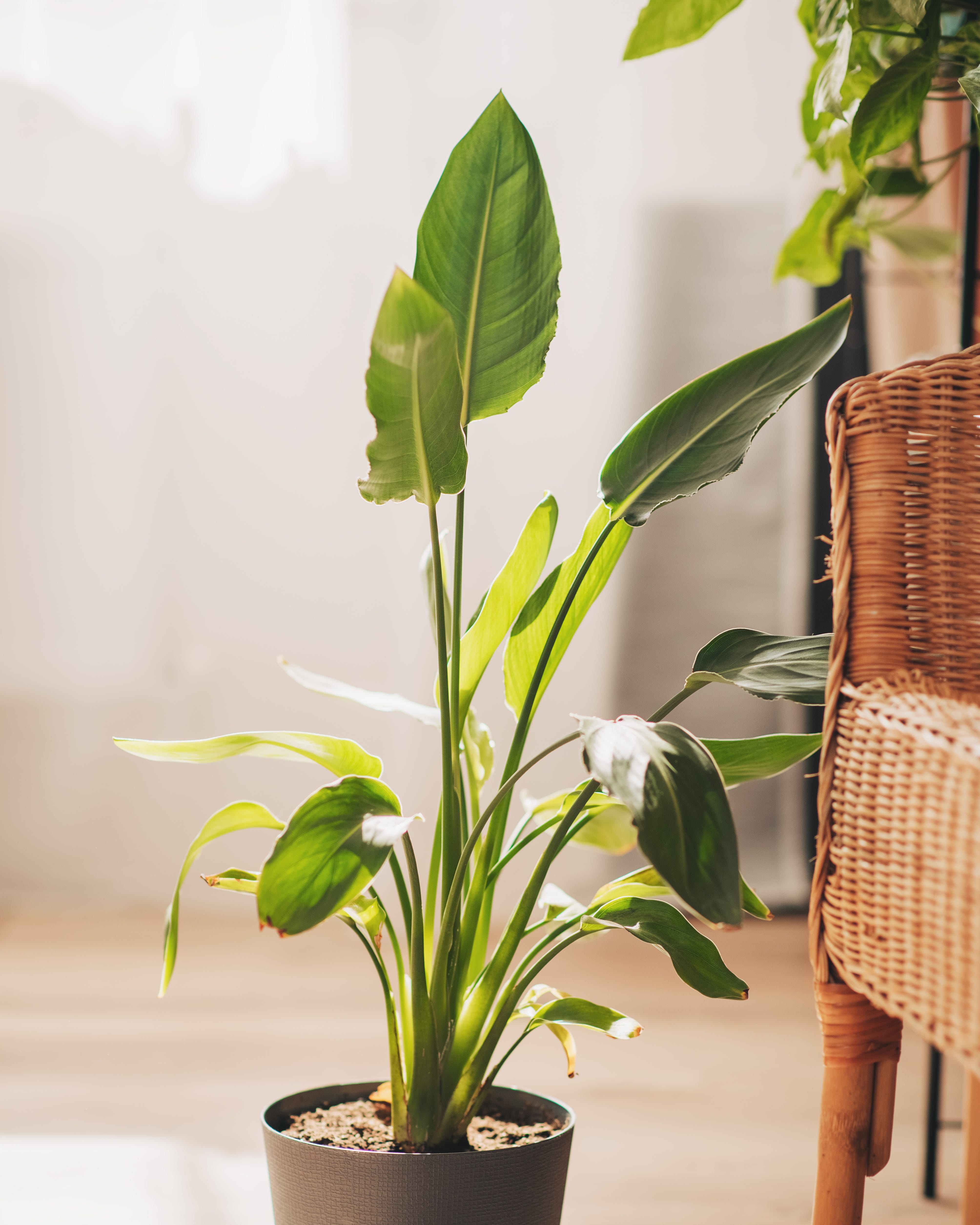
Bird of paradise is often thought of as a garden plant, but I find it an eye-catching indoor floor plant. This plant can become quite large (mine grew quickly to touch my 9-foot ceilings). It rarely blooms indoors but still makes a striking accent in any room.
Bird of paradise prefers bright light and can take full sun, but it will adapt to indoor medium light levels. Water when the top several inches of soil are dry.
Read more: How to Grow Bird of Paradise
Advertisement – Continue Reading Below
Bird’s Nest Fern (Asplenium nidus)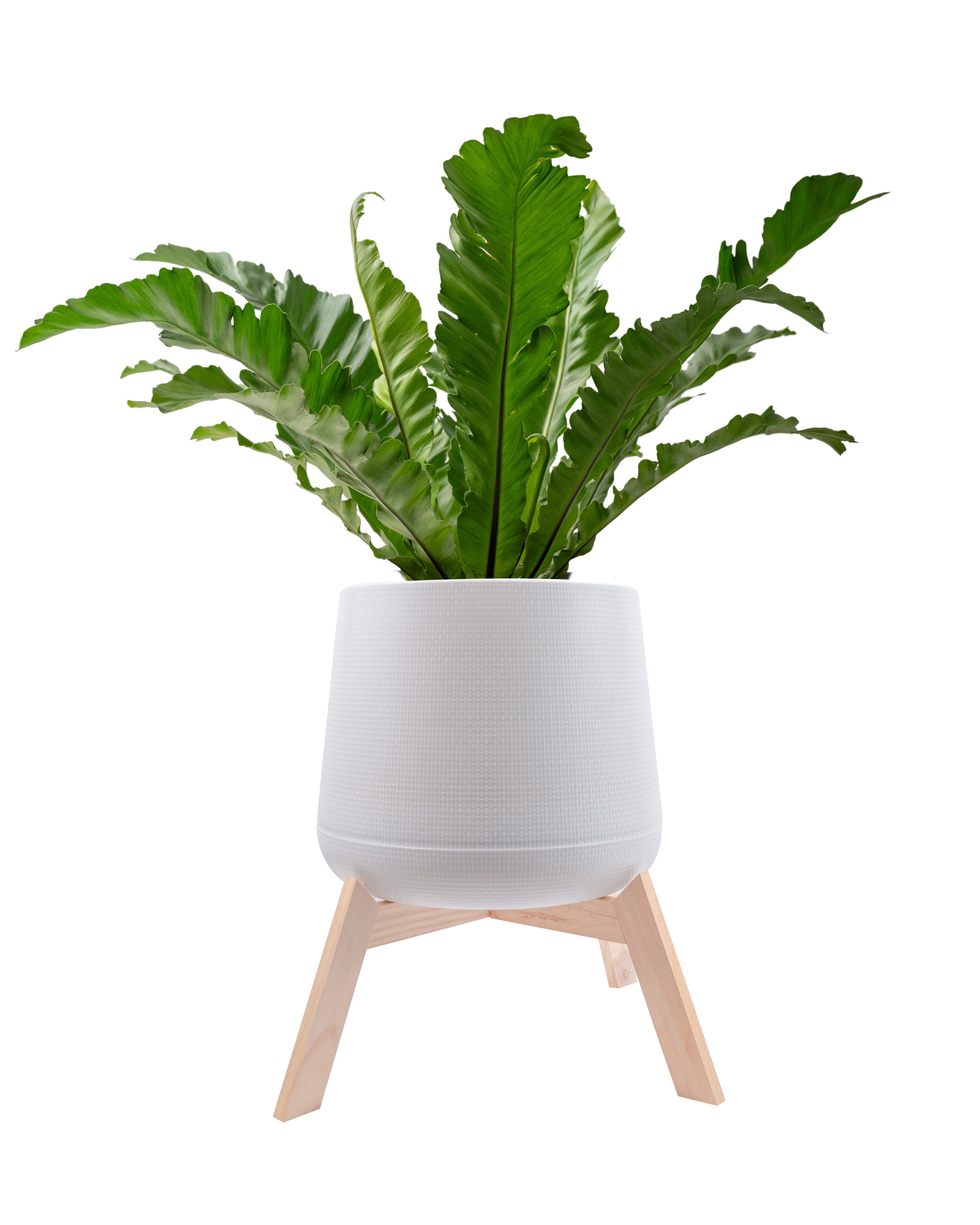
If you struggle with Boston ferns indoors (they need a ton of light and humidity or they tend to drop fronds over and over), try a bird’s nest fern.
This handsome fern has shiny, leathery fronds that whirl around from the center of the plant in a nest-like form. Give it bright indirect light. Water when the top few inches feel dry.
Monstera Lechleriana (Monstera lechleriana Albo-Variegata)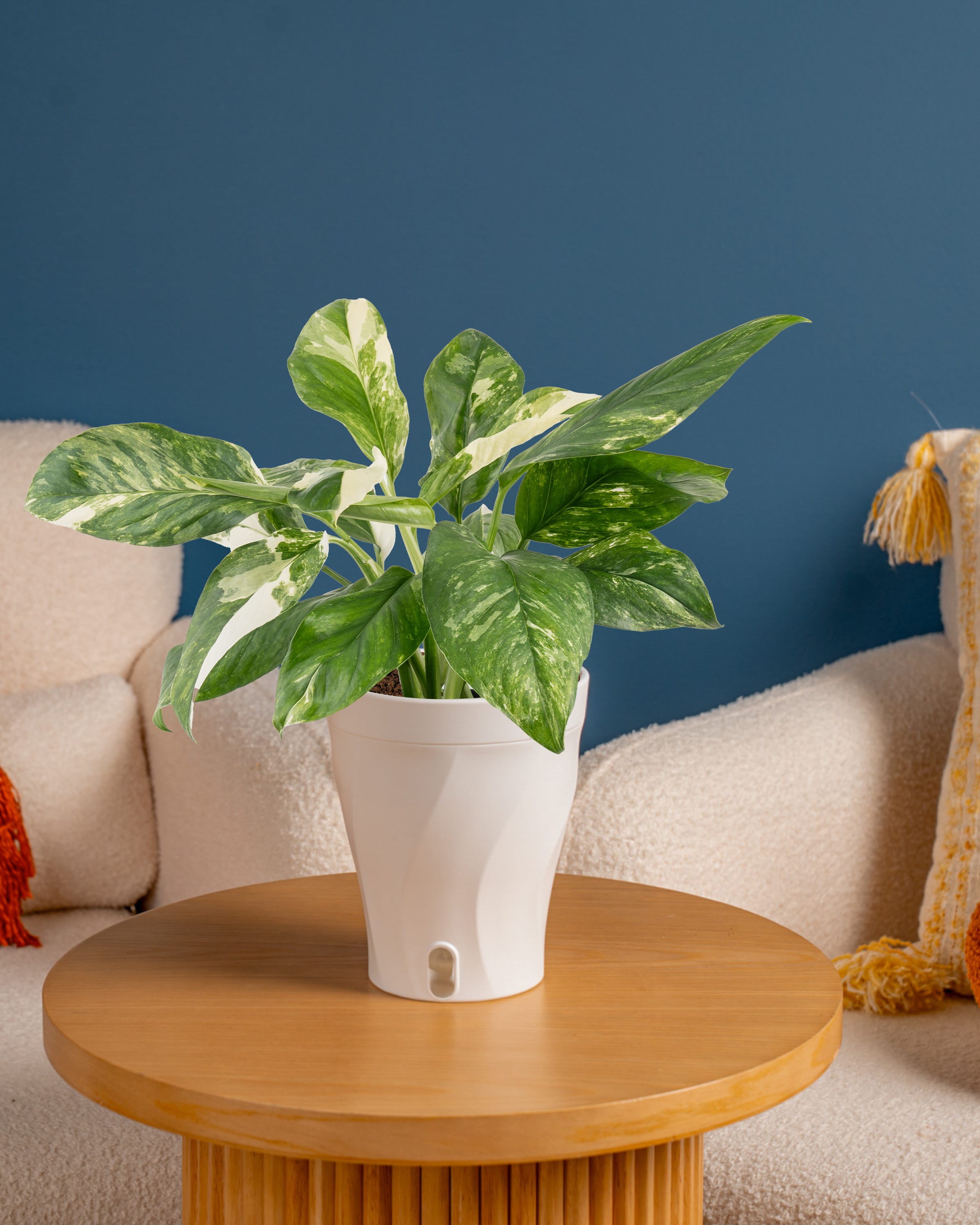 Costa Farms
It sounds like a mouthful, but this lesser-known—and once rare—Monstera is absolutely stunning, with its long leaves splashed with cream and white. As it grows, it gets fenestrations (holes) like most other Monstera varieties, closer to the center of the leaf.
Give it bright, indirect light for best growth. It will tolerate medium light but gets a little leggy. Water when the top few inches of soil feel dry.
Read more: How to Care for Monstera Plants
Watch Next


Advertisement – Continue Reading Below
Advertisement – Continue Reading Below
Advertisement – Continue Reading Below
Comments are closed.