
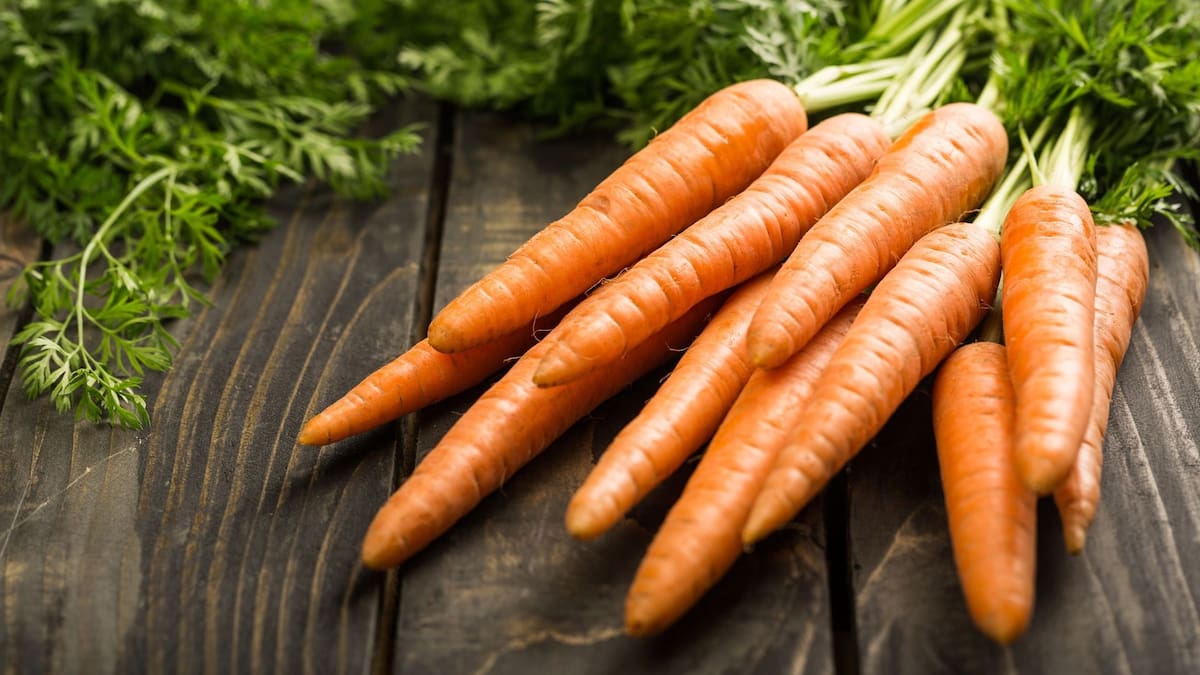
When sowing in rows, maintain a spacing of 40–50 cm between rows and plant seeds no deeper than 6 mm.
Planting too deeply will hinder germination.
Alternatively, sowing in blocks rather than rows can help suppress weed growth.
Late autumn crops will generally overwinter, but be mindful of bolting in early spring.
March is typically the latest advisable sowing time, as cooler conditions slow germination and increase the risk of slug and snail damage, carrots being a particular favourite.
Prepare the soil thoroughly to prevent forking, which occurs when roots encounter obstructions.
Avoid high nitrogen levels, as these promote excessive foliage at the expense of root development.
A fine tilth is essential, given the small size of carrot seeds.
To protect young seedlings, mark the bed edges and consider covering with cloth to deter birds and cats.
After approximately four weeks, when true leaves appear, thinning is necessary to ensure uniform root development, a tedious but worthwhile task.
As plants mature, gently cover exposed crowns with soil to prevent greening.
Carrots are ready for harvest when their shoulders emerge from the soil and reach the desired size.
Popular varieties include Manchester, Majestic and Nantes, though heirloom and rainbow mixes offer appealing alternatives.
Rich in beta-carotene, which converts to vitamin A, carrots also provide antioxidants and dietary fibre, making them nutritious and flavourful.
Their natural sweetness enhances casseroles, fritters and countless other dishes.
If you have an abundance of carrots, hunt out a good carrot cake recipe.
You can also make fresh spring Asian rolls and add finely sliced carrots or use carrot sticks instead of crackers for dips and hummus.
Make soup, or carrot gnocchi, juice them and make a sweet dressing for salads.
Carrots are a must for the vegetable garden; they are so versatile.
Pickled vegetables
You can add carrots to your pickled vegetables. Photo / Unsplash, Kim Daniels
I make a vegetable pickle with carrots, cucumbers, radishes, daikon, beans, onions, cabbage, asparagus and cauliflower, just to name a few.
I usually use a 1-1 ratio of vinegar and water, as this suits my slightly sour taste buds.
If you like your pickles sweeter, add less vinegar and up the water.
You need to experiment a few times to get the ratio that will suit.
When it comes to the vinegar, I usually use white or cider.
I always put my pickles into glass jars with a snap lid and a rubber seal.
I find that boiling the mixture and cooling it to room temperature before adding it to the vegetables brings out the flavour more.
By cutting your vegetables into small pieces, they should pickle in a few hours.
You may like to add a small amount of sugar and a touch of salt, and I often add mustard seeds as well.
Pickled vegetables will last three weeks in the fridge.
Comments are closed.