
Q. My friend and I talk gardening all the time. One recent conversation has made me want to meet her challenge to learn more about the plant … shampoo ginger. She coined it a “hidden treasure.” Can you help me with reliable information to learn how to care for this tropical wonder so it can bring a touch of the exotic to my west Georgia garden? Paulette P.
A. I would be delighted to guide you Paulette P. on your path to planting some tropical roots in our Georgia red clay soil, and why it’s an intriguing, beautiful addition to a West Georgia garden; how to grow and care for it, and what gardeners in our region should know before planting.
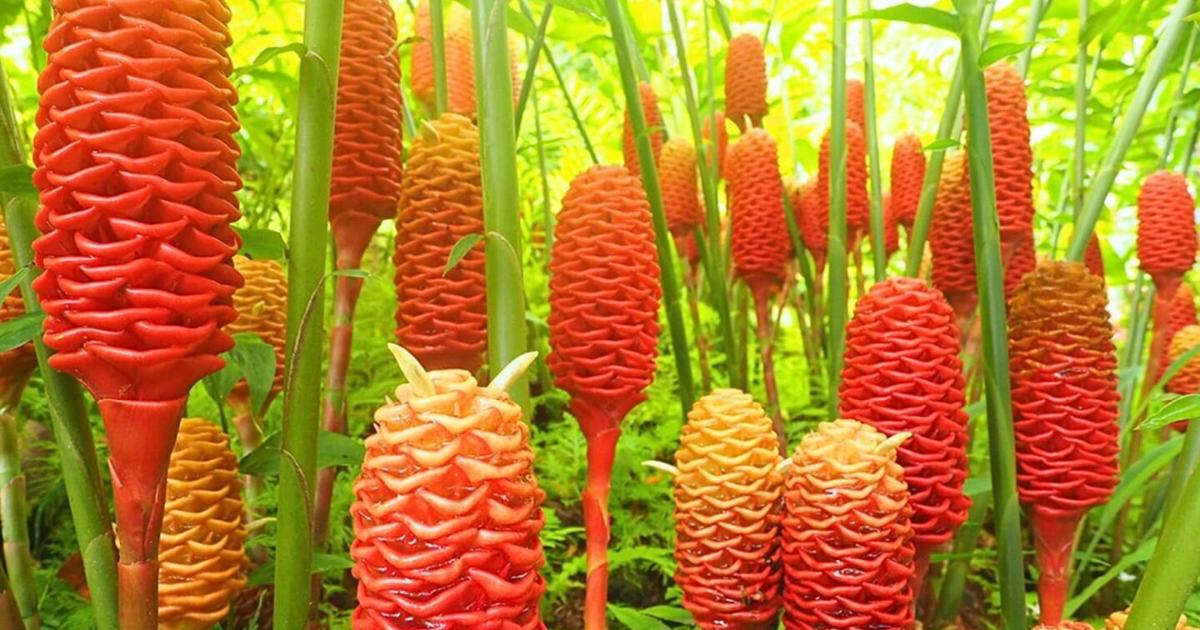
This exotic ginger can transform an ordinary garden into a sensory retreat — with lush foliage, vibrant cones, and nature’s own shampoo at your fingertips. In late summer, when most flowers begin to fade, a curious red pinecone appears among tall, lush stalks of green. Give it a gentle squeeze, and out flows a fragrant, silky liquid — nature’s own shampoo. Meet Zingiber zerumbet, the “shampoo ginger,” a plant that’s equal parts botanical oddity and tropical elegance, now finding its way to homes and backyards in West Georgia.
Native to Southeast Asia, Zingiber zerumbet (also called pinecone ginger, bitter ginger, or awapuhi) belongs to the same family as culinary ginger and turmeric. For gardeners in West Georgia — where winters are mild compared to more northern states — this plant offers a dash of the tropics as a striking ornamental, a conversation-starter, and potentially a source of natural hair/skin care.
There are two Extension articles that I suggest you read and review that will be helpful to you. The University of Georgia Cooperative Extension, ‘Growing Ginger and Turmeric at Home.’ https://site.extension.uga.edu/fultonag/2021/03/growing-ginger-and-turmeric-at-home/?utm_source=chatgpt.com. It provides local Extension context on growing ginger-family plants in Georgia gardens, how rhizomes behave, and general cultural tips that can help West Georgia gardeners understand conditions for related species like shampoo ginger. And the University of Florida IFAS Extension, Gardening Solutions Publication, ‘Shampoo Ginger.’ https://gardeningsolutions.ifas.ufl.edu/plants/ornamentals/shampoo-ginger/. It profiles specifically shampoo ginger (Zingiber zerumbet) and it describes its appearance, planting, care, and ornamental uses in the landscape.
Why Shampoo Ginger Could Become a “Southern Exotic” in West Georgia Gardens
For many gardeners in Carroll County and the West Georgia region, landscape plantings tend toward azaleas, hydrangeas, native wildflowers — hardy, familiar, and easy. But there’s growing curiosity for the unusual, the tropical, the conversation-worthy.
Shampoo ginger brings a fresh aesthetic: bold tropical foliage, unusual pinecone-like blooms in summer/fall, seasonal drama, and a walk-in-the-garden “wow” factor. For someone in Carrollton or nearby — even with occasional light frost — container gardening with shampoo ginger offers a low-commitment way to test the exotic without risking garden loss.
Beyond looks, the plant’s functional aspects — natural shampoo/skin rinse, conversation starter, cut-flower or floral-arrangement potential — add to its charm. It offers a bridging of worlds: tropical flair, low-maintenance gardening, and small-batch natural/home-care use — all in familiar soil.
Best Practices and Recommendations for West Georgia Gardeners
While shampoo ginger originates from tropical Asia, its cultivation requirements make it a viable candidate for many parts of West Georgia — especially if you take a few precautions.
1. Hardiness: Zingiber zerumbet is generally hardy in USDA Zones 8-11. Carroll County, Georgia lies within Zone 8a. According to the new 2023 map, though some parts, especially around Carrollton, were previously 7b and still show as both zones depending on the source. This indicates a slight warming trend, with the minimum average winter temperatures now often in the 8a range.
2. Start in a pot or raised bed: Especially if you’re unsure about winter survival, begin with a container or raised bed. It’s best to treat shampoo ginger as a summer perennial or a potted plant that can be brought indoors especially if winters dip below freezing.
3. Provide partial shade + moisture: Choose a spot with morning sun and afternoon shade (e.g., under a porch roof, eastern exposure, or beneath a tree canopy). Keep soil consistently moist — mulch helps — but ensure good drainage.
4. Divide every few years: Every 2-3 years (or as clumps become crowded), divide rhizomes to maintain vigor and avoid over-crowding. Divided clumps also make great gifts or swap material for fellow gardeners.
5. Harvest “shampoo” thoughtfully: When cones turn their mature red, squeeze gently into a container. Use fresh or store in a cool place (some growers freeze the liquid) — and enjoy the plant’s unusual gift.
6. Expectations vs. reality: While the plant’s “shampoo juice” is aromatic and natural, there’s limited scientific validation for special medicinal or cosmetic claims. Enjoy it as a novelty, a natural hair/skin rinse, or aromatic garden accent — but treat any therapeutic use with caution.
As a gardener eager to add a bit of tropical flair, a conversational piece, or a hands-on, natural-living experiment — Zingiber zerumbet offers a fantastic option. It’s exotic yet manageable, functional yet beautiful, and suits gardeners willing to treat it with just the right bit of respect. In West Georgia, where humid summers and mild winters can — with care — accommodate such a subtropical, shampoo ginger could become a quiet secret of home gardens, container patios, or shaded borders. So if you spot a ginger like plant in a nursery or online catalog next spring, consider giving “pinecone, shampoo ginger” a chance: it might just add a little aloha to your Georgia backyard.
Comments are closed.