
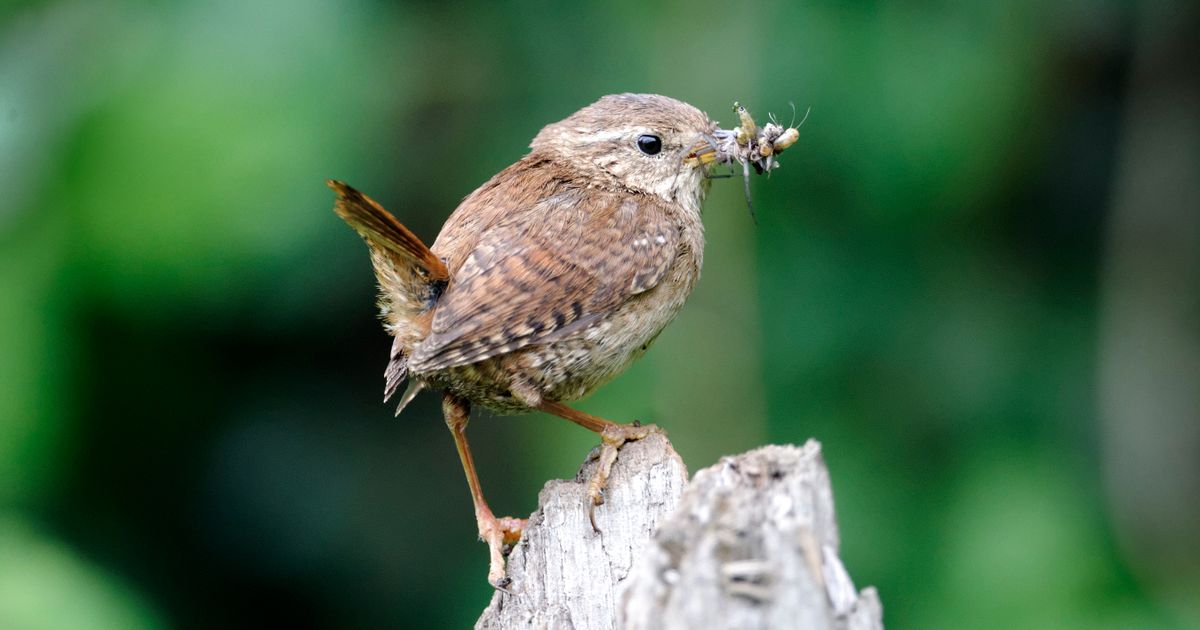
An expert has issued advice about a common product that many people use in their gardens, and told people to stop using it. This is because it can prevent birds from visiting
06:39, 26 Dec 2025Updated 07:51, 26 Dec 2025
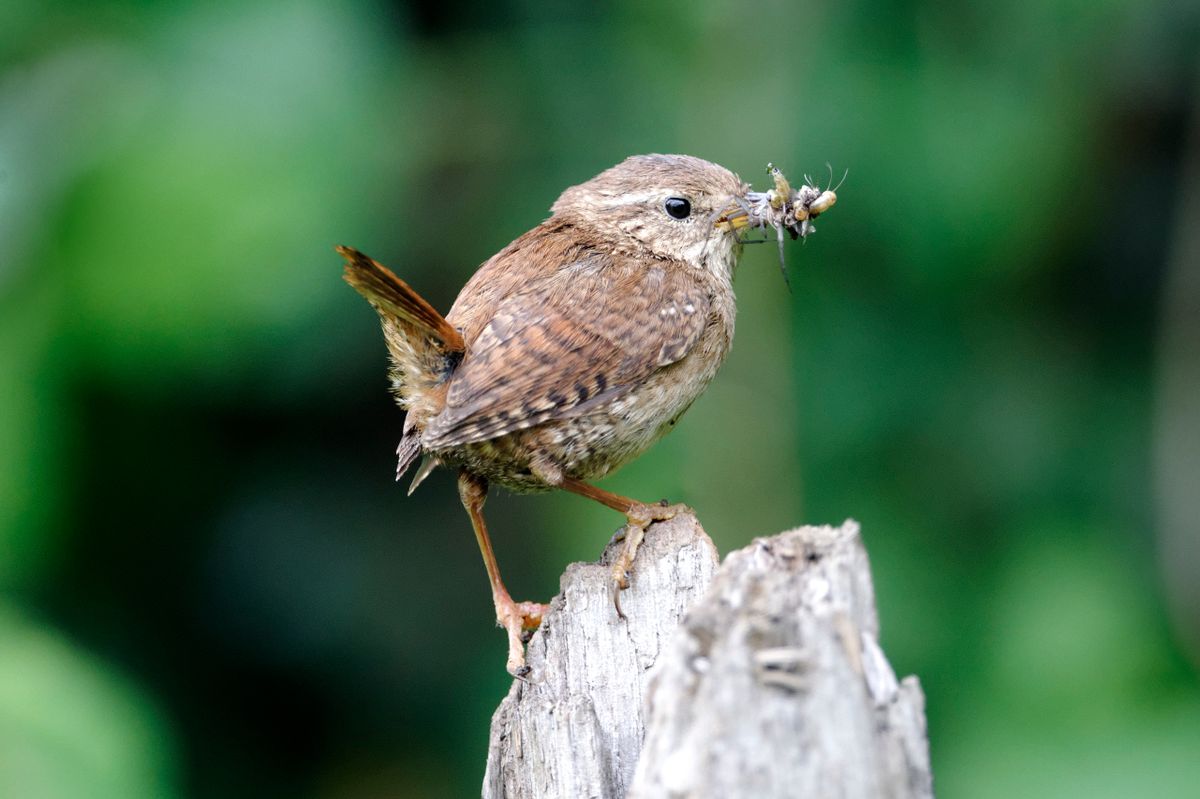 People like to see birds in the garden (stock image)(Image: Getty Images/iStockphoto)
Households across Britain have been urged to stop using a common item in their gardens, with experts warning it could be harming birds and other wildlife. David Fryer, Head of Technical at Mr Fothergill’s, has issued a stark warning about a commonly used product that many assume causes no problems.
The revelation may surprise gardeners who believe they’re making environmentally conscious choices. The product in question is eco sprays which, despite their green credentials, could be causing significant damage to garden ecosystems. It turns out, it can lead to hindering birds.
Mr Fryer explained: “Even natural or ‘eco’ sprays can harm the insects and birds you want to encourage. Instead, let your garden’s ecosystem do the work. A wildlife-friendly garden naturally attracts predators that manage pests, such as ladybirds, hoverflies and lacewings, reducing the need for chemicals altogether.”
The advice is simple. Stay away from sprays if you want to attract and care for birds.
What’s an eco spray?
An eco spray is a pesticide manufactured from natural, plant-based ingredients. It’s designed to control pests without damaging the environment or beneficial insects.
They are frequently used in organic gardening and are considered safe for use on edible plants. These sprays utilise ingredients like plant-based oils and soaps to exterminate pests.
Some also incorporate other natural repellents like garlic or pepper. They are generally formulated to be safe for beneficial insects like bees and pets.
Some are also safe for use on fruits and vegetables right up until harvest, as they have no withholding period. However, even so, the sprays can be harmful for birds.
Even if they are made with natural ingredients, birds have incredibly sensitive respiratory systems that are vulnerable to airborne particles and chemical fumes from any spray product.
It doesn’t matter what the product is composed of, it still has the potential to cause harm to birds. Birds can directly ingest residues if they land on or eat from recently sprayed plants or consume contaminated water.
There are a few ways the products can pose danger.
How can you help wildlife?
David suggested: “Once your summer blooms have faded, you can still bring colour and food back into your beds with autumn-flowering plants. Late bloomers such as Japanese anemones, asters, chrysanthemums, rudbeckia, sedum and Michaelmas daisies offer bursts of colour when pollinators need it most.
“By keeping nectar and pollen sources available late into the year, you’ll help bees and butterflies build up reserves.”
Discussing what to plant, he added: “Native hedging plants such as hawthorn provide berries in winter and nesting cover in spring. Shrubs like holly and viburnum are reliable berry producers, too.
“For blooms across the seasons, mix spring bulbs like crocus and snowdrops with summer-flowering herbs and autumn favourites such as ivy and sedum, ensuring year-round sustenance for pollinators.”
There are a multitude of methods to maintain your garden’s appeal during winter, whilst also aiding wildlife. All it takes is adherence to a few straightforward guidelines.
Comments are closed.