
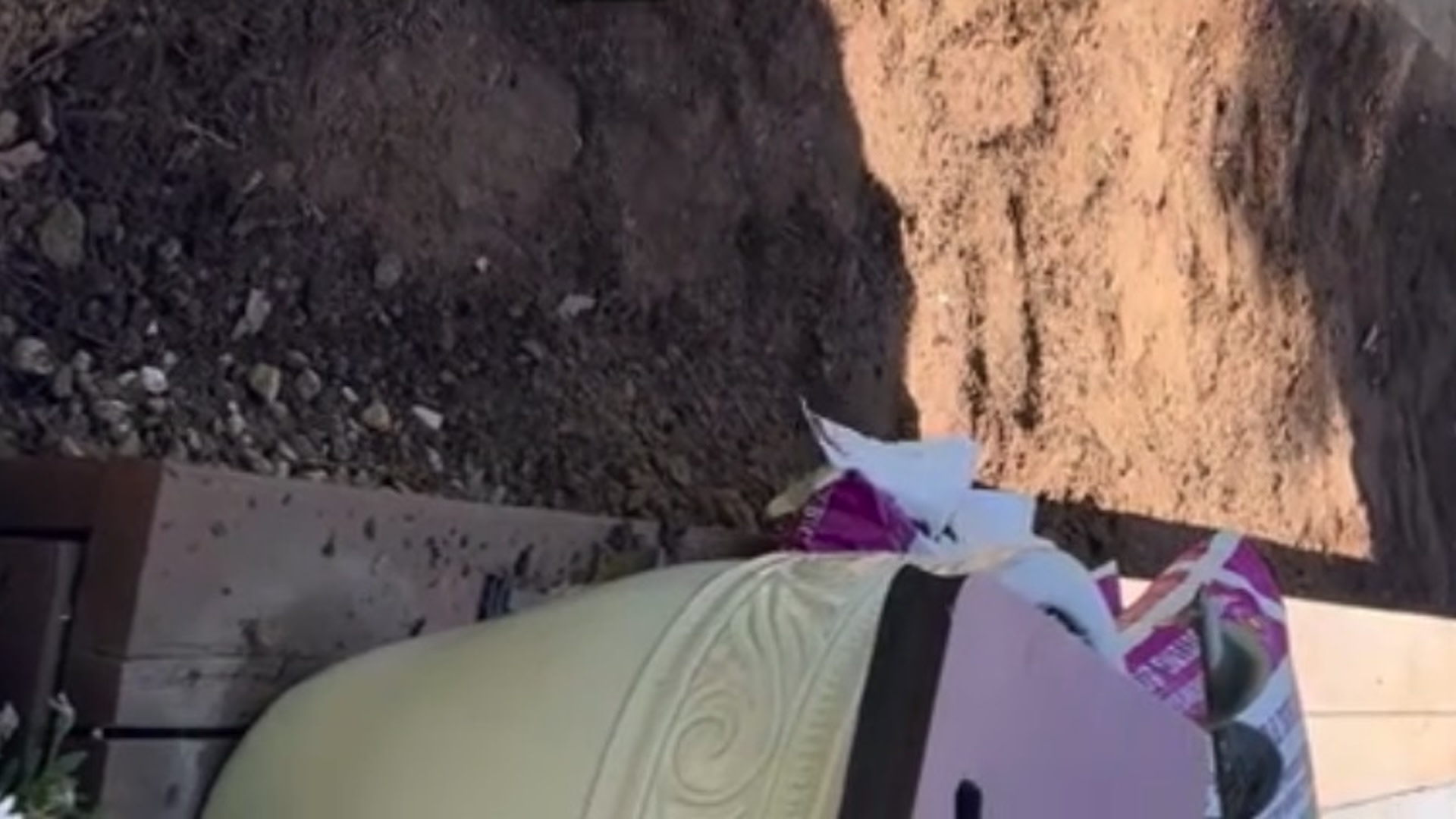
A gardening couple shared a stunning transformation outside of their home, turning an “eyesore” into a lush green space.
On TikTok, Mikaela and Leota (@curlycultivators) shared their desire to spruce up the space near their sidewalk. To do so, the women had to start by rehabilitating the soil, which was “as hard as a brick.”
@curlycultivators Every time we create a new space, we plant with pollinators in mind. @monroviaplants makes it easy to attract and nurture hummingbirds, bees, and butterflies in our backyard. Here are 10 of our favorite pollinator magnets that we included in this space: 🐝 Little Moonshine Yarrow 🦋 De La Mina Verbena 🐝 Chateau® d’Amboise Rose of Sharon 🦋 Poquito™ Butter Yellow Dwarf Agastache 🐝 SunBelievable® Brown Eyed Girl Helianthus 🦋Mysty Salvia 🐝 Goodwin Creek Gray Lavender 🦋 Santa Barbara Mexican Bush Sage 🐝 Apex™ Blue Meadow Sage 🦋 Fiesta™ Paloma Lantana . . . #MonroviaPlants #pollinators #BackyardGarden #UrbanGarden #gardening101 #gardening #garden #beforeandafter #transformation #diy #diyproject #homeimprovement ♬ Soft – The Pianist & D’Michel leb
Next, the creators selected pollinator-friendly plants and designed the garden before planting them.
The couple then added mulch and a drip irrigation system to their new garden. They explained that several of the plants they chose were edible, too, including rosemary, fig, and pomegranate trees.
As the video showed the transformation, one of the homeowners said that the space was now something they, and the pollinators, could enjoy.
Like these gardeners, many people have started switching from non-native and invasive plants to native options. Two Redditors have created wildflower meadows in their respective yard, and they’re far from the first to do so.
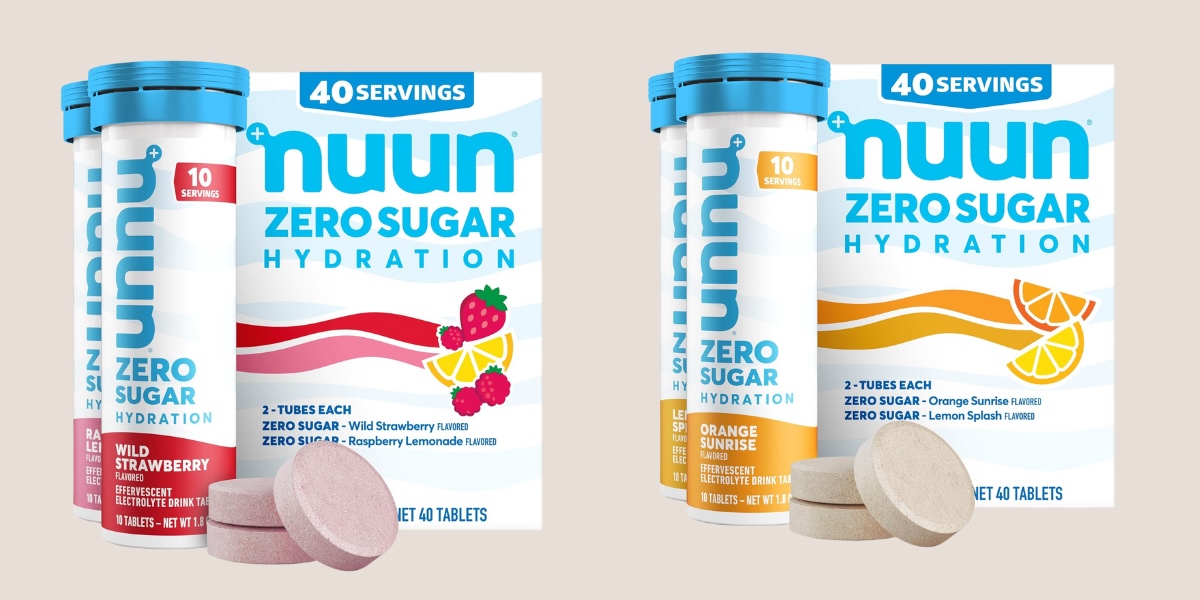
Nuun’s zero-sugar hydration tablets are a perfect, guilt-free way to enhance your water throughout the day. You’ll get five essential electrolytes for everyday hydration — with zero grams of sugar.
Plus, Nuun tablets are certified vegan and gluten-free, and they’re the perfect size to keep in your car, purse, or anywhere you’ll want a healthy, restorative drink.
Plants native to your gardening zone need less maintenance, water, and fertilizer since they are used to local weather, explained the National Wildlife Federation. That means you’ll save time and money on plants that are more likely to thrive.
Additionally, monoculture landscaping — using only one plant type, such as a grass lawn — can cause several issues. Defenders of Wildlife explained that monocultures are more susceptible to pests and diseases, but native plants naturally deter unwanted visitors.
Plus, native plants can also assist with stormwater management, as the Allegheny County Conservation District stated. Many of these plants have deeper root systems, which help stabilize the soil and increase the absorption of rainwater.
Native plants also play a crucial role in supporting wildlife and pollinators, which helps protect our food supply. According to the U.S. Forest Service, these species provide food to butterflies, bees, and other pollinators, who spread the seeds and continue the cycle.
TCD Picks » Upway Spotlight
💡Upway makes it easy to find discounts of up to 60% on premium e-bike brands
Commenters were in awe of the results, sharing many positive opinions.
“Absolutely beautiful,” wrote one.
Another said, “I love the flowers spilling out of the pot that is tipped on its side.”
“What a dream,” commented a third person.
In response, the creators shared, “We’re truly living the dream and are loving sitting on the deck and watching the pollinators whiz by!”
If you’re thinking about upgrading or rewilding your yard, start by identifying your hardiness zone and exploring native alternatives like buffalo grass, clover, and flowers.
Get TCD’s free newsletters for easy tips to save more, waste less, and make smarter choices — and earn up to $5,000 toward clean upgrades in TCD’s exclusive Rewards Club.

Comments are closed.