
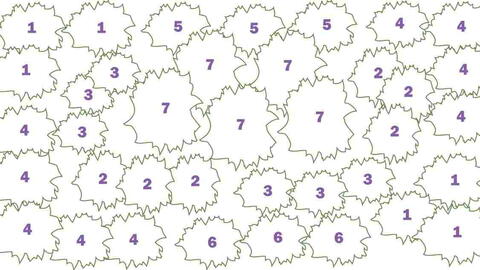
This Perennial Flower Garden Design will provide many years of enjoyment—and because perennials return year after year, there’s no need for annual replanting. This perennial flower garden plan suits a path, driveway border, or backyard. With careful plant selection, and a thoughtfully arranged layout, this garden delivers reliable color, texture, and structure throughout the growing season.
Part of Our Garden Plan Collection
This plan is part of our Garden Plan Collection, a free library of tested garden layouts designed to help gardeners grow with confidence. Each plan focuses on realistic plant choices, clear layouts, and long-term success—especially for beginner and intermediate gardeners.
What’s IncludedA classic perennial flower garden layout, and guidance for repeating the pattern in longer borders.A complete plant list with quantities.A low-maintenance design that bloom for weeks at a time and returns year after year.Suggestions for extending seasonal interest.Quick OverviewFeatureDetailsGarden Type:Perennial Flower GardenDifficulty LevelBeginnerHardiness Zones:3–9Sun Exposure:Full Sun (6+ hours daily)Seasonality:Spring through FallSoil Type:Well-drained garden soil amended with compostWatering Needs:Moderate; regular watering during the first season, then as needed during dry spellsSpecial Features:Long-lived perennials, ornamental grasses, repeatable layout, low maintenanceGarden Size:5 × 10 feet (repeatable for longer borders)Fun FactMany plants in this border!Perennial Flower Garden Layout
This garden plan features perennials that bloom for weeks at a time, while other plants contribute attractive foliage or showy seed heads that extend interest well beyond peak flowering. Together, they create a balanced, classic border that matures gracefully and improves with time. For extra early-season color, spring bulbs such as daffodils or crocuses can be added between perennials.
This garden is designed as a 5-foot by 10-foot rectangular border, ideal for planting along a path, driveway, fence, or backyard edge. The compact size makes it easy to install, while the repeating pattern allows the design to be extended to fit longer spaces.
The layout works best in full sun with well-drained soil. Plants are arranged in drifts for a natural, cohesive look, blending flowering perennials with ornamental grasses for structure and movement.
Perennial Flower Garden Design (5 × 10 feet)
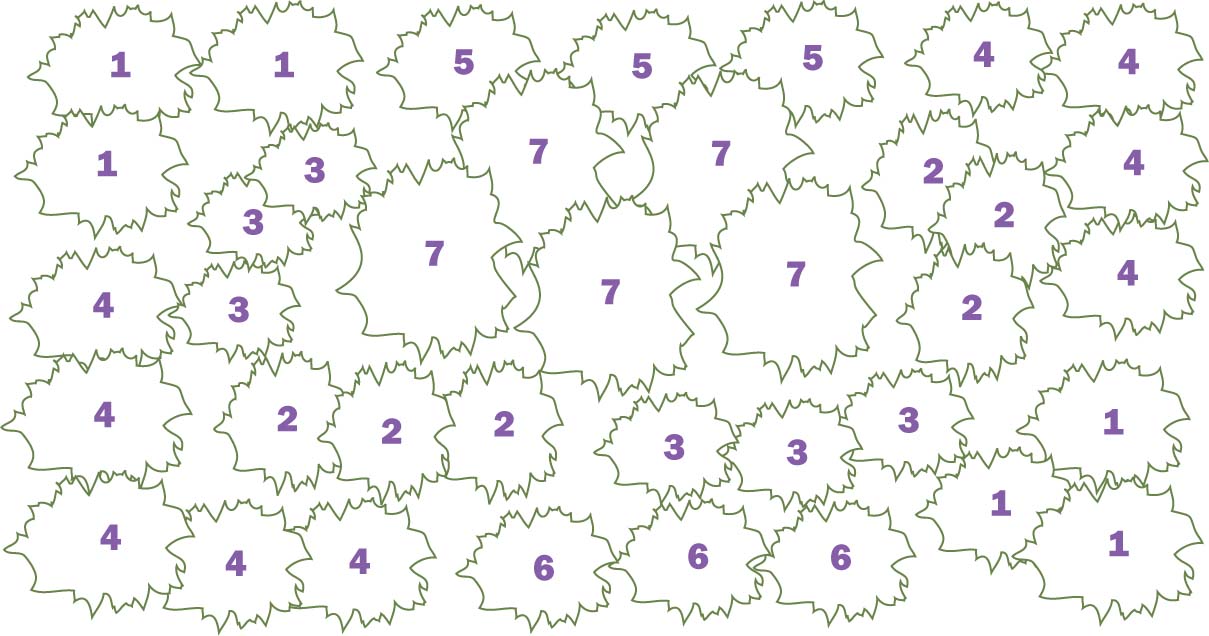
A perennial flower border offers lasting beauty with far less effort than annual plantings.
Key benefits include:
Reliable returns: Plants come back year after year, reducing planting time and cost.Extended interest: Blooms, foliage, and seed heads provide visual appeal from spring through fall.Easy expansion: The layout can be repeated to fill longer borders without redesigning the garden.Low maintenance: Once established, this garden requires only routine watering, occasional feeding, and seasonal cleanup.The Plant List
The following plants make up the entire perennial flower garden design. Quantities are based on a single 5 × 10–foot section, they can be repeated proportionally for longer borders.
RefPlant NameQuantityType1‘Blue Ice’ bluestar6Perennial2Purple coneflower6Perennial3‘Miss Manners’ obedient plant6Perennial4‘Little Bunny’ fountain grass9Ornamental grass5Lady’s mantle3Perennial6‘Zagreb’ coreopsis3Perennial7‘Karl Foerster’ feather reed grass5Ornamental grass‘Blue Ice’ bluestar (perennial): Dense mounds feature starry blue flower clusters in mid- or late spring. Slender, rich-green leaves turn bright yellow in fall. It is about 18 inches tall and grows in Zones 4 to 9. Six plants.Purple coneflower (perennial): Large, daisy-form, purple-pink flowers with prominent centers bloom through the summer atop 3- to 5-foot-tall stems. Also look for cultivars with white, orange, or yellow flowers. It grows in Zones 3 to 9. Six plants.‘Miss Manners’ obedient plant (perennial): Sturdy, upright stems are topped with spikes of bright-white blooms from midsummer to early fall. Obedient plant can be a rampant spreader, but this cultivar is fairly well-behaved. It is 18 to 24 inches tall and grows in Zones 3 to 9. Six plants.‘Little Bunny’ fountain grass (perennial): Dense clumps of spiky foliage feature brushy, silver seed heads from late summer into winter. It is 12 to 18 inches in bloom and grows in Zones 5 to 9. Nine plants.Lady’s mantle (perennial): One-foot-tall mounds of elegantly pleated, velvety, scalloped-edge leaves boast frothy clusters of green-yellow flowers in early to midsummer. It is about 18 inches tall in bloom and grows in Zones 4 to 7. Three plants.‘Zagreb’ coreopsis (perennial): Moderately spreading clumps of slender green leaves bear an abundance of bright-yellow, daisy-like flowers through summer. It is 12 to 18 inches tall in bloom and grows in Zones 4 to 9. Three plants.‘Karl Foerster’ feather reed grass (perennial): Clumps of grassy foliage, 2 to 3 feet tall at maturity, feature 5- to 6-foot-tall stalks topped with plumes that are pinkish-gray in summer and tan in winter. It grows in Zones 5 to 9. Five plants.Tips for Planting and CareArrange plants in their pots along the border before planting to check spacing and flow.Plant at the same depth as in containers and water thoroughly after planting.Mulch with 2–3 inches of organic material to retain moisture and suppress weeds.Leave ornamental grasses and perennial stems standing through winter for structure and wildlife habitat; cut back in early spring.Divide perennials only when needed, typically after several years of growth.Why This Garden Design Works
This design balances flowering perennials with ornamental grasses to create a border that looks good, even when not in peak bloom. By relying on dependable, well-behaved plants and a simple, repeatable layout, the garden remains attractive, manageable, and adaptable to many backyard settings.
Wit & Wisdom
Be patient. Remember that perennial gardens are built slowly. There’s a saying, “The first year a perennial sleeps, the second year it creeps, and the third year it leaps.” A garden that improves with age is worth the wait.
A perennial border is a long-term relationship—plant once, tend lightly, and enjoy it for years to come.
More Garden Plots
If you’re looking to try a different approach, check out these alternative garden plans:
Comments are closed.