
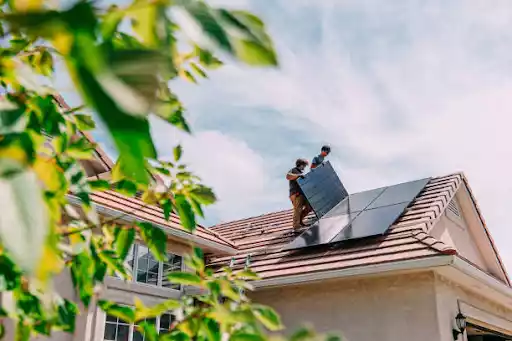
More Indian families are turning to solar rooftops and rain gardens to lower their electricity bills, manage water better, and protect their homes from climate-related problems. These upgrades were once seen as rare or costly. Now, they are showing up in middle-class Indian homes across both cities and small towns.
Solar rooftops and rain gardens offer practical solutions to rising power costs, water shortages, and urban flooding. Cities like Chennai and Kolkata face frequent waterlogging, making rain gardens especially helpful for managing stormwater and reducing flood risks. Meanwhile, in Ahmedabad, the strong summer sun makes rooftop solar panels extra efficient, helping families save more on electricity.
They are not just eco-friendly features; they are smart investments for homeowners who want long-term savings and greater independence from unreliable public systems. This article explores how solar rooftops and rain gardens are becoming an essential part of Indian homes, and what you need to know before adding them to yours.
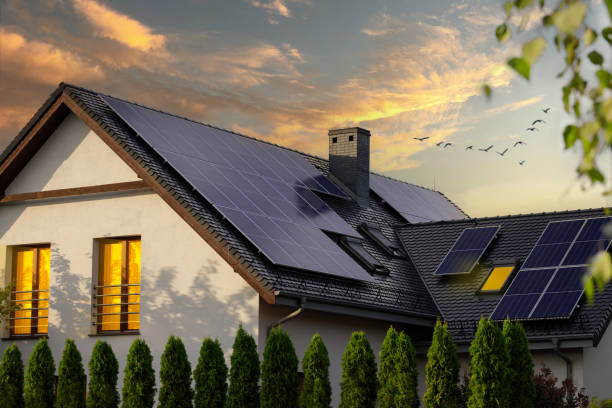
Image Source: iStock
What Exactly Is a Solar Roof?
A solar roof is a setup where solar panels or solar tiles sit on your roof, soaking up sunlight and turning it into electricity. This electricity powers your home appliances, lights, and gadgets. Unlike traditional electricity, which relies on coal or gas plants, solar energy is clean and free once the system is in place.
Different Types of Solar Roofs
Solar panels: These are the most common and consist of flat panels mounted on rooftops.
Solar tiles: Integrated into the roof design, these blend with the roof and look more stylish.
1. Big Savings on Electricity Bills
Electricity costs can take a large part of monthly expenses. With solar roofs, many households experience 50 to 70 per cent lower bills. Sometimes,the excess power produced can even be sold back to the grid, adding to savings.
For example, many households with solar roofs in Delhi are cutting power bills significantly, aided by sunny days and state subsidies. Similarly, apartment complexes in Mumbai use solar power to ease the city’s grid pressure and reduce outages.
2. Government Help Makes It Easier
The Indian government supports solar adoption through schemes like PM Surya Ghar Yojana, which offers subsidies to lower installation costs. Some states provide additional incentives. This financial aid makes solar power affordable for many families.
3. Easy Installation and Maintenance
Solar panels don’t need much upkeep besides occasional cleaning. Local companies now offer quick installation, reducing wait times.
4. More Stylish and Flexible Options
New solar products fit different roof shapes and sizes, and colours that match your home. This makes solar power attractive, not just useful.
5. Environmental Impact
Every solar roof reduces pollution by cutting fossil fuel use. India benefits as air quality improves and carbon emissions drop, supporting global climate goals.

Image Source: iStock
1. Check Roof Suitability
Make sure your roof has enough space, is structurally strong, and gets at least 5–6 hours of direct sunlight daily. South-facing roofs are ideal in most parts of India.
2. Calculate Your Power Needs
Check your monthly electricity usage (in kWh) to decide the right system size. For example, if you use 300 units a month, a 3 kW system should be enough.
3. Choose the Right Type of System
On-grid: Best for urban homes with stable electricity. Excess power goes back to the grid.
Off-grid: Works with batteries. Ideal for rural or power-cut-prone areas.
Hybrid: Combines both. Offers backup plus grid export.
4. Apply for Government Subsidy
Register on the National Rooftop Solar Portal or your state’s DISCOM site. Approved vendors often help with documents, inspections, and approvals under the PM Surya Ghar Yojana.
5. Get Installation and Net Metering Done
Certified installers will:
Fix mounting structures and solar panels
Connect the wiring and install the inverter
Set up a net meter to track your power use and export
Add earthing and lightning protection
After the final inspection, the system connects to the grid and starts generating power.
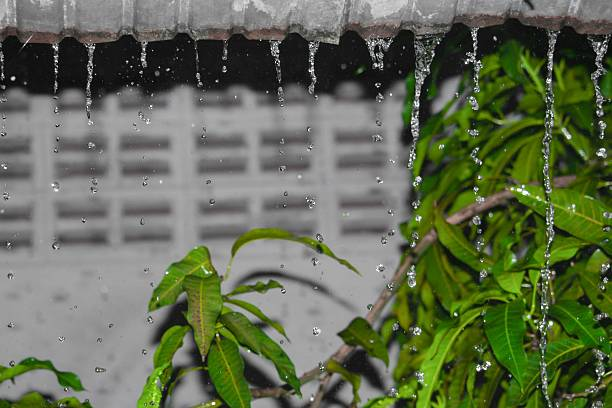
Image Source: iStock
What is a Rain Garden?
A rain garden is a shallow, planted bed that collects and filters rainwater runoff from roofs, driveways, and streets. When rain falls, instead of water rushing into drains and causing floods, a rain garden captures it. The water slowly seeps into the ground, cleaning itself as it passes through soil and plant roots.
How Does a Rain Garden Work?
The garden is built in a low spot where water likes to flow.
Specially chosen native plants with strong roots help the soil soak up water.
Layers of sand, compost, and soil naturally filter out dirt, oil, and other pollution.
When the monsoon brings heavy rain, the rain garden stops water from pooling in the wrong places.
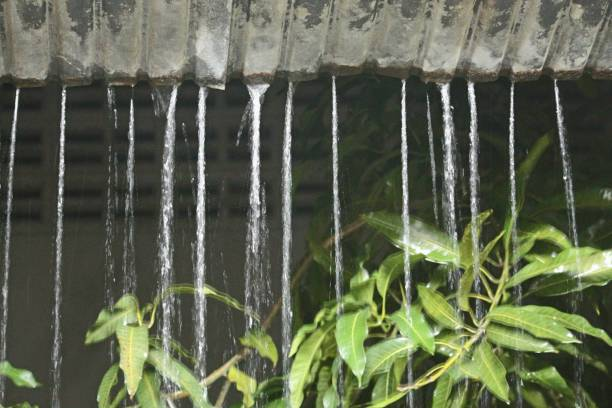
Image Source: iStock
Solves Flooding and Water Wastage
Cities like Mumbai and Chennai often suffer floods after heavy rain. Regular pavements and tiled yards can’t soak up water, so it all rushes into gutters at once. A rain garden catches and holds back much of this water, letting it slowly seep in, reducing flood risk and keeping gardens green.
Helps Recharge Groundwater
More water soaks into the soil and fills up underground water supplies. This is especially helpful in areas facing water shortages or falling water tables. Bangalore’s rainwater harvesting policies encourage many homeowners to install rain gardens to support city water sustainability.
Purifies Water Naturally
Streets and roofs collect dust, oil, and plastic bits. Ordinary rainwater runoff carries these straight to rivers and lakes. In a rain garden, plant roots and soil trap these pollutants, so cleaner water returns to nature.
Attracts Wildlife
Indian cities can feel grey and empty, but a rain garden changes that. Native flowers attract colourful butterflies, friendly bees, and singing birds. This makes the home alive and brings back nature.
Cools Down the Surroundings
Rain gardens hold moisture, lower local temperatures, and add greenery. In the city heat, these gardens make spaces cooler and more comfortable.
Requires Minimal Care
Once the garden is planted and the plants have grown, only light weeding and watering are needed during dry spells. Native species are used because they’re tough and fit the local climate, so there’s less need for chemical sprays or fertilisers.

Image Source: iStock
Step 1: Find the Right Place
Pick a slightly sloped or low spot that collects water after rain. It should be at least three to four metres away from the house to stop water from getting into the foundation.
Step 2: Size and Shape
Rain gardens are usually kidney-shaped or oval. For a normal house, 10–25 square metres works well.
Step 3: Dig and Prepare
Dig 15–30 centimetres deep. Layer the bottom with sand and compost for drainage.
Step 4: Choose Plants
Use native grasses, flowering plants, and shrubs. Good choices for India include Canna (Indian shot), Hibiscus, Vetiver grass, and Indian iris. These survive wet and dry cycles.
Step 5: Mulch and Water
Add a layer of mulch to keep weeds out and protect young plants. Water lightly until plants grow strong roots.
“They attract mosquitoes.”
Mosquitoes only breed where water is still for many days. Rain gardens drain fast, so mosquitoes can’t breed there.
“They’re expensive.”
You can make a small rain garden with simple tools, and native plants are often very cheap or free from local nurseries.
“They need lots of water.”
Once set up, rain gardens use only rainwater and hardly any extra watering.
Adding solar roofs and rain gardens is more than just an eco-friendly choice for Indian homes; it’s also a smart investment. Homes with solar panels stand out in the property market for offering lower energy bills and modern, green features. Buyers and renters often look for properties with built-in power savings, which means you could sell or rent out your home faster, and possibly at a better price.
At the same time, rain gardens increase your home’s outdoor beauty and show that you care for water conservation and the environment. A well-designed rain garden improves curb appeal, making the house more inviting to visitors and potential buyers. In growing Indian cities, green additions like these set homes apart, turning simple houses into future-ready, attractive spaces for years to come.
Benefits of this combination include:
Lower power bills and fewer pollution-causing emissions.
Reduced risk of floods near your home.
A stronger connection with nature right outside your door.
Increased home appeal and future value.
Also Read | Pros And Cons Of Buying A House With Solar Panels
Indian homeowners are choosing solar roofs and rain gardens because these features save money, cut pollution, and handle special challenges like floods and rising energy costs. They turn simple houses into smart, eco-friendly homes. These changes protect families today and nurture the planet for future generations.
There has never been a better time for green living. Solar roofs and rain gardens are practical steps that also bring beauty and comfort. Whether in cities or towns, they offer Indians a way to build a brighter, healthier future.
Comments are closed.