
This is Julie Callahan bringing you information on shore friendly living and gardening from the Master Gardeners and Virginia Cooperative Extension. Last week you heard the first part of our series on “Building Healthy Soil”, today we will continue with part two.
Organic matter can be added as compost, cover crops or mulch. Finished compost, produced when organic matter is broken down by bacteria and fungi, is one of the most valuable landscape resources and is virtually free. Ideally, compost is created by mixing three-parts brown material (carbon) to one-part green material (nitrogen). With an abundance of fallen leaves this time of year, now is an excellent time to start a compost pile. Other sources of carbon are straw, twigs, and other old, dead plants. Fresh, green plant material, manure, and kitchen scraps including vegetable and fruit peelings, coffee grounds, and crushed eggshells provide the nitrogen.
A cover crop, such as rye grass or clover, can be planted in the fall to protect the soil from wind and water erosion and to add organic matter. It can be composted or tilled into the garden in the spring.
Organic mulches added on top will decompose and become part of the soil. Winter mulches, laid down now, serve as insulation to protect plants from severe winter temperatures.

Mulching is an ideal way to gradually improve the soil and provide water-holding capabilities.
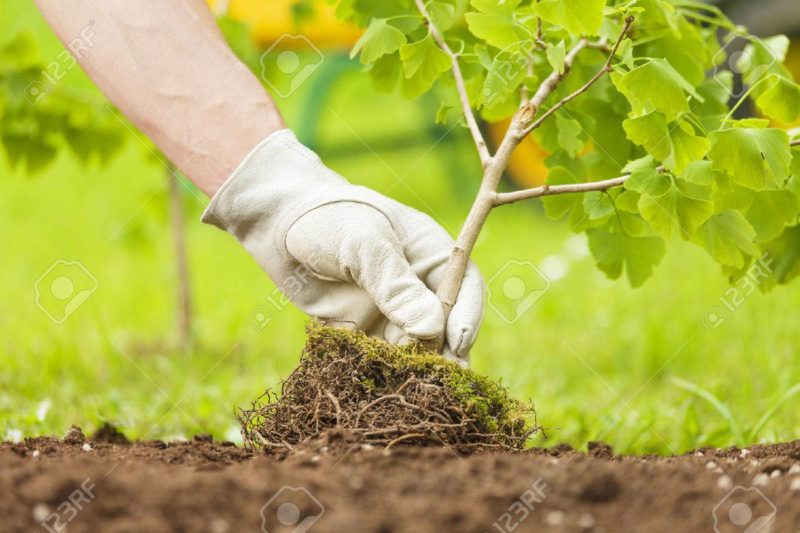
And, of course, the hole has to be dug right. If the plant has a root ball, the hole should be twice its diameter and deep enough so that the top of the root ball is level or a little higher than the soil line. Before planting, fill the hole with water and wait for it to drain through.
Soil amendments are only one of the success factors to creating a healthy growing environment. Studies have shown that plants grown in native soil consistently showed better root establishment and more vigorous growth, so be prudent when adding amendments.
For more information or for answers to your questions, contact your local Accomack or Northampton County Extension Office. Here on the Shore call either 678-7946 or 787-1361.

Comments are closed.