
Grace Elton
| Special to the Telegram & Gazette USA TODAY NETWORK
I like to share my love of horticulture year-round, and gift giving during the holidays gives me an opportunity to introduce my friends and family to new plants. For people who already have too much “stuff,” plants can feel like a fresh, meaningful gift. That said, I do sometimes sense a bit of terror behind the smiles I receive in thanks — no one wants to be the one who kills the plant. Luckily, knowledge is power and keeping those festive holiday plants alive through the season and beyond can be easier than you think.
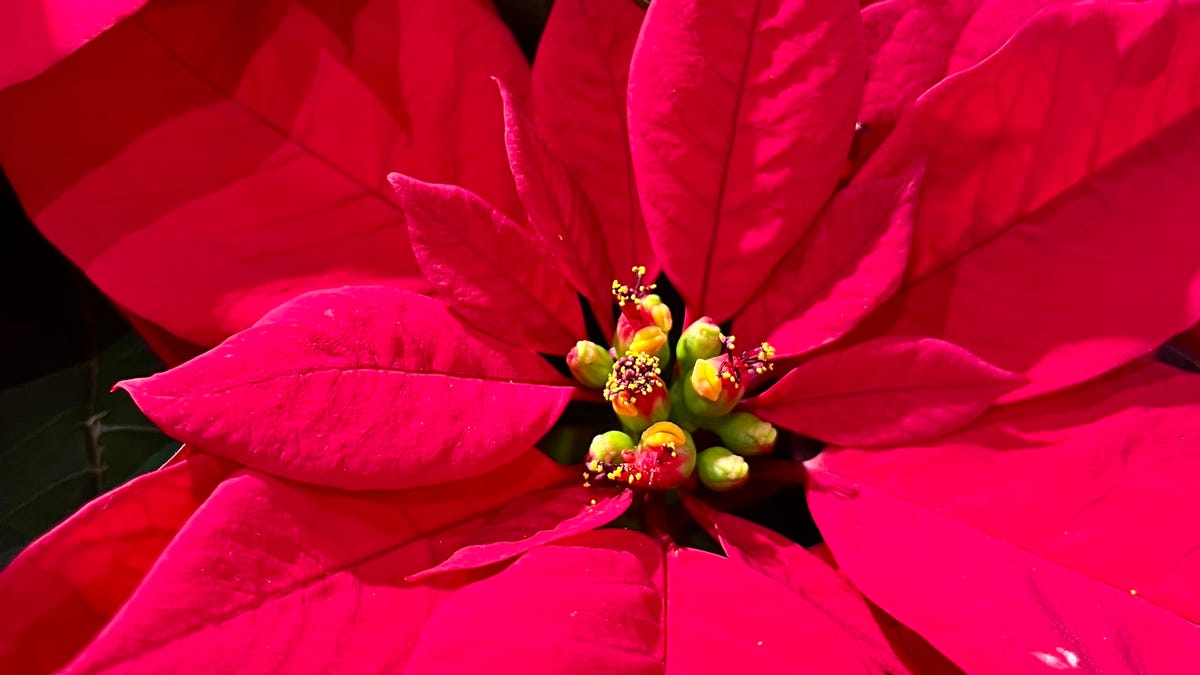
Many classic holiday plants originate in the tropics. Poinsettias (Euphorbia pulcherrima), for example, hail from Mexico and spend much of the year in a green vegetative state. As night starts to lengthen after the autumn equinox, poinsettias develop colorful bracts, or modified leaves, in shades of red, white, or pink, before coming into full color around Christmas. The fertile flowers of poinsettias are yellow and not very showy; it’s the bracts that give them their festive look.
When I was in college, I took a greenhouse management course where I learned the techniques commercial growers use to manipulate conditions that inspire bracts to form. I also learned that most commercially grown poinsettias require growth regulators to maintain the bushy state we associate them with. In the wild, poinsettias can reach a lanky 10-15 feet tall. This is important to keep in mind if you are trying to get your plant to reflower next year. At home, pruning back lanky limbs in summer, a practice called pinching, will help control the size and make the plant bushier.
Another plant traditionally associated with the holidays is the Christmas cactus (Schlumbergera bridgesii). At home, I have white and pink flowered plants, both passed down from my grandmother. Though the Christmas cactus is a true cactus, it comes from tropical rainforests, so it requires different care than its desert relatives. They are a bit like Goldilocks about watering, not wanting to get too dry or be too wet. A good rule of thumb is that once the top inch of the soil is dry to the touch, it is time to water. These plants can take cooler temperatures at night and will start to form flowers with about 13 hours of darkness. With our New England winters, Christmas cactus reblooms easily without much intervention.
Another easy holiday plant is amaryllis (Hippeastrum spp.). This showy bloomer from South Africa boasts over 600 named varieties. Its fist-sized bulb produces giant trumpet-shaped flowers in a wide variety of shapes, sizes, and colors. Amaryllis can often be found as a bare bulb, potted, or waxed. I prefer to buy mine as bare bulbs from specialty growers to get some of the more interesting varieties, but even the common red, white and pink that you can find at many stores this time of year are welcome at my holiday table.
When potting amaryllis, leave part of the bulb exposed above the soil. Amaryllis do not like to be in soggy soil, so water sparingly until shoots and buds emerge. After the blooms fade, cut the flower stalks, but keep the leaves intact so they can store energy for next year’s bloom. When warm weather returns, I usually put my amaryllis outside in a part-sun spot in my garden. In late summer, I stop watering them and allow the leaves to die back. Then I put the pot in my basement for a couple of months. After allowing the plant this period of dormancy, I move it to a warm and sunny location inside, watering it again and watching the new shoots emerge. I like to have a few different plants and stagger when I “wake them up.” This way I can enjoy blooms longer.
Holiday plants offer a welcome dose of living color during the darkest time of year. They connect us to different parts of the world and remind us that nature thrives in astonishing forms. Most of all, they allow us to share something meaningful and alive with the people we care about. With a little guidance, even hesitant plant recipients can discover the joy of nurturing a holiday plant long after the decorations are packed away.
Gardening Central Mass. offers ecologically focused tips and helpful stories for home gardeners from New England Botanic Garden at Tower Hill CEO Grace Elton and Director of Horticulture Steven Conaway. Located in Boylston, New England Botanic Garden creates experiences with plants that inspire people and improve the world. Learn more at nebg.org. The column is published on the third Sunday of the month.
Comments are closed.