
Identifying certain plants in the garden can be challenging, especially for new gardeners. However, if you’re searching for your dream home or have started work on creating that dream garden, there are some plants that should be avoided completely. From cracked brickwork and fences to damaged drains, certain plants can cause serious problems when they are found in gardens, according to Kevin Barzegar, a property expert at Kaybridge Residential.
The expert said: “I’ve seen properties lose thousands in value because of problematic plants. What starts as an innocent garden feature can turn into a nightmare that’s expensive to fix and puts off potential buyers.” These are the plants to avoid growing in your garden:
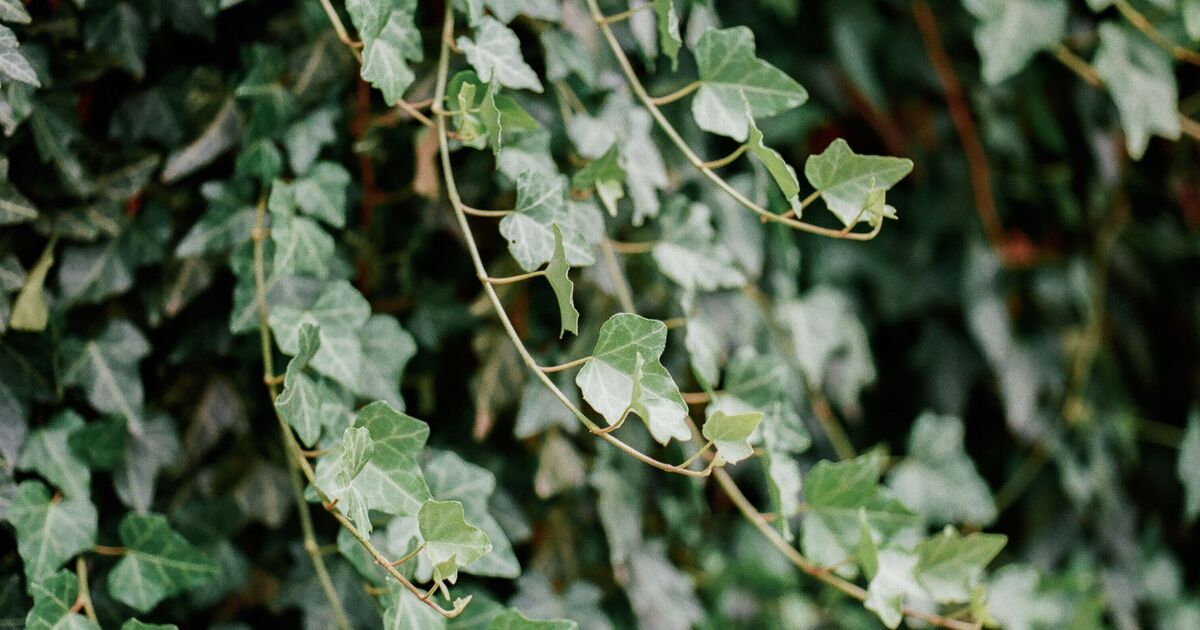
English ivy
English Ivy might look charming, but according to Kevin, it is “one of the worst offenders”.
He explained: “Those roots get into the smallest cracks and expand as they grow, causing serious damage to brickwork.”
Removing it can be a big job, but it is better done sooner rather than later if you spot it. Instead of this aggressive plant, opt for flowering climbers, such as roses or clematis.
Bamboo
Bamboo is a popular choice for many as it creates privacy screens. However, it has one of the most “aggressive” root systems. These systems spread horizontally underground quickly.
The property expert said: “I’ve seen bamboo roots travel several meters from where they were planted.
“They push through paving, damage structures, and can crack foundations.”
Once established, they are difficult to control, as the roots regrow from tiny fragments. Therefore, it is best to address this issue as soon as possible.
Japanese knotweed
This invasive plant is every homeowner’s nightmare, with mortgage lenders often treating properties with knotweed as high risk.
Kevin noted: “Japanese knotweed can make your property virtually unsellable. I’ve seen sales collapse and homes drop in value significantly because of it.”
Under the UK’s Wildlife and Countryside Act 1982, it’s an offence to cause knotweed to spread into the wild, and if it encroaches onto a neighbour’s property, you could face civil claims and costly removal.
Professional treatment can take years, with its removal costing between £900 and £20,000, according to the expert.
Comments are closed.