
Key Points
Moving herbs indoors can save you money and help you grow larger herb plants.The best herbs for overwintering are slow-to-grow herbs that aren’t winter hardy like bay.It’s often easier to regrow basil and cilantro from seed.
While some hardy herbs can survive winters without protection from the cold, tender herbs often need a little extra care to help them last until spring. But should you overwinter your favorite herbs like basil leaves and cilantro bunches, or is it more trouble than it’s worth?
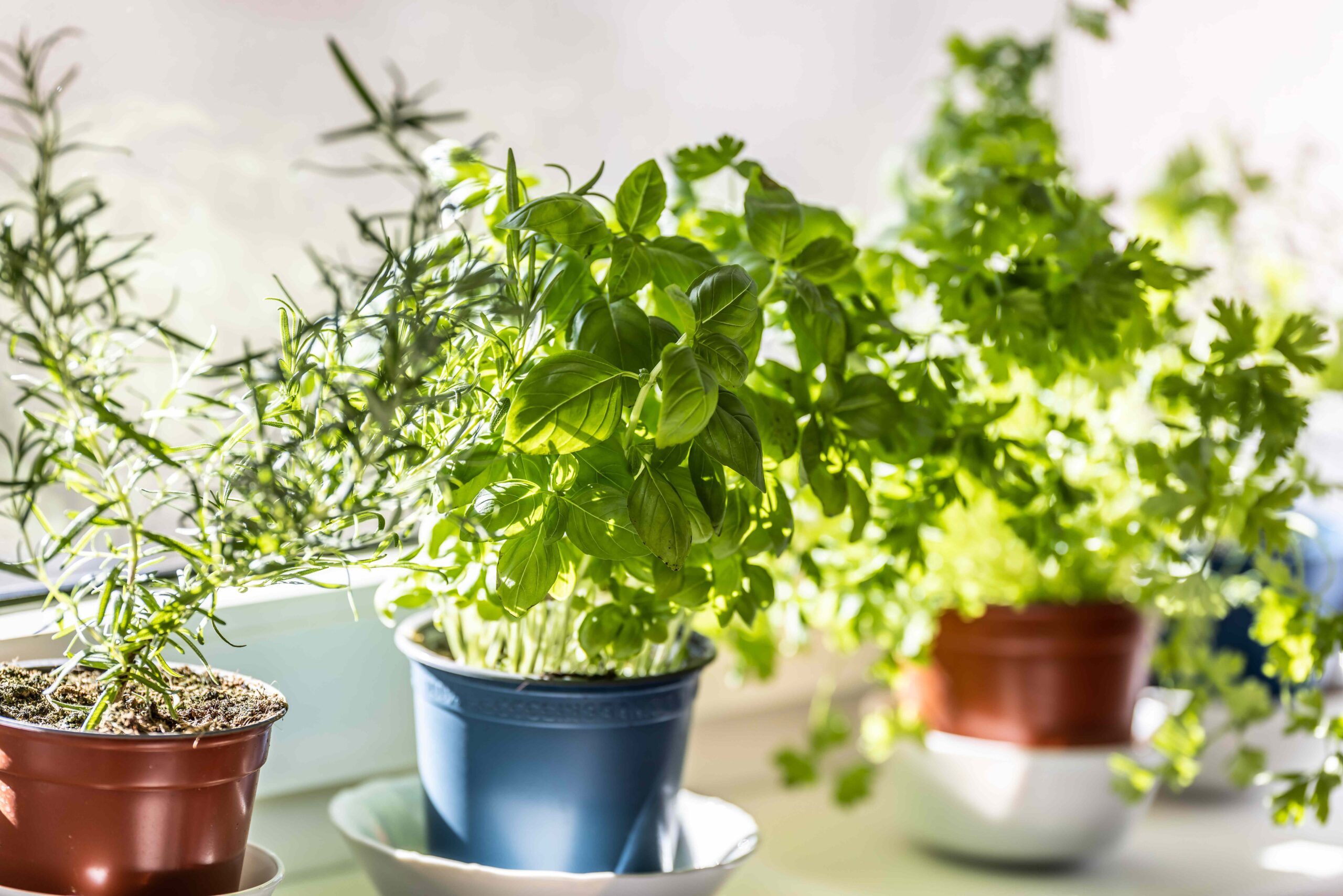
In this guide, gardening pros share their tips on keeping herbs alive through winter and when overwintering an herb as an indoor houseplant is worth it.
Meet the Expert
Jeanine Davis is an extension specialist and horticulture researcher in the Department of Horticultural Science at North Carolina State University.
Aaron Steil is the consumer horticulture extension specialist at Iowa State University.
Is It Worth It to Overwinter Herbs?
Credit:
YinYang / Getty Images
Whether you overwinter herbs or not depends on which herbs you like to grow and eat, your gardening zone, and the effort you want to put in. Some cold-hardy herbs, like thyme, should regrow each season as long as you leave them in the garden—but this isn’t true of every plant.
“Some herbs are not reliably winter hardy in northern areas, and the only way to get a plant of any size is to bring them indoors,” explains Aaron Steil, consumer horticulture extension specialist at Iowa State University.
This includes plants like rosemary and bay. But as Steil explains, it’s often easier just to replace your favorite herb varieties in spring—even if they can technically be grown indoors.
“Herbs that many people have the most success with include basil and cilantro, which can be dug up from outside and brought indoors,” he says. “However, these plants are both easy to grow from seed, and most people would have better luck—and a more attractive plant—by starting new plants from seed in spring.”
Want more gardening tips? Sign up for our free gardening newsletter for our best growing tips, troubleshooting hacks, and more!
When to Overwinter Herbs
Credit:
Andrei Lavrinov / Getty Images
While fast-growing herbs that are easy to grow from seed may not be worth overwintering, bringing slow-to-grow herbs that aren’t cold-hardy indoors can save you money and help you grow larger plants. This includes bay, rosemary, marjoram, and lemongrass.
However, there are other reasons why you might want to keep herbs alive through winter.
“Some gardeners become so attached to certain plants—like a favorite rosemary or lavender—that they’ll go to great extremes to protect them in winter,” says horticulture researcher Jeanine Davis of North Carolina State University.
Overwintering might involve bringing plants indoors, installing cloches, or building a cold frame or grow tunnel. But as Davis notes, other growers prefer to take a more casual approach to their herb garden.
“They might add a little extra mulch around the base of their plants,” Davis says. “But if the plants don’t make it through the winter, spring herb sales are always great fun and a good place to pick up new herbs.”
The method you choose is ultimately up to you, but Davis offers one final piece of advice if you have a favorite plant you definitely want to keep around.
“Take a few cuttings from the plant in fall, and grow them inside for the winter,” she suggests. “If the weather is particularly harsh and your winter protection was not adequate to protect the plant, you’ll still have new young plants to set out in spring.” (Backup herbs for the win!)
When to Give Up on Herbs and Just Get New Ones
If you act fast and bring tender plants indoors early in the season, you can successfully overwinter most varieties of herbs. But if your plants have been damaged by pests, frost, or an early freeze, and their leaves have turned slimy, yellow, or have wilted down to the ground, they might not be salvageable.
Fast-growing annual herbs, like cilantro and dill, will also not survive long after the growing season is through, so go ahead and surrender them to your compost pile and start new plants from seed in spring.
6 of the Most Cold-Hardy Herbs
Credit:
Getty Images / Altinosmanaj
For growers who prefer a more hands-off approach to gardening, there are plenty of tough-as-nails perennial herbs that don’t require any winterization. If you don’t want to bother with cold protection or moving plants indoors, try growing these herbs instead.
Oregano: Hardy to zone 4, oregano can be overwintered outdoors and you can often harvest its leaves in mid-winter—even when the plant is buried under snow.Thyme: Also hardy to zone 4, thyme has woody stems and sturdy leaves which easily resist most cold damage.Mint: Although mint is notorious for its rapid growth rate, it’s also cold tolerant and can be overwintered outside in zones 3 and up.Sage: Most sage plants are hardy to zone 4 and are incredibly resilient in cold weather. They can survive even when temperatures drop to a chilly -30°F.Chives: Chives are even more cold tolerant than sage plants and can grow perennially in zones 3 and up.
Comments are closed.