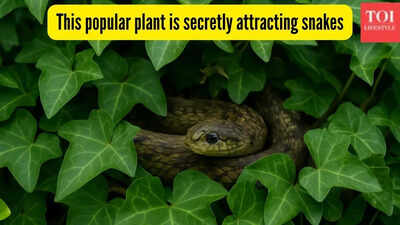
 People who enjoy gardening must be well aware of this particularly popular climbing plant which is believed to attract goodluck. But do you know, this particular plant is also quietly drawing snakes (reptiles) to your garden. The plant in question is none other than the ornamental vine English ivy (Hedera helix). Now it is important to understand why English ivy attracts snakes, especially. The plant grows vigorously, hanging over walls and climbing up fences. It kind of creates dense mats which acts as a perfect hideout for these reptiles.Now, let’s delve more into this:Why English Ivy is snake
 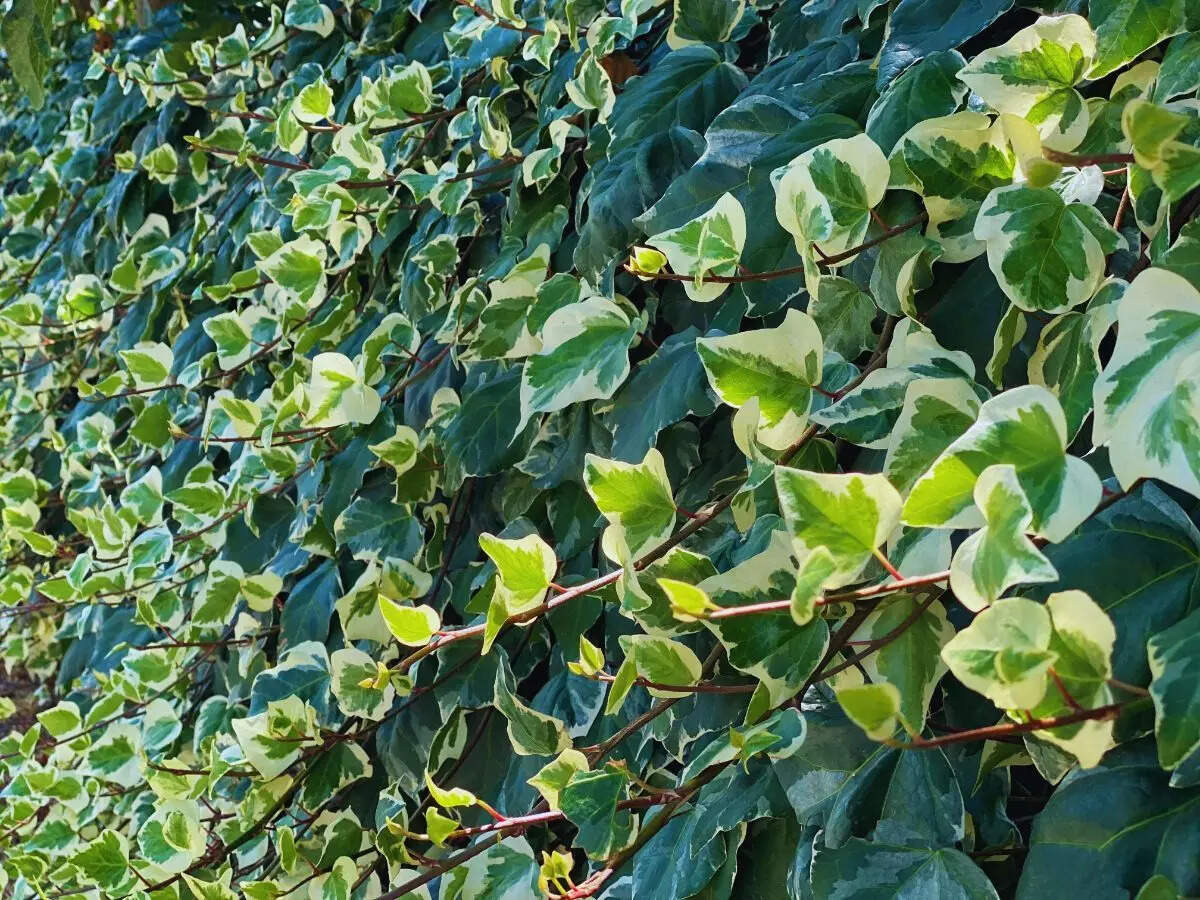 Snakes are silent and they like any place which is cautious and secretive. Such dark spaces became their hideouts, someplace they feel is safe for these creatures. They take cover under the shadow of these Ivy plants to stay safe from predators or also to sneak up on prey. The dense foliage and overlapping vines of the plant offer an ideal low-profile hideout. But it is not only about safe places or providing shelter. It also creates perfect conditions for snakes’ preferred prey like rodents and rats. These mammals often rest under the ivy or hiding under its roots. Also, if there are rodents especially, then snakes are likely to get inside attractive. Next, the dark, little moist, and cool environment is exactly the kind of home snakes love! Hidden well from human eyes. A risky to the house structureGrowing English ivy might be easy talking from the gardening perspective; however it has its own risk. Beyond attracting snakes, the plant can also pose some serious structural risks. The same qualities that make ivy such an effective hiding spot — its fast growth and creeping vines, roots — can be damaging as it draws moisture into walls. The roots and tendrils can get under siding or into mortar joints between bricks. So not only ivy is a snake magnet, it can also compromise the integrity of your house. What to do if you already have English IvyIf your garden already has English ivy, the most effective and the only way to reduce snake and structural risks is to get rid of the plant completely. Because the plant spreads fast, only complete removal is recommended. However, it is not that easy. You may need to repeat removal efforts many times. If getting rid of it entirely isn’t appealing (for instance, if you like its aesthetic), there are other steps too. One is trimming it so that the vines are at least two feet off the ground. It can rule out the chances of low-level hiding spots that snakes love. Next, you can keep the region clean by regularly removing dead leaves and debris. This ensures good air circulation and sunlight. Choose better alternatives/snake repellent plantsInstead, you can redesign your garden and opt for plants which are less likely to attract snakes and rodents. Some plants such as herbs, flowering perennials, and shrubs which have thorny foliage, are avoided by snakes and rodents and other creatures. Some plants with their sharp and prickly leaves also help you keep your garden green and safe from unwanted guests.You can also choose plants like marigold, garlic and rosemary or any other aromatic herbs as these are often cited as better alternatives. The strong smell, structure, or dense growth can discourage these creatures from coming close to your garden. While greenery can make a home look beautiful, it is important to understand that not all plants that look green are also safe. A climbing vine like English ivy can turn a garden into a snake-friendly zone along with posing structural risks.But still if you wish to have an ivy home garden, stay alert all the time and keep the area clean and maintain vegetation so that snakes or rodents cannot hide. And if you’re planting new vegetation close to your house — especially near walls, windows, and doors — think again as a green garden doesn’t have to come with uninvited and unfriendly guests that are potentially dangerous.


Comments are closed.