

From onions to coriander, there are a number of kitchen garden essentials that can be sown in December if you want to get the best possible results next year. Here’s how to do it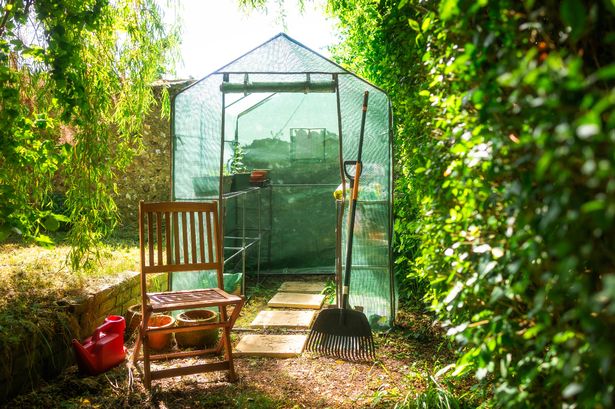 A greenhouse is a real asset at this time of year – if only as a hideaway!(Image: coldsnowstorm via Getty Images)
Now we’ve rolled into December, many people will be easing off the throttle as they look forward to a chilled festive break. But for keen gardeners, there’s very little rest – and there are several kitchen garden must-haves you’ll want to get in the ground this month if you’re after cracking results come next year.
As gardening guru Benedict Vanheems reminds us: “The days will soon be getting longer and it’s only a few short months before the bulk of sowing begins in earnest.”
Particularly noteworthy, reckons Vanheems, is the age-old tradition of getting onions planted on Boxing Day if you fancy your chances at nabbing prizes for whopping great vegetables at next year’s local horticultural show.
There’s also a bunch of other kitchen must-haves that’ll flourish brilliantly if you get them sorted in the next few weeks. Benedict breaks it down on his GrowVeg YouTube channel, revealing exactly which seeds need sowing now for top-notch harvests.
Coriander There’s nothing like adding fresh home-grown herbs to your recipes(Image: Getty)
Coriander, or Cilantro as our American friends like to call it, is a cracking all-rounder that works a treat in everything from basic broths and bangers to spicy Mexican feasts. Just mind you don’t serve it to anyone in that unlucky 10% of Europeans who reckon the stuff tastes like washing-up liquid!
One hurdle when cultivating coriander is that during hotter spells, it tends to be susceptible to “bolting,” or early flowering: “That’s absolutely fine if you want the seed pods to harvest the seeds to grind into coriander powder,” Benedict explains, “but if you’re after the juicy, aromatic leaves, autumn or winter is a great time to grow coriander.”
By wrapping your coriander seeds in a tiny bundle of cotton or muslin fabric, you can pre-sprout them by immersing them in water overnight to test them, then continuing with a brief dip twice daily.
After about a week, they ought to be ready for planting. Distribute them very gently into a tray of compost, being careful not to bruise their fragile roots.
Letting them begin life in a cold frame, or perhaps on a sunny windowsill, should provide your coriander plants with an excellent foundation.
Within approximately six to eight weeks, the foliage should be prepared for harvesting and, provided you’re cautious not to harm the growth tip, you might even be fortunate enough to secure a second crop.
Benedict offers one additional suggestion for gardeners: “Cilantro, or coriander seed, can be a little bit expensive so it’s worth letting a few plants bolt in the summer so you can harvest your own seed and save yourself a few pennies too.”
Onions Planting on Boxing Day should guarantee really big onions next year(Image: Getty)
“Now is the perfect time to sow onions from seed,” says Benedict, “particularly if you’re aiming for those massive, football-sized champion onions.
Traditionally, the day after Christmas is when you’d plant your seeds for these whoppers. Start off with a well-sifted all-purpose potting mix. If you’re looking to grow monster onions that’ll make other gardeners green with envy, go for varieties like Exhibition or Showmaster. As their names imply, they’re bred for their impressive size.
Benedict also recommends not rushing to plant your onions outdoors: “To get these germinated I’m going bring them indoors into the warmth of the house and then they will come back out here once they’re up. Then, as light levels improve within about a month or so, growth should really start to pick up.”
If you’re feeling particularly competitive, he suggests giving your onions an extra boost by placing them under grow lights for the first month or so.
Basil Just rubbing the leaves of a basil plant will give you a feeling of summer(Image: Getty)
Basil, an essential herb in many Italian recipes, is another easy-to-grow plant. It’s especially rewarding for those who don’t have a large garden or allotment and need to find plants that thrive indoors.”
Basil is a great one to grow on a window sill or under grow lights,” says Benedict, adding that the plant’s vibrant green leaves and aromatic scent are the perfect remedy for dreary winter days.
He recommends the classic sweet basil, often labelled as Genovese basil: “I’ve chosen that because it’s very versatile, very reliable and the seeds are generally very cheap so I can make multiple sowings throughout the winter without breaking the bank.” Again, use well-sifted all-purpose compost, ideally in four-inch pots.
Sprinkle the seeds fairly thinly, and cover with just a tiny amount of additional compost. To avoid disrupting his careful arrangement of seeds and growing medium, Benedict employs a spray bottle for watering duties. Once they’re thoroughly watered, he advises covering them to lock in that precious moisture.
“To help them germinate,” he says, “on goes a bit of clear plastic. What this will do is create a lovely humid environment in there that will just help them to germinate and grow.”
As always, during this time of the year, a grow light will help things move along.
Venturing into your outdoor space might be precisely what’s needed to counteract those lengthy festive afternoons glued to the box in a stuffy living room. And if you’re lucky enough to have a greenhouse, it’s the perfect sanctuary when house guests begin testing your patience!
 A greenhouse is a real asset at this time of year – if only as a hideaway!(Image: Getty)
Comments are closed.