
Cool Garden Designs for 2025 — Shade, Water & Native Plants
Get ready for 2025 with landscape design ideas that prioritize cool, plant‑filled outdoor spaces, sustainability and low maintenance.
Sustainable Garden Design 2026.
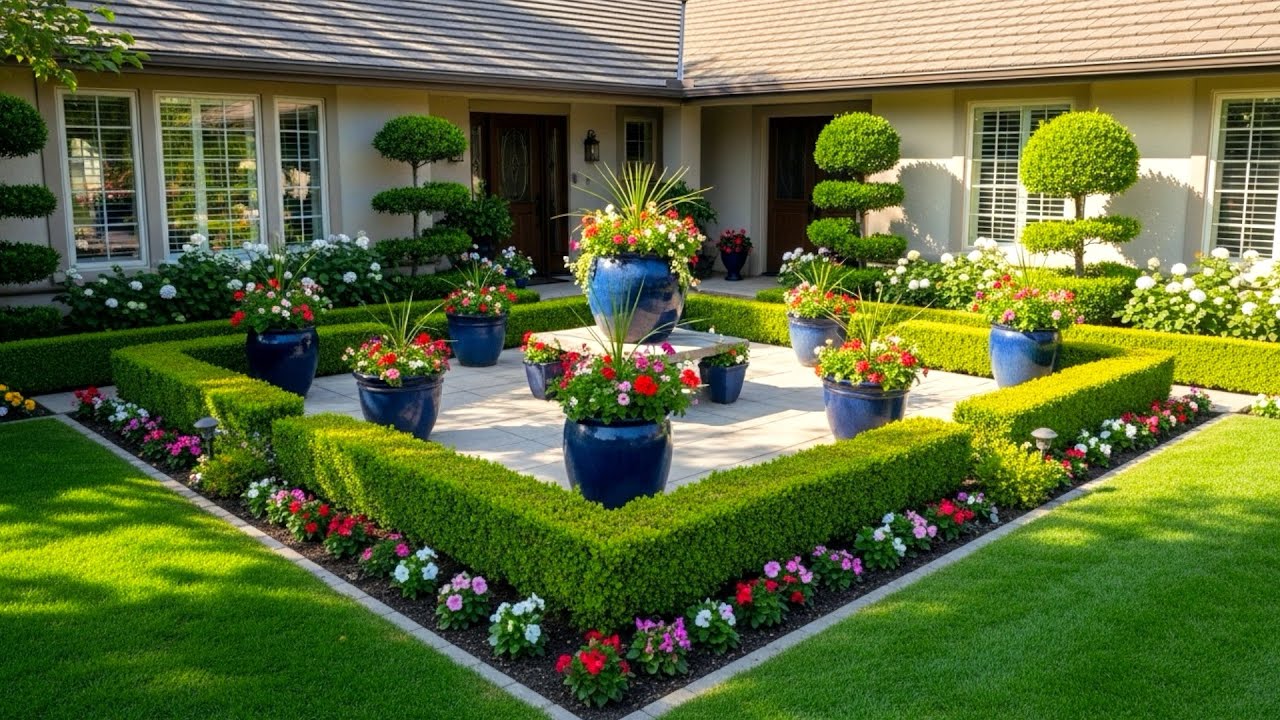
Welcome to Concept with Justin. [Music] [Music] Heat. Heat. [Music] [Music] In the world of garden design, we often feel pulled between two powerful ideals. On one hand, there is the timeless appeal of the formal garden, the clean lines, the calming symmetry, the profound elegance of a structured green space. On the other, there is the undeniable joy of the cottage garden, the ride of color, the romantic abundance, the free-spirited beauty of flowers spilling from every corner. But what if you could have both? What if you could create a space that is both a serene architectural sanctuary and a vibrant, joyful explosion of life? Today we are stepping into the magnificent world of structured abundance, a design philosophy that marries the best of both worlds. We will journey through these stunning courtyard gardens, deconstructing the secrets that will allow you to create a landscape that is the perfect, breathtaking fusion of order and passion. [Music] [Music] Heat. Heat. [Music] The entire foundation of this sophisticated style rests upon one key element, the hero of our story, the clipped evergreen hedge. In almost every one of these images, we see low, immaculately manicured boxwood hedges used to create the bones of the landscape. This is the garden’s living architecture. Look at this first scene. The hedges are not a simple border. They are the walls of a series of outdoor rooms. They create a strong geometric framework of squares and rectangles, a parter garden for the modern age. This act of creating a crisp green structural frame is the single most important decision in the entire design. It is a declaration of intent. It brings a sense of order, discipline, and profound calm to the space, creating a stable, reliable canvas that will look beautiful all year long. [Music] Heat. Heat. [Music] Hey. [Music] This living architecture does more than just look beautiful. It has a powerful psychological effect. The clean lines and predictable geometry are deeply soothing to the human eye. In a world of chaos, this garden is a sanctuary of order. The hedges define the space with absolute clarity. They guide your movement, directing you along the clean pa pathways. They create a sense of enclosure, making the central patio areas feel like intimate private rooms sheltered from the wider world. Even a low hedge as we see here creates a powerful psychological boundary, a gentle parapipet that separates the zone of human relaxation from the surrounding lawn. This structure is the whisper of formality, the foundation of elegance upon which all the garden’s joy is built. [Music] [Music] Now if the hedge is the disciplined architectural frame then the flowers are the passionate exuberant art within it. This is the central brilliant contrast that gives this style its soul. Look at how the planting beds neatly contained within their boxwood frames are overflowing with a riot of color. This is the cottage garden distilled and curated. It is a joyful almost chaotic mix of oranges, pinks, purples, and whites. The true genius here is how the extreme formality of the hedge makes the informal, free flowing nature of the flowers seem even more beautiful and alive. The rigid structure enhances the wildness. The discipline of the frame amplifies the freedom of the art. It is a perfect symbiotic relationship, a dialogue between control and abandon, creating a garden that is simultaneously elegant and bursting with life. [Music] [Music] Heat. [Music] Heat. [Music] [Music] Let’s look closer at the planting style within these frames. It is a style of abundance and density. These are not timid gardens with a few lonely flowers dotted about. The beds are packed full creating a continuous multi-layered tapestry of color and texture. This mass planting is what creates the high impact luxurious feel. It reads from a distance as a solid block of color, a living mosaic. The plants are allowed to mingle and spill over, softening the sharp edges of the hedge and creating a feeling of generosity and overflowing life. This is the secret to making a formal garden feel welcoming and not sterile. You must fill its structured bones with a soft, passionate, and abundant heart. [Music] [Music] [Music] But the layering of this design doesn’t stop with the ingground beds. A third crucial character enters the stage, the container. In every single one of these landscapes, large magnificent pots and urns are used as powerful focal points and architectural elements. They are the sculptures of the garden. Look at the massive dark glazed urns in the center of the first image. They are not accessories, they are anchors. They break the horizontal plane of the low hedges, drawing the eye upward and adding a vital third dimension to the composition. These containers allow the gardener to create bouquets on demand, concentrating an incredible amount of color and drama into a single movable point. They are the jewels in the crown of the garden’s design. [Music] Heat. Heat. [Music] Hey. [Music] [Music] The scale of these containers is a lesson in confidence. These are not small apologetic pots. They are large, substantial, and make a statement. This scale is what gives them their architectural presence. By choosing large pots, you can create a much more complex and mature-looking arrangement. Within each one, we can see a masterclass in composition. There is often a tall dramatic thriller plant like a spiky grass or a tall lily that provides the vertical excitement. This is surrounded by a lush filler of mounding flowers like patunias or geraniums which make the pot feel full and often a spiller like a verbena or sweet potato vine would be used to cascade over the edge softening the pot’s rim and connecting it to the plantings below. Each container is a complete garden in miniature, a concentrated explosion of the garden’s overall structured abundance philosophy. [Music] Heat. Heat. [Music] The pots also serve a brilliant strategic purpose in defining the space. In several of these images, large pots are placed at the corners of the patios or at the entrances to pathways, acting as living pillars or sentinels. They mark transitions and reinforce the geometry of the layout. In the Mediterranean style courtyard, the row of identical black pots creates a powerful rhythm, guiding the eye and adding to the formal symmetrical feel of the space. They allow the gardener to place a burst of life and color precisely where it is needed most, on the hard, unplantable surface of the patio itself. They are the essential tool for bridging the gap between the garden beds and the living area, bringing the vibrant life of the garden right up to your doorstep. Hey. [Music] [Applause] [Music] Heat. Heat. [Music] [Music] Heat. [Music] Heat. [Music] Let’s Let’s pull our focus upward and consider the vertical dimension. A garden that is entirely low to the ground can feel flat. A truly great garden has layers of height that create a sense of scale and enclosure. In these designs, the verticality is provided by the carefully chosen and often sculpted trees. Look at the magnificent pleach trees in the third image. They have been trained and pruned into hedges on stilts creating a second story wall of green that provides privacy and a profound sense of architectural structure. This is a technique borrowed from the grand formal gardens of Europe and it brings an incredible sense of sophistication and drama to a suburban backyard. These trees are not just plants, they are living architecture. [Music] [Music] In other examples, we see different approaches to height. There are elegant multi- stem trees that provide a light airy canopy, dappling the sunlight onto the patio below. We see spiral cut topiaries that act as sculptural green exclamation points. And we see standard trees, plants trained into a ball on a stick shape, which add a formal lollipop-like rhythm to the design. These taller elements are crucial. They balance the low horizontal lines of the hedges. They create a sense of a ceiling for the outdoor room, making it feel more intimate and protected, and they provide a connection to the sky, ensuring the garden feels grand and expansive, not just confined to the ground plane. The interplay between the low hedges, the mid- height flowers and pots, and the tall trees is what creates a truly complete and three-dimensional composition. [Music] Heat. [Music] Heat. [Music] Hey. [Music] Hey. Hey. [Music] Heat. Heat. [Music] Just as important as the planted areas is the negative space that holds them all together. In these gardens, the negative space is the floor of the outdoor room, the beautiful hardscape of the patio, and the pristine strips of lawn. Look at the immaculate stone and PA patios. They are the functional heart of the design, providing a clean, stable surface for furniture and entertaining. The choice of material from rustic flag stone to more formal cut stone helps to set the tone of the garden. The pristine lawn acts as a green carpet, a place for the eye to rest. It is a swath of calm, cool green that makes the complex geometry of the hedges and the vibrant colors of the flowers appear even more dramatic. By contrast, the health and maintenance of this negative space are just as important as the care of the plants themselves. A weedy lawn or a dirty patio would instantly undermine the entire feeling of order and elegance. [Music] Hey. Hey. Hey. [Music] [Applause] [Music] Heat. Heat. [Music] [Music] The layout and flow of the space are dictated by this interplay between planting and paving. The pathways are the corridors that guide you on a journey through the garden rooms. The patios are the destinations, the comfortable living areas designed for human use. The relationship is symbiotic. The hedges define the shape of the patios. The patios provide the access and viewing platforms for the beautiful garden beds. Notice how the shape of the hedges can change the feeling of the space. The straight geometric hedges in the first image create a very formal, classical feel. The gentle sweeping curves of the hedges in the second and fifth images create a softer, more romantic, and flowing experience. The design of the floor plan is the blueprint for the entire garden experience. [Music] [Applause] [Music] Heat. Heat. [Music] The color palette of these gardens is a lesson in confidence and control. While the flower beds are a riot of many different hues, there is an underlying harmony. The dominant unifying color is of course green. The deep rich green of the boxwood hedges, the vibrant green of the lawn, and the varied greens of the tree canopies and foliage plants create a solid verdant foundation that holds the entire composition together. Green is the ultimate neutral. It allows the hot pinks, fiery oranges, sunny yellows, and cool purples of the flowers to coexist harmoniously without becoming chaotic. The green frame is what gives the gardener the license to be bold and playful with the colors of the art within. [Music] Hey. [Music] Heat. Heat. [Music] [Applause] [Music] Heat. Heat. N. [Music] Within that joyful mix of flowers, we can often see a subtle repetition of color that creates a sense of rhythm. A splash of magenta in a large central pot might be echoed by a smaller drift of the same color in a corner bed. The white of a tall lily might be repeated in the low growing alysum at the edge of a hedge. This is a sophisticated technique that helps to unify a complex planting. It guides your eye through the space, creating connections between different areas of the garden, while the overall impression is one of almost random cottage style abundance. A closer look often reveals the thoughtful artistic hand of a designer who understands how to use color to create a cohesive and satisfying composition. [Music] [Music] [Music] Let’s consider the relationship between these magnificent gardens and the homes they embrace. In every case, the garden feels like a natural and seamless extension of the house. The U-shaped layout of many of these ranchstyle homes creates a natural courtyard, a space that is already defined on three sides by the architecture. The garden design cleverly completes the fourth wall, turning the courtyard into a true outdoor atrium. The style of the garden complements the style of the home. The clean, classic lines of the houses are a perfect partner for the formal geometry of the hedges. The color of the pots might echo the color of the home’s trim or shutters. This is a holistic vision where the house and garden are not two separate entities, but one integrated and harmonious living environment. [Music] [Music] Hey. [Music] Heat. [Music] Heat. [Music] [Applause] [Music] Next, embrace the power of the pot. Invest in a few large, beautiful containers to act as your focal points. Don’t be afraid to go big. Three large, dramatic pots will have far more impact than a dozen small, scattered ones. Then adopt the philosophy of the frame and the art. Keep your structural elements simple and green. Let your hedges and evergreen plants be the disciplined frame. Then within that frame, in your beds and in your pots, allow yourself to be wild and joyful with color. Pack them full of your favorite annuals and perennials. Don’t be afraid to mix colors. The green frame will hold it all together. [Music] [Music] [Music] Hey, hey, hey. [Music] [Music] [Music] Think in layers. Create a low layer of ground cover, a vibrant mid layer of flowers and pots, and a tall layer with a small tree or a large plant in a pot to add that crucial vertical dimension. Repetition is your friend. It is better to have three or five identical pots or plants creating a beautiful rhythm than to have a cluttered collection of one of everything. And finally, pay attention to the details. A fresh layer of mulch, a clean and well-maintained patio, and perhaps some simple landscaped lighting will elevate your design and give it that polished, professional finish. [Music] [Music]
Comments are closed.