
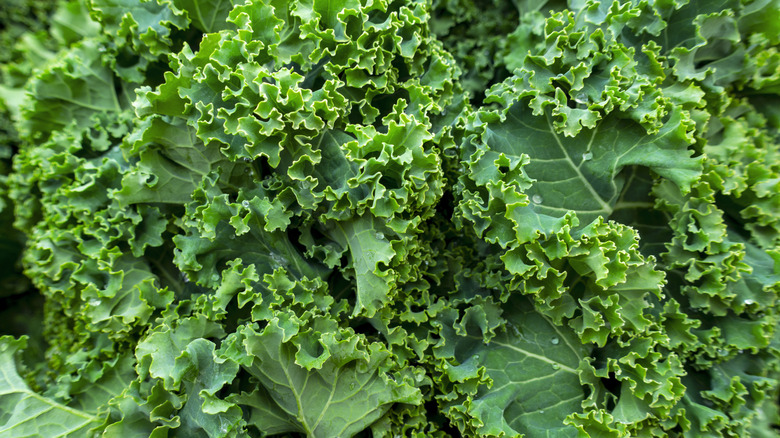
Kale is an underrated vegetable that contains an impressive amount of iron. Its robust bitter notes might be off-putting on first try, but its nutrient-packed appeal is enough to give it another chance. If you have a garden, kale is quite easy, not to mention fast, to grow — but what about indoor gardens? Chowhound spoke with Erika Nolan, homestead consultant and creator, to get expert, exclusive insights. Nolan is also on Instagram via @the.holistic.homestead, YouTube via @the.holistic.homestead, and Facebook at The Holistic Homestead. Short answer: Yes, kale can thrive indoors. “Herbs and leafy greens do well indoors because of their lower need for full sun,” Nolan said. But, of course, there are certain caveats.
While kale can survive indoors with less direct sunlight, it does appreciate a good sunbathing, preferring at least eight hours of sun exposure every day for a greater yield. Four hours of sunlight is possible, but expect slower growth and less abundance of leaves. Supplemental light can also do the trick. Here’s a handy vegetable gardening tip to remember if you’re a beginner: “Less light means less water because of less evaporation and heat,” Nolan says. But no matter the amount of sunlight your kale receives, make sure to pay attention to the soil; if it’s less than moist, your kale might be thirsty. When in doubt, you can always invest in a moisture meter.
Read more: 15 Best Things To Plant Alongside Your Tomatoes
Planting kale indoors successfully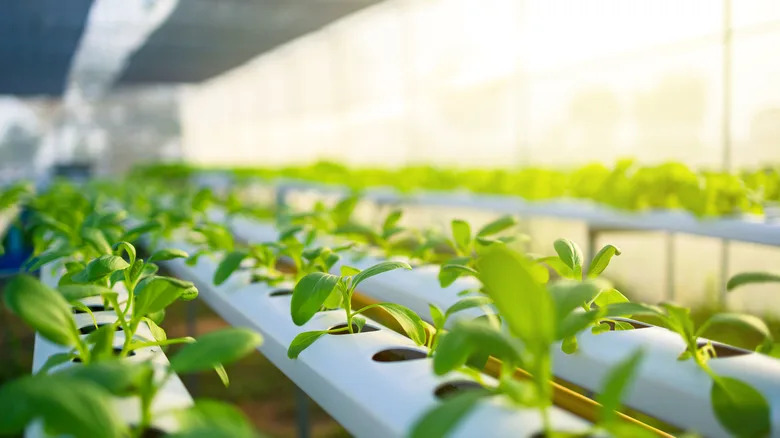
“Everything grown in soil [will] have a higher nutritional content [than that] grown with artificial fertilizers,” Erika Nolan shares, highlighting the importance of planting kale in soil. This is due to the microbial activity that flourishes in healthy soil, which helps convert organic matter, making it possible for plants to access nutrients. This is why you can’t just use dirt from your backyard to grow your vegetable garden. That said, you have the option to create a hydroponic system if you’re planting kale indoors. It’s the ideal choice if you have a smaller space but want to produce a greater yield. You can group the vegetables closer together with this system compared to the traditional method of planting them in soil. A hydroponically grown vegetable can have the same nutrients as those grown in healthy soil, so you won’t lose all the good stuff.
“You can always add a natural fertilizer like kelp meal, seaweed, or fish emulsion,” Nolan mentions. “Those specifically help with nitrogen that will produce stronger roots, which in turn have the potential of absorbing more nutrients through the soil. All leafy greens are sweetest after a light frost in the upper 20s.” Other than that, kale is pretty low maintenance, and won’t require much attention in order to thrive. Nolan also mentions that Lacinato or Dino kale is best for indoor planting, and it only takes a month to grow. Its thin leaves make it great for raw consumption, but it can also thrive in cooked meals, so it’s pretty versatile.
Want more food knowledge? Sign up to our free newsletter where we’re helping thousands of foodies, like you, become culinary masters, one email at a time. You can also add us as a preferred search source on Google.
Read the original article on Chowhound.
Comments are closed.