
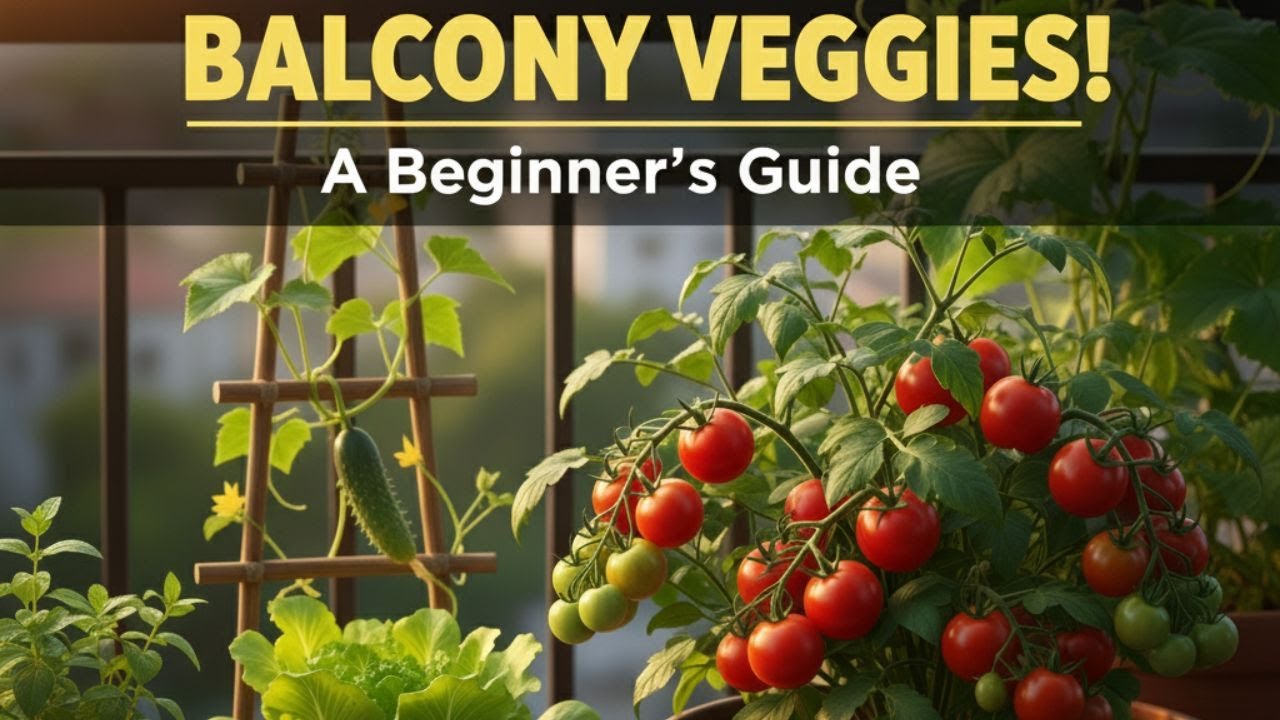
Balcony Gardening | Container Gardening | Growing Vegetables in Small Space Balcony
#farming #agriculture #vegetables #gardening
Here are some related video links:
10 Best Popular Indoor Plants for Decoration | That Can Easy to Without Sunlight | No Soil Needed https://youtu.be/7eOO14EWMVA
Gardening Tips: Common Gardening Mistakes to Avoid Gardening Tips: Common Gardening Mistakes to Avoid https://youtu.be/Yn8pvP9BR8k
Small-Space Gardening Ideas / Home Gardening / 5 Tips for Growing More https://youtu.be/HQyUprC27hs
Most Popular Cactus Types on Earth / Cactus Plants https://youtu.be/NFNvQVHV7VA
If You Like My Channel
Like
Comment
Share
Subscribe
My Channel: / @agrostar3996
© Copyright:
Music by –
You Tube Library
Videos by –
https://www.pexels.com
https://www.pixabay.com
https://www.vecteezy.com
…………………………………………………..
Background Music Credit –
Note: All the images/pictures shown in the video belongs to the respected owners and not me….. I’m not the owner of any pictures showed in the video…
Background music from You Tube
……………………………………………………
This video has no negative impact on the original works. This video is used for teaching purposes. I only used small pieces of the videos to get the point across where necessary.
Thanks for Watching….
Hello everyone. Welcome back to Agrostar. Living in a city doesn’t mean you can’t have your own fresh garden. Today we’re showing you how to grow a vibrant harvest right on your balcony with our guide to container vegetable gardening. This is a rewarding way to bring farm fresh food to your table, no matter how small your space. So, let’s get our hands dirty and cultivate some urban wisdom. Choosing your space and containers. The most important step is to understand your balcony sunlight. Most vegetables need at least 6 hours of direct sun daily to thrive. So, find your sunniest spot for plants like tomatoes, peppers, and beans. If your balcony gets less sun, leafy greens like lettuce, spinach, and herbs will be perfect. Next, select your containers. Ensure every pot has drainage holes to prevent water logging, which can cause root rot. The size of the container is crucial. A small pot is great for herbs, but a tomato plant needs a large container, at least 5 gallons, to support its extensive root system. You can choose from a variety of materials, including terracotta, plastic, or fabric grow bags. Soil and plant selection. Don’t use soil from your backyard. For pots, a high quality, lightweight potting mix is essential. It’s specifically designed for containers, providing the right balance of drainage and irerration that roots need to grow. Now for the fun part, choosing your vegetables. Start with varieties that do well in containers. Cherry tomatoes and bush type peppers are excellent choices for sunny spots. For partial shade, try leafy greens, radishes, and carrots. You can also maximize your space by growing vertically. Just use a trellis for climbing plants like cucumbers or pole beans. Planting and care. Once you have your pots and soil, you can begin planting seeds or small seedlings. Gently fill your container with the potting mix. Create a small hole and tuck your plant or seeds in, giving them a good initial watering. When it comes to watering, remember that pots dry out much faster than garden beds. A good rule of thumb is to check the soil moisture daily by sticking your finger an inch or two deep. Water thoroughly until you see excess water draining from the bottom of the pot. Since nutrients in potting mix are limited, your plants will need a boost. A balanced liquid fertilizer can be applied every two to three weeks following the instructions on the package to keep your plants healthy and productive throughout the season. Your urban harvest. Growing vegetables on a balcony is a simple and joyful experience that connects you to your food. With a bit of sunlight, the right containers, and consistent care, you’ll be harvesting fresh, delicious vegetables right outside your door. If you found this video informative, please like, subscribe, and share Agrostar with your community. Leave your questions or experiences in the comments below. We’re eager to hear from you. Happy gardening and see you in the next
2 Comments
Lassanayi wade oyage suna pathum hodata wadekaranawaa
Nice