
TajdidProtik/Shutterstock
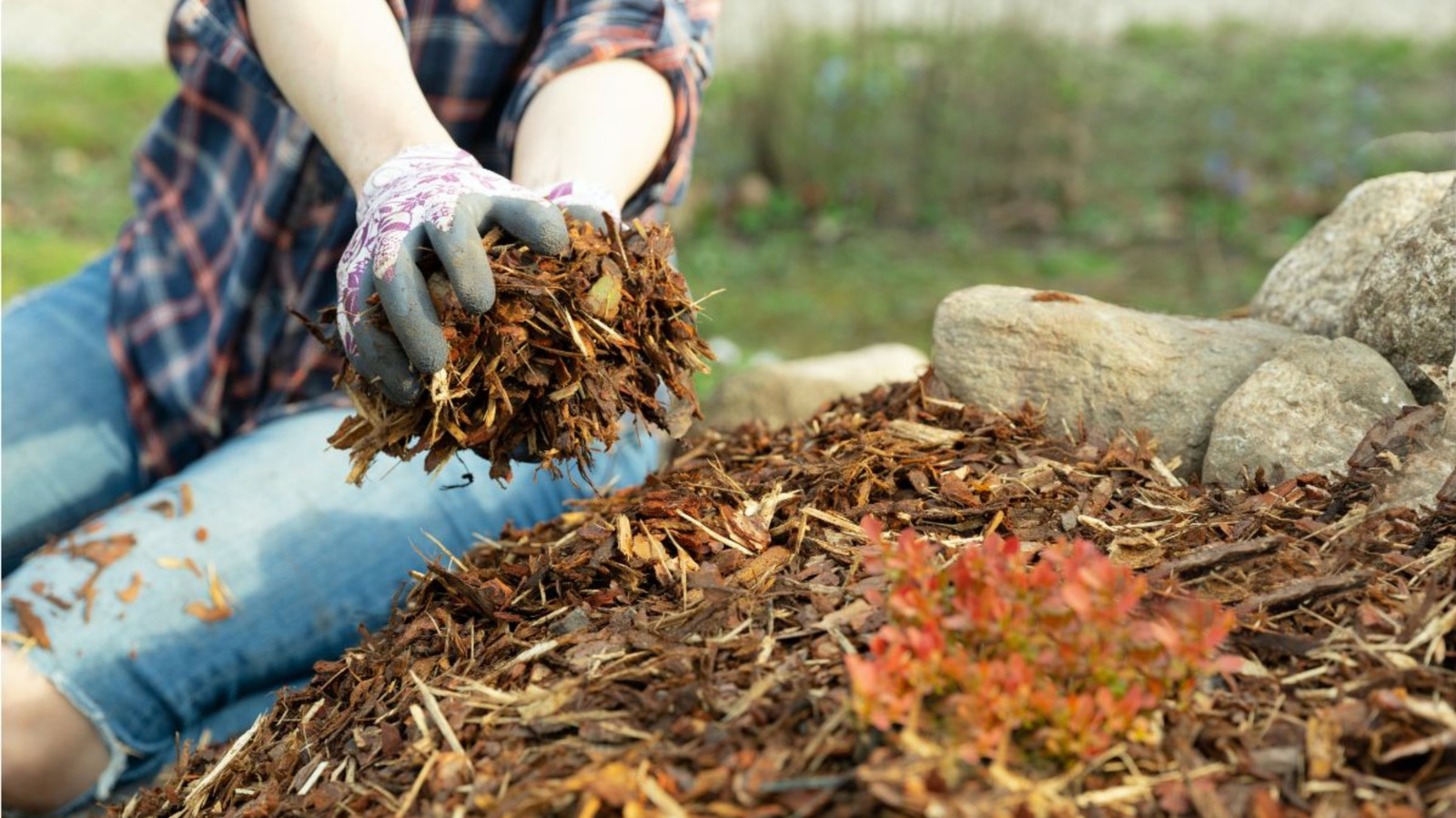
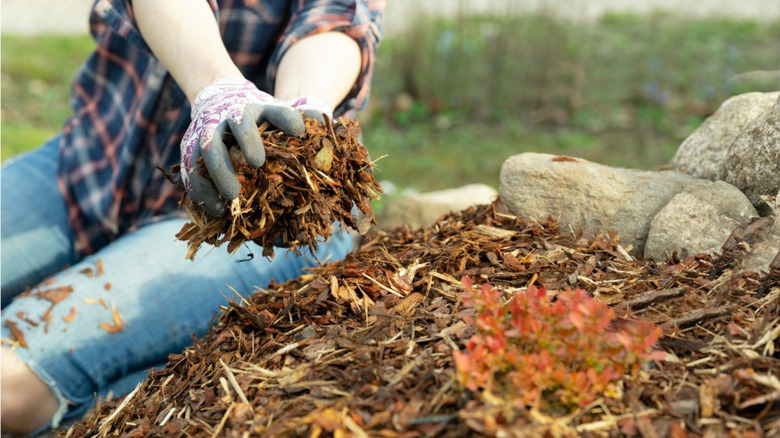
Mulching is one of those annual tasks gardeners perform to get their plants ready for winter. A good blanket of mulch can protect perennials, trees, and shrubs, retaining valuable warmth and moisture that many plants need to get them through the harshness of winter. Younger plants that are still establishing deep roots, or plants whose roots always lie only in the shallowest soil, can benefit a lot from mulching. But not all plants need this soil cover, and some will actually fare worse if you apply mulch. Be especially careful mulching around plants that need well-draining soil, those that self-sow, or those whose roots, stems, or trunk will rot when you mulch them.
The reason not to use mulch on some plants is precisely why you should use it on others. Mulch protects plants from extreme cold and reduces fluctuations in soil temperature that result in frost heaves. While many plants need that extra blanket of warmth and heat, others don’t. Too much moisture can drown roots, cause them to rot, or invite pests. You risk killing your plants if you go wild with mulch without knowing what kinds of plants need mulch and which ones do not.
Rosemary
Webclipmaker/Getty Images
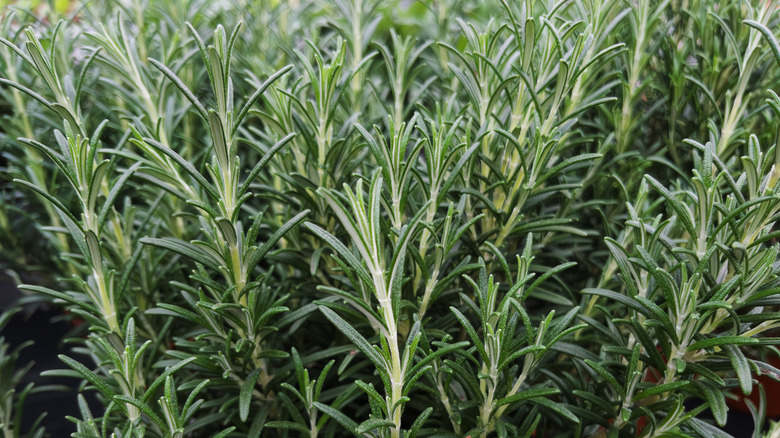
Rosemary (Salvia rosmarinus) is one of those Mediterranean herbs that have evolved in loose, well-draining soil and sunny conditions. It’s hardy only in USDA hardiness zones 8 to 11, so if you live outside of those zones, the best way to prepare your rosemary for winter is to bring it indoors. Mulch applied to rosemary in any zone that receives winter moisture (snow or rain) can get compacted or cause humidity and invite root or bark rot.
Lavender
Katya Slavashevich/Getty Images
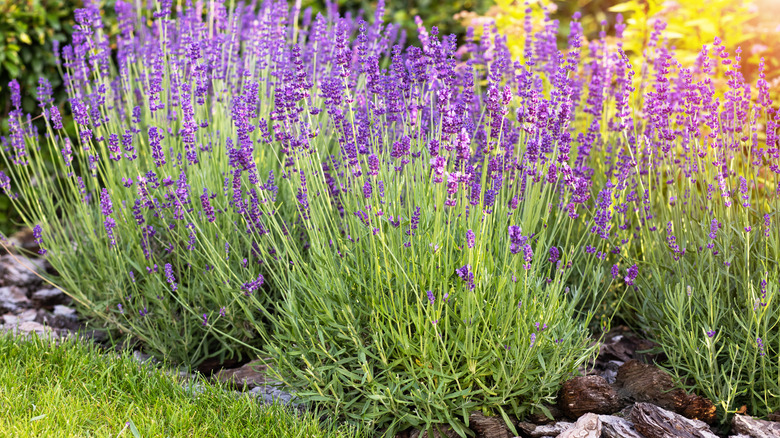
While lavender (Lavandula spp.) is hardier than rosemary and can grow in zones 5 to 9, like rosemary it’s a Mediterranean herb that prefers well-draining soil and arid conditions. Unless you live in a desert outside those zones, mulching lavender will trap moisture and lead to root rot. Within those zones, lavender will do best if you allow it to drain away any winter precipitation on its own.
Black-eyed Susan
Hecos/Shutterstock
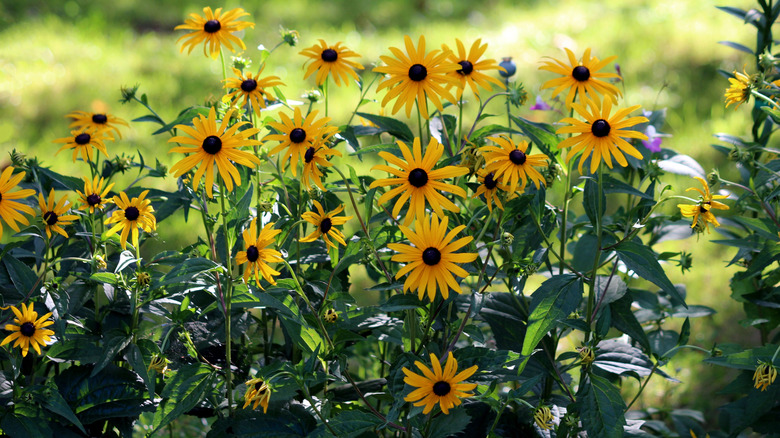
One of the benefits of gardening mulch is that it suppresses weed growth by shading out seeds and preventing them from germinating. But if you have plants that self-sow, that’s a problem, not a benefit. Black-eyed Susans (Rudbeckia spp.) are short-lived perennials that return year after year in zones 4 to 10 if you let them self-sow. But your black-eyed Susans will eventually disappear if your ground is covered with mulch and their seeds never find any soil to germinate in.
Russian Sage
iPlantsman/Shutterstock
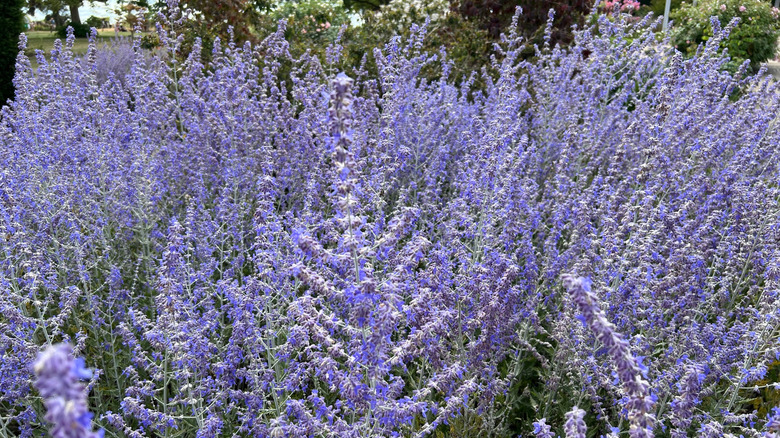
Like other perennial sages that grow woody stems, Russian sage (Salvia yangii) is a perennial in zones 4 to 9 that is adapted to dry climates and fares badly in wet soils or poorly draining ones. Plants in the salvia genus grow in many conditions around the world, and while tender perennial sages might benefit from a winter mulch, moisture trapped by mulches can cause crown rot in Russian sage.
Autumn Joy Sedum
Sandra Alkado/Getty Images
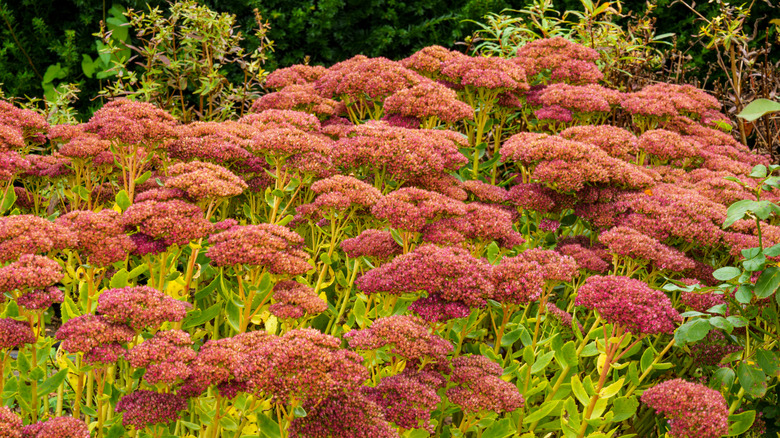
‘Autumn Joy’ sedum (Hylotelephium spectabile ‘Autumn Joy’) is one tough plant, surviving in the harshest of North American winters from zones 3 to 10. Its waxy, succulent leaves make it drought tolerant, perfect for xeriscaped gardens. But that also makes it a poor candidate for traditional winter mulching. With such a low-maintenance plant, there is no reason to mulch it, and you are more likely to cause rot than protect the roots.
Lamb’s Ear
Alex Manders/Shutterstock
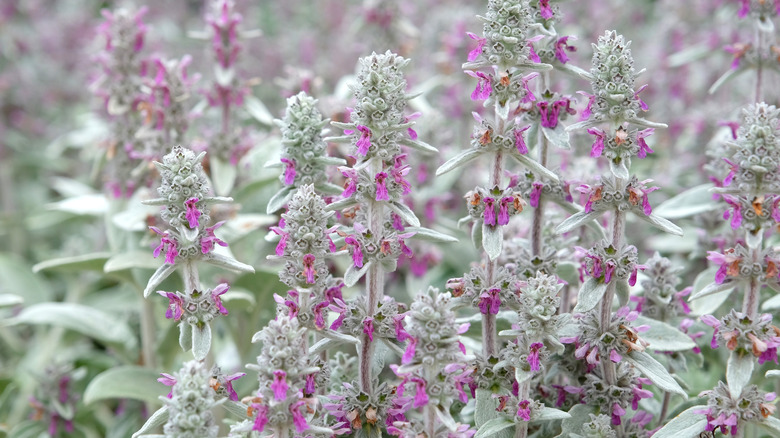
Lamb’s Ear (Stachys byzantina) is a child’s favorite for the fuzzy texture of its leaves. That texture allows the plant to shed moisture, because lamb’s ear is a drought-tolerant, low-moisture plant that requires well-draining soil. Since this low-growing plant functions well as a ground cover in zones 4 to 9, there’s no need to add a layer of mulch to keep the soil underneath warm. Mulch will only trap moisture and promote root rot and other fungi.
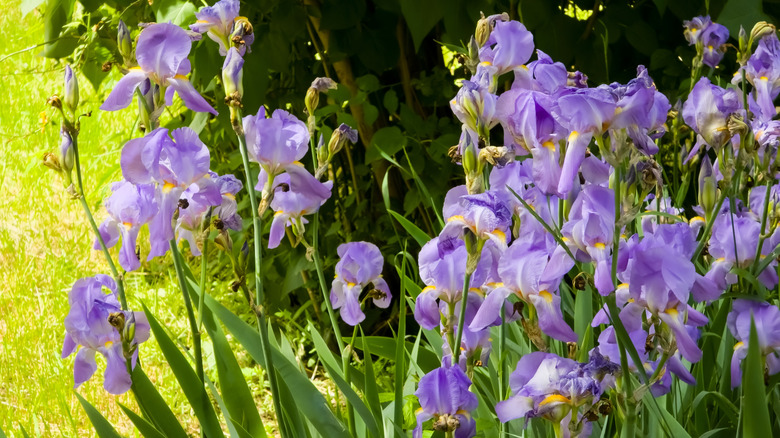
Bearded Iris
Dan Gabriel Atanasie/Shutterstock
Bearded iris (Iris x germanica) is one of the few garden plants that require their roots (or rather, their rhizomes) to receive sunlight in order for the plant to thrive. Exposure to the sun and well-draining soil help bearded irises resist disease and root rot, so mulching them has the exact opposite effect. Bearded irises are more likely to tolerate drought than soggy soil, so if they’re failing to bloom, remove any leaves or mulch and raise their rhizomes so that their tops are exposed to the sun. These blooming plants are hardy in zones 3 to 10.
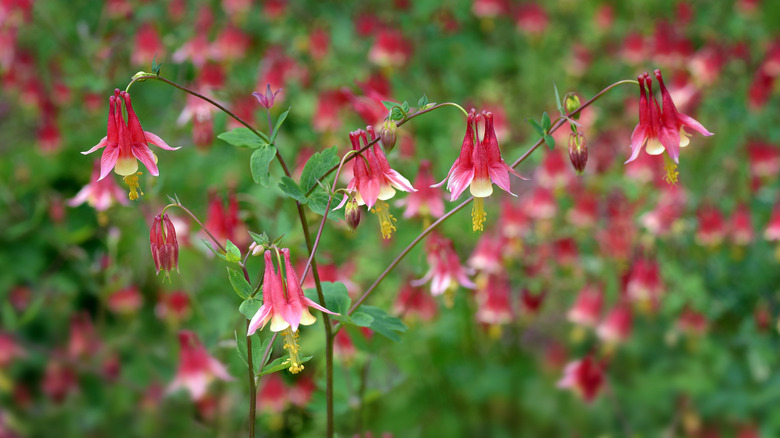
Columbine
damann/Shutterstock
Wild columbine (Aquilegia canadensis) doesn’t need your help. A native that is hardy in zones 3 to 8, it is well adapted to North American winters. While it prefers moist, well-draining soil, it is a short-lived perennial that readily reproduces by self-sowing. As with black-eyed Susans, a winter mulch will prevent those seeds from taking root, depriving you of years of enjoyment.
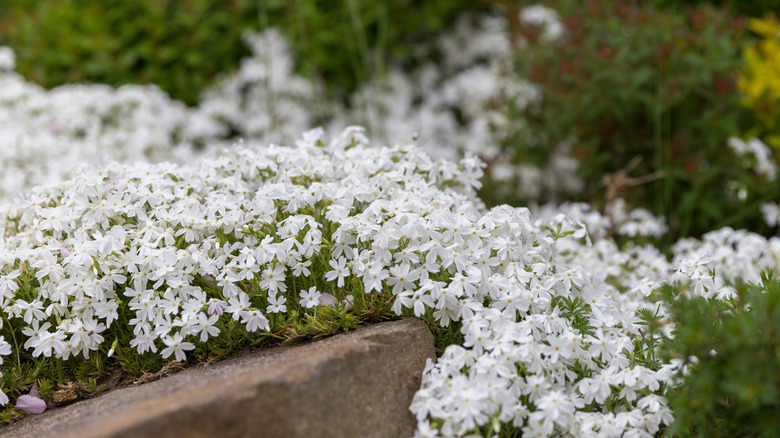
Creeping phlox
Ihor Hvozdetskyi/Shutterstock
Creeping phlox (Phlox subulata) is its own mulch. It’s an excellent groundcover with needle-like evergreen leaves that act as the plant’s own blanket in winter. While it prefers moist, well-draining soil, its own leaves help it retain that moisture. Since it is hardy on its own in zones 3 to 9, covering the plant with mulch will only smother it, trapping excess moisture that it doesn’t need and exposing the entire plant to rot.
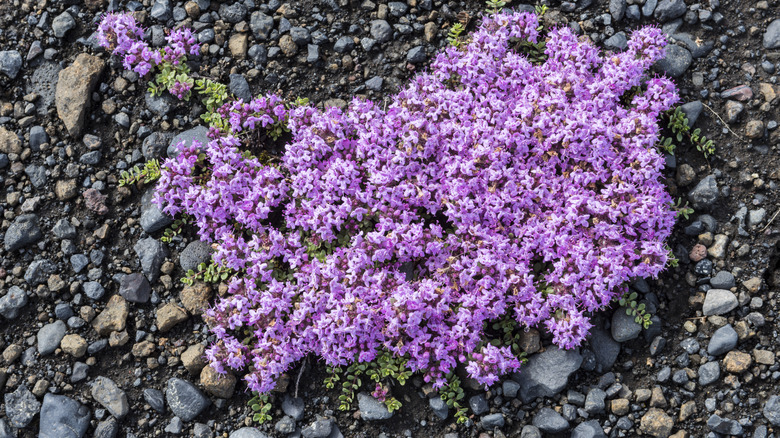
Creeping Thyme
Kloeg008/Getty Images
Like creeping phlox, creeping thyme (Thymus praecox) is an excellent groundcover that needs no winter mulch. Hardy in zones 5 to 8, it prefers sandy or rocky soil that drains well, and its evergreen leaves create its own mulch, allowing it to retain moisture and warmth. Its native habitat is northern Europe, so if it can survive in Iceland and Greenland, it most likely will survive without your assistance.
Comments are closed.