
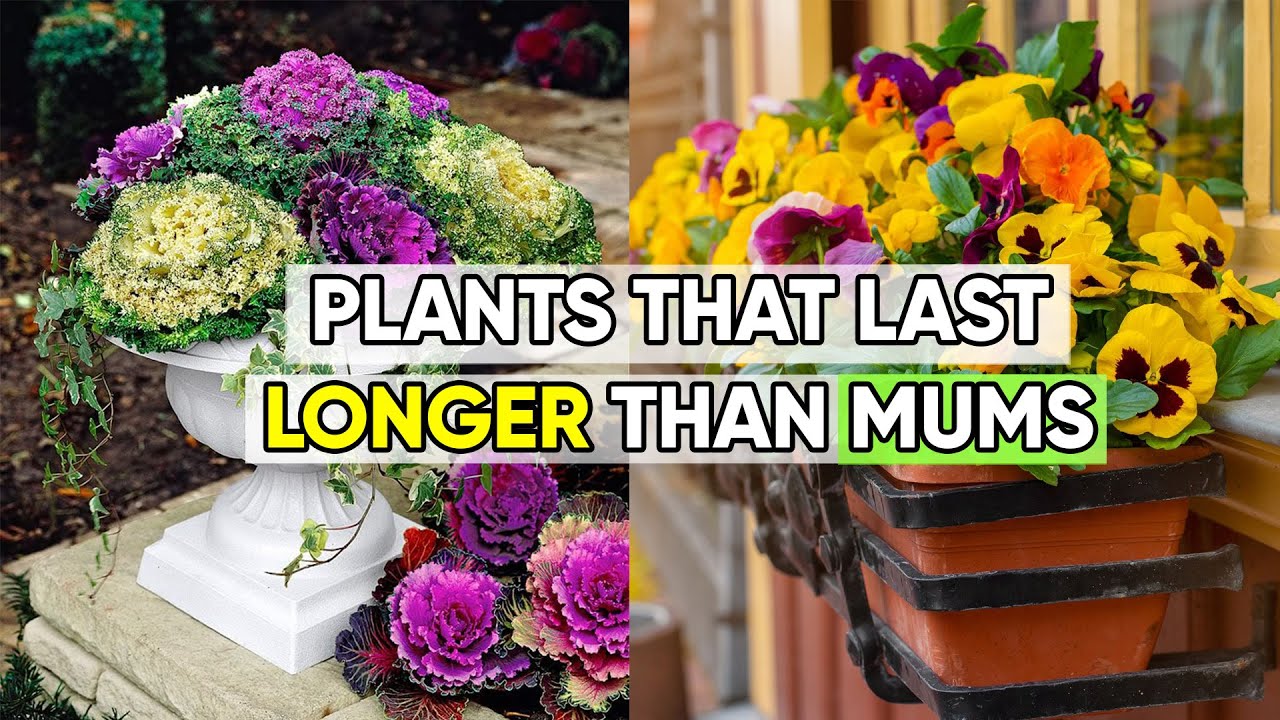
Tired of planting the same mums every fall? 🍂 In this video, we’ll show you 7 gorgeous container plants that bring even more color, texture, and style to your autumn garden. From vibrant coleus and heuchera to ornamental grasses and kale, these stunning picks will keep your patio or porch glowing with fall beauty long after the mums fade.
Whether you have a small balcony, front porch, or backyard oasis — these plants are low-maintenance, cold-tolerant, and absolutely eye-catching. Discover how to mix and match them for the ultimate fall container display that turns heads all season long! 🌾🌼🍁
👉 Watch till the end for bonus design tips on how to layer plants for texture, color contrast, and long-lasting appeal!
fall container plants, autumn planter ideas, best fall flowers, plants better than mums, fall gardening tips, container gardening for fall, patio planter ideas, easy fall plants, cold tolerant plants, colorful fall plants, porch decoration ideas, low maintenance fall plants, garden design fall, ornamental kale, heuchera fall colors
#FallPlants #ContainerGardening #FallDecor
Everyone loves chrysanthemums. Those cheerful fall blooms that seem to appear on every porch once September hits. But here’s the truth. Mums are kind of the pumpkin spice latte of fall plants. They look great for a few weeks, then fade fast. If you’ve ever watched your mums wilt before Halloween, you know the disappointment. In this video, we’re diving into seven must-have fall container plants that outshine mums in every way. More texture, more color, more personality. Whether your style is a rustic farmhouse, modern, minimal, or cozy cottage, these plants will make your porch pop and your neighbors wonder how your pots still look perfect when theirs are long gone. Let’s get started. And trust me, by the end of this list, you might never buy another mum again. One, ornamental kale and cabbage, the fall showstopper. Let’s kick it off with one of the most underrated fall heroes, ornamental kale and cabbage. These aren’t your typical dinner greens. You’re not tossing these into a salad. They’re bred purely for beauty, and they deliver it in full force. Imagine bold rosettes of color. Layers of deep purple, creamy white, dusty pink, and jade green, swirling together like living floral sculptures. As the temperatures drop, something magical happens. Instead of fading, the colors intensify. Cooler nights trigger pigments that make their leaves glow even brighter. Purples deepen. Pinks turn electric and the greens take on a frosted sheen. It’s as if the cold air paints them fresh every morning. And here’s the kicker. While chrysanthemums wilt and brown after the first real frost, ornamental kale and cabbage thrive. They laugh at the cold. In fact, a light frost enhances their color. Many gardeners keep them going all the way through December, looking vibrant even with snow dusting their ruffled edges. When planting, go big. These plants love space. Use large, deep containers so their roots can anchor well. A single kale or cabbage can be the star of your display, but they also shine when grouped with trailing plants like ivy or creeping jenny spilling over the edge. If you’re designing a mixed fall container, plant your kale or cabbage in the center as the focal point. Then surround it with shorter companions like silver dusty miller, soft hooka, or cheerful pansies. The mix of color and texture will look lush and intentional. Care is simple. Keep the soil consistently moist, but never soggy. Overwatering can cause root rot, so ensure your pot has excellent drainage. Every few weeks, give them a boost with a diluted liquid fertilizer. That’ll keep their foliage strong and vivid. And here’s a bonus tip. If you want to extend their beauty, remove any lower leaves that yellow or wilt. This keeps the plant neat and encourages new growth at the crown. When everything else has surrendered to the cold, ornamental kale and cabbage stand proud, bringing shape, color, and energy to your porch or patio. They’re the perfect example of plants that get better as the weather gets worse. Tough, beautiful, and utterly dependable. If you’re tired of watching your fall containers die by mid-occtober, start here. These plants don’t just survive fall, they own it. Two, Ukura coral bells, the texture queen. If mums bring color, uka brings depth, sophistication, and yearround texture. This plant is like the quiet star of container gardening. Subtle at first glance, but the longer you look, the more mesmerizing it becomes. Hooer, also called coral bells, is all about its leaves. The foliage comes in nearly every color you can imagine. burnished copper, smoky plum, lime green, silver veined with violet, and even near black velvet. Each leaf looks hand painted, and together they create layers of rich jewel toned texture that’s simply stunning. Unlike many fall bloomers, Huta doesn’t depend on flowers to impress. Its foliage is the main event and and it lasts for months. Even in late autumn when blossoms are gone, the leaves stay bold and glossy, giving your containers that lush, still alive look long after other plants have given up. Hooer’s versatility is what makes it so powerful. It thrives in partial shade, but also tolerates full sun if the temperatures aren’t extreme, making it perfect for porch pots, entryway planters, or balcony boxes. The mounded shape naturally fills space and hides bare soil, creating that full professional look that many fall arrangements lack. When choosing varieties, think about contrast. For a dramatic look, pair deep purple obsidian or black pearl with silvery foliage like dusty miller or lamb’s ear. For something brighter, mix lime colored varieties like lime marmalade with dark pansies or purple cabbage for a pop of energy. And if you’re going for a natural woodland vibe, blend coppery hookas with ferns and small ornamental grasses. Hookura plays beautifully with others, but it can also stand alone. A single plant in a textured ceramic pot looks elegant and minimal, especially near steps or windows. Care-wise, it’s easygoing. Keep soil lightly moist and use a good quality potting mix that drains well. Too much water can cause the crown to rot. So, always allow the top inch of soil to dry slightly before watering again. Every few weeks, dead head any fading flower stocks or remove damaged leaves to keep the plant looking tidy. And in cooler regions, the foliage often takes on deeper tones in fall. An added bonus that makes your containers evolve with the season. Uta is also semi evergreen, meaning in mild climates, it will stay colorful all winter. Come spring, just refresh the pot with new soil or companion plants, and it’s ready to go again. This plant is proof that color doesn’t always have to come from flowers. With its endless variety, and long-lasting charm, Hutra adds depth, movement, and a touch of luxury to any fall container. The kind of quiet elegance that makes your arrangement look like it was designed by a pro. If mums are the loud, flashy party guests, Hutra is the effortlessly stylish one everyone remembers. Three. Pansies and violas. Small blooms, big impact. If there’s one flower that proves size doesn’t matter, it’s pansies and violas. These tiny powerhouses pack more personality per inch than almost any other plant. And they’ll keep your containers blooming long after most flowers have called it quits. Think of them as the smiling faces of fall. Their delicate velvety petals often look like they’ve been hand painted with blotches, streaks, and blends of color that feel almost too perfect to be real. You’ll find them in deep purples, sunny yellows, snowy whites, warm oranges, and dreamy blues. Sometimes all on the same plant, but the real magic is their endurance. Pansies and violas love the cold. They actually bloom better in cool weather. And in many regions, they’ll keep flowering right through light frost and into winter. While mums fade and collapse after a few chilly nights, pansies are still out there defying the season. cheerful, fresh, and full of color, even when snowflakes start to fall. Plant them thickly in containers, hanging baskets, or window boxes for a lush carpeted look. The more you plant, the more impact you’ll have, and the fuller and more colorful your arrangement will feel. For a designer touch, combine pansies with ornamental kale or cabbage for contrasting shapes, or nestle them around the base of taller plants like grasses, huta, or dwarf evergreens. Their low growing nature makes them perfect living mulch, filling gaps and tying the entire composition together. Care is delightfully simple. Keep the soil moist but not soggy. Pansies like consistent moisture but hate waterlogged roots. Dead head often. That means pinching off faded blooms to encourage continuous flowering. Within days, you’ll see new buds forming. Here’s a pro tip. Choose violas, the pansy’s smaller cousins. If you want even longer bloom time, violas are more cold tolerant and produce a carpet of smaller flowers that just don’t quit. In mild climates, pansies and violas will even reloom in early spring, giving you a second wave of color after winter. So, while mums might be the short-lived stars of October, pansies and violas are the true marathoners. Reliable, beautiful, and absolutely unbeatable for long-lasting fall color. Four, ornamental grasses. The movement and drama makers. If you want to take your fall container from nice to jaw-dropping, add ornamental grasses. They bring the one thing flowers can’t. Movement. When the wind blows, their blades sway, shimmer, and whisper, creating rhythm and life in your display. Even the slightest breeze turns them into living sculptures. They catch the light, dance with shadows, and add that professional designer look that instantly elevates your porch or patio. These grasses are the architects of your container garden. They provide height, contrast, and structure, all while staying incredibly lowmaintenance. For pots, choose compact or clumping varieties like purple fountain grass with rich burgundy blades and soft feathery plumes that glow in sunset light. Japanese forest grass. Hakonakoa, a cascading golden green variety that adds graceful flow to shady corners. Blue fescue, a tidy silvery blue grass that pairs beautifully with cool tones like dusty miller, pansies, or white pumpkins. Ornamental grasses are incredibly versatile. You can use them as a dramatic centerpiece in a large urn or as subtle texture along the edges of smaller pots. They complement every fall theme much from rustic farmhouse to sleek modern. Their color palette is another reason to love them. You’ll find everything from golden wheat tones to deep burgundy and icy blue. Many varieties even change color as the season shifts, offering you a dynamic display that evolves over time. And just when you think they’re done, they surprise you again. As winter arrives, their plumes dry into sculptural forms that catch frost and morning light like strands of spun gold. Even covered in snow, they add structure and beauty when everything else has faded away. To plant, start with a large pot that allows for root expansion. Mix in well- draining soil and water regularly until established. Most grasses are drought tolerant once mature, so they’re easy to maintain. When spring comes, simply cut them back to a few inches above the soil to make way for new growth. Ornamental grasses don’t just fill space, they define it. They turn a plain pot into a focal point, a static corner, into a living scene. And when paired with cool weather plants like pansies, kale, or trailing ivy, they bring texture, balance, and motion that make your fall containers feel alive. Five. Heathers and heaths. The cold weather survivors. When most plants have given up for the season, heathers and heaths are just getting started. These little evergreen warriors bring vibrant color and texture right when your garden and most of your neighborhood starts to fade into gray. They’re small, dense shrubs with fine needle-like foliage and clusters of tiny bell-shaped flowers that range from soft pinks and purples to creamy whites and vivid magentas. In a container, they look delicate, almost feathery, but don’t be fooled. These plants are tough. They thrive in chilly weather, resist frost, and can stay colorful well into winter, even when temperatures dip below freezing. The real magic of heathers and heath, though, isn’t just their blooms. It’s their everchanging foliage. Depending on the variety, the leaves shift colors with the seasons from bright green in summer to golden bronze, copper, or fiery red in the cold. That means your fall containers evolve over time. Every few weeks they look slightly different, more complex, more alive. If you want that natural woodland look, a soft mix of wild meadow meets cozy autumn forest, these are perfect. They pair beautifully with ornamental grasses, dwarf conifers, or even trailing ivy for an effortlessly layered design. The combination of textures, spiky, feathery, and glossy, creates visual interest from every angle. Plant them in acidic, well- draining soil and keep them slightly moist, but never soggy. These plants hate sitting in water, but they also don’t want to dry out completely. A layer of bark mulch on top helps retain moisture and keep roots protected through frost. Here’s a pro tip. Choose a mix of different heather varieties with slightly staggered bloom times. That way, you’ll have color from early fall all the way into the start of winter and even beyond. Place your container near an entryway, walkway, or patio where you can appreciate the detail, the contrast between the tiny flowers, changing leaves, and crisp autumn air. When paired with mini pumpkins, pine cones, or decorative branches, they bring an instant storybook fall charm to your home. And the best part, even under a blanket of snow, their form stays upright and attractive. When everything else fades, heathers and heaths keep standing tall, colorful, textural, and quietly stunning. If you’ve ever wished your fall containers could look alive in January, this is your secret weapon. Six. Sedum, the succulent superstar. When it comes to plants that practically take care of themselves, sedum, also called stone crop, is the reigning champion. If you want a container that looks lush and alive, but don’t have the time or energy to babysit your plants, this one’s for you. Sedum is a succulent, which means it stores water in its thick, fleshy leaves. That makes it extremely drought tolerant and nearly indestructible. You can forget to water it for a while and it’ll still look amazing. It also laughs in the face of cold weather. Frost, no problem. Wind, bring it on. There are dozens of varieties to choose from, but for fall, nothing beats sedum autumn joy, also known as hyotium tfium. It’s famous for its tight clusters of star-shaped pink flowers that gradually deepen to a rich copper red as temperatures drop. By late fall, they take on a burnished tone that perfectly matches the season, like nature’s own version of bronze sculpture. Sedum isn’t just about flowers, though. Its architecture makes it a design dream. The thick upright stems and round leaves bring structure and stability to container arrangements. They act as the anchor, the calm, bold form that balances out fluffier or trailing plants. Try pairing sedum with ornamental cabbage, hooker, or dusty miller for a rich contrast of textures. Or surround it with small pumpkins, pine cones, or moss for an earthy natural aesthetic. The mix of firm succulent leaves with soft foliage or delicate flowers gives that perfect modern rustic look. As the blooms fade and dry, resist the urge to cut them back. Those seed heads become beautiful winter sculptures, catching frost and light in a way that makes your containers glow even in the dead of winter. In fact, many professional landscapers leave sedum standing through the cold months just for this reason. It adds character and depth long after everything else has died down. Sedum thrives in full sun and well- drained soil. It doesn’t need much fertilizer, too much, and it can get floppy. Just plant it, water occasionally, and enjoy the show. In short, sedum is that plant friend who never complains, never wilts, and always looks good, no matter what the weather throws its way. It’s reliable, sculptural, and incredibly stylish. The kind of plant that makes your fall containers look intentional and designer quality without any effort. So, if you want a display that feels timeless, modern, and totally foolproof, Sedum is your star. Seven. Dwarf Evergreens. The long lasting foundation. If you’ve ever wished your fall containers could keep looking amazing through winter, Eve, and even into next spring, then dwarf evergreens are your secret weapon. These compact, cold, hearty shrubs bring year round structure, color, and life to your porch, patio, or entryway. While mums and annuals fade away by November, evergreens hold their shape and stay lush through frost, snow, and wind. They’re the definition of dependable beauty. Varieties like dwarf Alberta spruce, compact boxwood, juniper, and mini arborvite are classics for a reason. They come in different shapes and shades from deep forest green to silvery blue, and each adds a touch of timeless sophistication to your outdoor space. Some grow like little pyramids, others form rounded mounds, and a few even cascade gracefully over the edge of containers. One of the biggest advantages of dwarf evergreens is their versatility. They work with every style, modern, rustic, cottage, or traditional. You can make them look elegant and formal by planting them in sleek black or white urns, or cozy and natural by tucking them into weathered terracotta or wooden barrels. But what really makes them shine is how they play with the seasons. Think of them as living sculptures, the backbone of your container design. In fall, you can surround them with ornamental kale, hooker, and pansies for color. Come winter, add pine cones, holiday lights, or sprigs of red berries for a festive touch. Then in spring, swap those accents for daffodils, tulips, or patunias. The evergreen stays put, grounding the whole display. These shrubs are incredibly lowmaintenance. Once established, they need minimal watering. Just make sure the soil drains well since evergreens hate sitting in soggy pots. Give them a light trim in early spring to keep their shape neat and dense, and they’ll reward you with lush, healthy growth all year long. Here’s a pro design tip. Use the Thriller filler spiller formula. Let the evergreen be your thriller, the tall, bold focal point in the center or back of your container. Then add fillers like ornamental cabbage or huchera around the base and spillers like trailing ivy or creeping jenny to soften the edges. The result looks balanced, full and professionally designed. Another bonus, dwarf evergreens are evergreen. Literally, they photosynthesize all year, keeping your containers vibrant and green even when everything else is brown and lifeless. That means you’ll never have that sad empty pot look most people get in December. So if you’re tired of replanting every season or you just want something that looks classy no matter the weather, dwarf evergreens are the foundation you can build around year after year. They’re the heartbeat of every great four-season container. Steady, stylish, and effortlessly beautiful. With one of these in your fall lineup, your porch will look polished and alive long after the months have said goodbye.
Comments are closed.