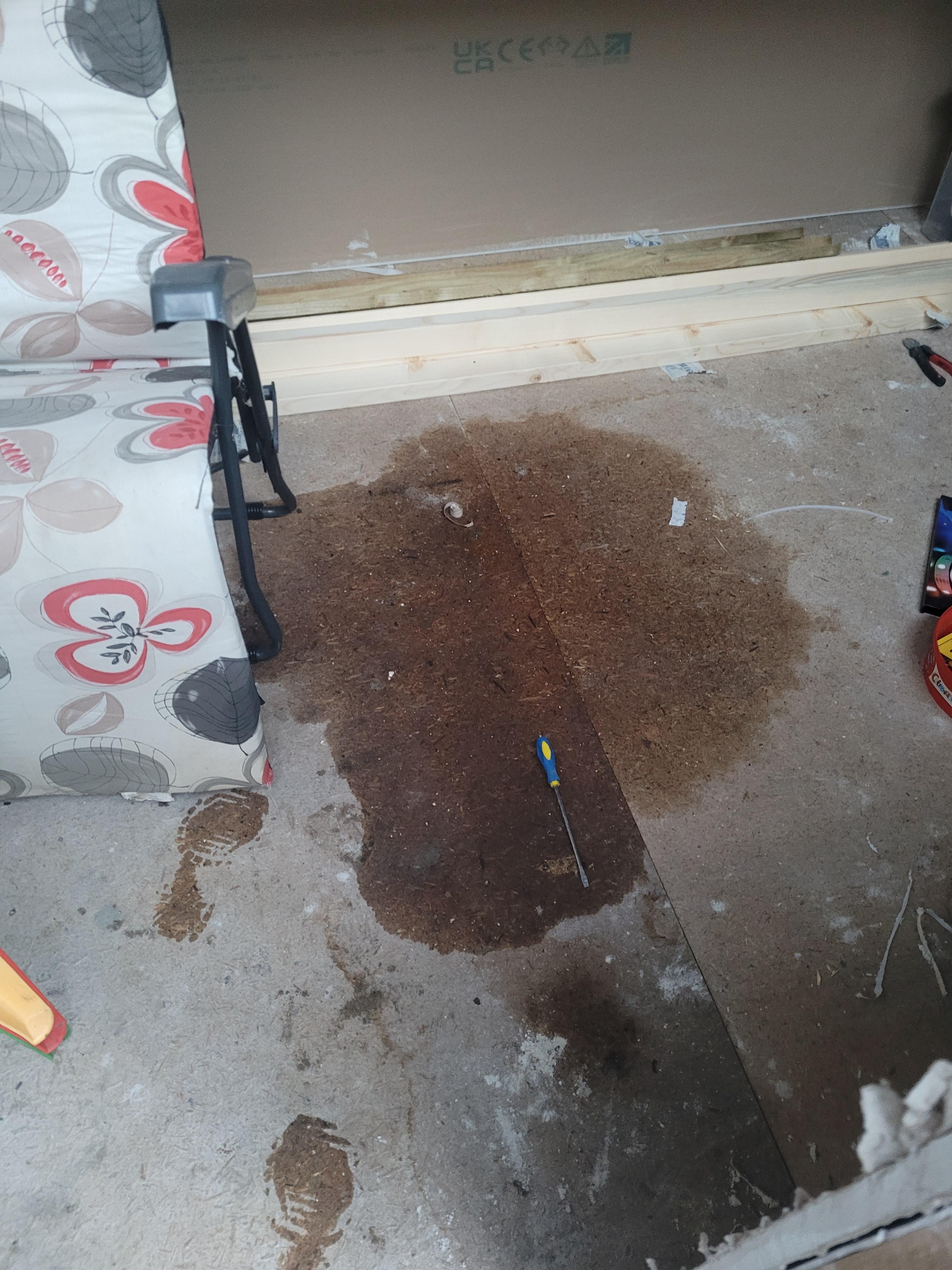
I've built a secondhand shed and had it boarded out. There is no damp on the walls or roof but this massive wet patch appeared after heavy rain last night. What is my next step to have this cheaply and easily finished please?
by BlueBerry3104

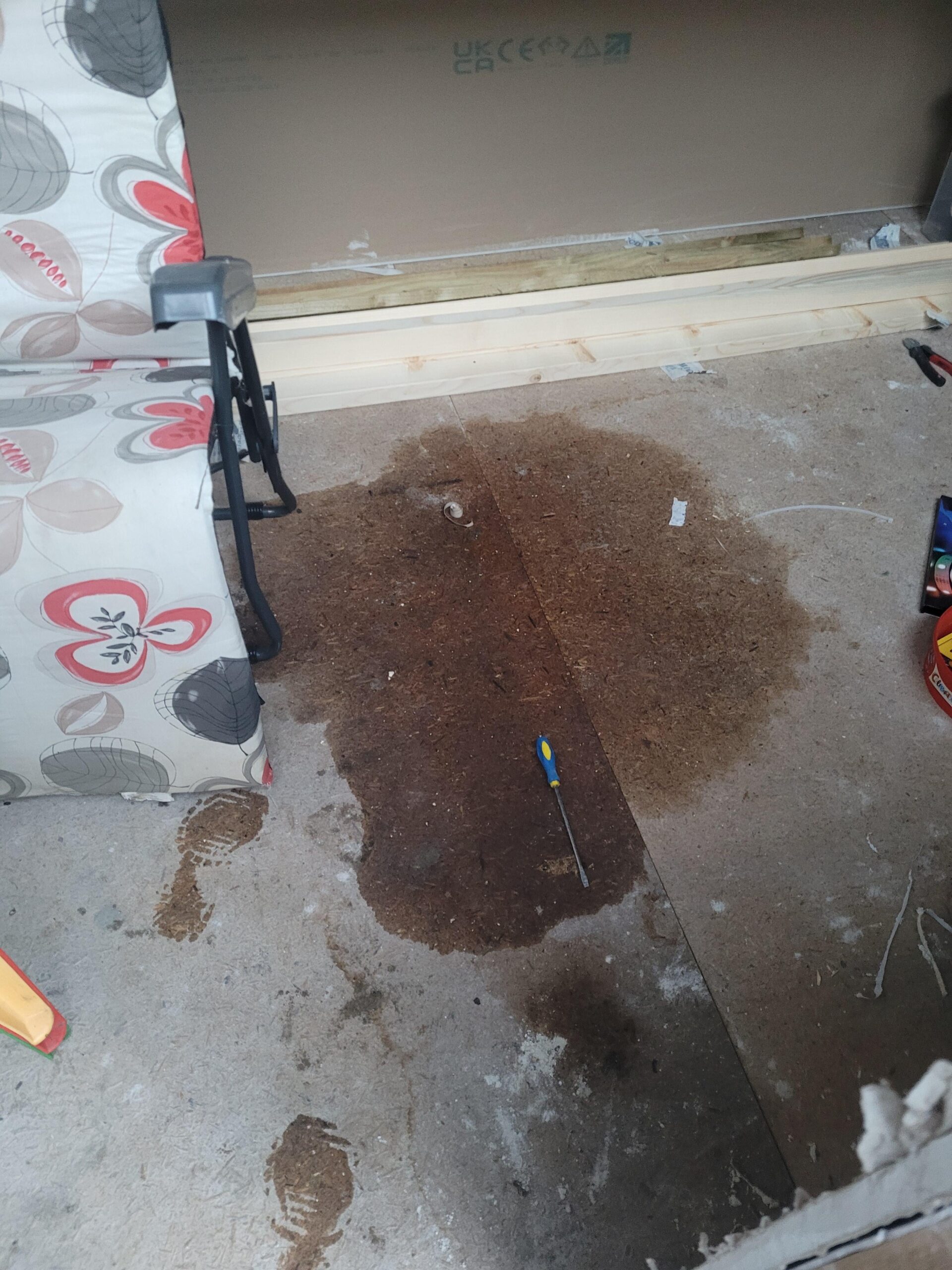
I've built a secondhand shed and had it boarded out. There is no damp on the walls or roof but this massive wet patch appeared after heavy rain last night. What is my next step to have this cheaply and easily finished please?
by BlueBerry3104
1 Comment
The first step is to find out where the water is coming from. Is it leaking from the roof or seeping in from underneath?
Considering you say it’s secondhand, are there joints between sections in the roof? Perhaps part of the roof (roofing felt) got damaged when transporting it?
Roofing felt can get brittle with age, so it may require complete replacement, or even just patching. Bitumen-based paints, adhesives, and roof sealants remain somewhat flexible after application and those that are “runny” such as black bitumen paint are good at flowing into small cracks and gaps.
If it’s coming up from below, you need to make sure the whole structure is raised above the ground, and that the ground below has good drainage so there’s no chance for absorbent materials to be in contact with groundwater.
If your shed has mains power, or is close enough to the house to run an extension lead (always use an RCD) then a dehumidifier would be very useful for drying out any moisture. Materials such as chipboard and OSB when wet or damp can lose their structure and crumble.
Next time it rains, go into the shed and look for leaks. Or put a small folding table or large box in the space where the damp appeared, topped with a large piece of cardboard or scrap paper. That will show you where drips (if present) are landing.