
Ned Birkey
| Farmers’ Advance


Soybean farmers hurting as Trump tariffs effects felt
President Trump has acknowledged tariffs are hurting soybean farmers, the country’s largest agricultural export.
The agricultural weather from the National Weather Service Climate Predication Center for Oct. 29 to Nov. 4, for our area of the Midwest, is calling for a forecast of near normal temperatures and calling for a stretch of likely leaning above normal outlook for precipitation.
The sludge trucks and application equipment are out at this time. Biosolids, or sludge, can be disposed of in one of three ways, landfill, incineration or land application. There are two types of biosolids; class B which has some live pathogens and must be incorporated into the soil, and class A which has no pathogens and can be surface applied to farmland. Either must be analyzed, the soil to which it will be applied must be soil tested and then the material applied at an agronomic rate to the most limiting nutrient, which is normally phosphorus. Monroe County has had biosolids land applied for over 40 years. Part of the research at Michigan State University involved heavy metals, pretreatment and the uptake with various vegetable and field crops. Local issues have generally involved problems with the transportation and application of this biological material and runoff onto roads, ditches and surface water.
Proper weight and ballasting are two important considerations for tractors pulling implements efficiently in the field. Tire slippage can be caused by worn tires, too little weight or poor weight distribution (ballasting). Soil compaction can be caused simply by working fields when soil conditions are too wet. Farmers in comfortable cabs and with plenty horsepower may not pay enough attention to wet field conditions that can reduce yields for next year.
It appears there is a seventh type of corn that I have neglected to think about; the iconic candy corn. The other six include field corn (No. 2 yellow dent corn), sweet corn, popcorn, No. 1 food grade corn, seed corn and ornamental (Indian) corn. Despite this type of candy being around before 1898, it was the 1950s that modern manufacturing allowed the mass production of this type of candy with its distinctive colors of white, yellow and orange. This distinctive pattern was perfected by a fellow named George Renninger in the 1880s, who knew he had the perfect shape when he threw some of this candy towards the family’s chickens and they finally started coming after the corn. The candy industry produces about 35 million pounds, or 9 billion kernels of candy corn a year. Today consumers can also buy red and green reindeer corn.
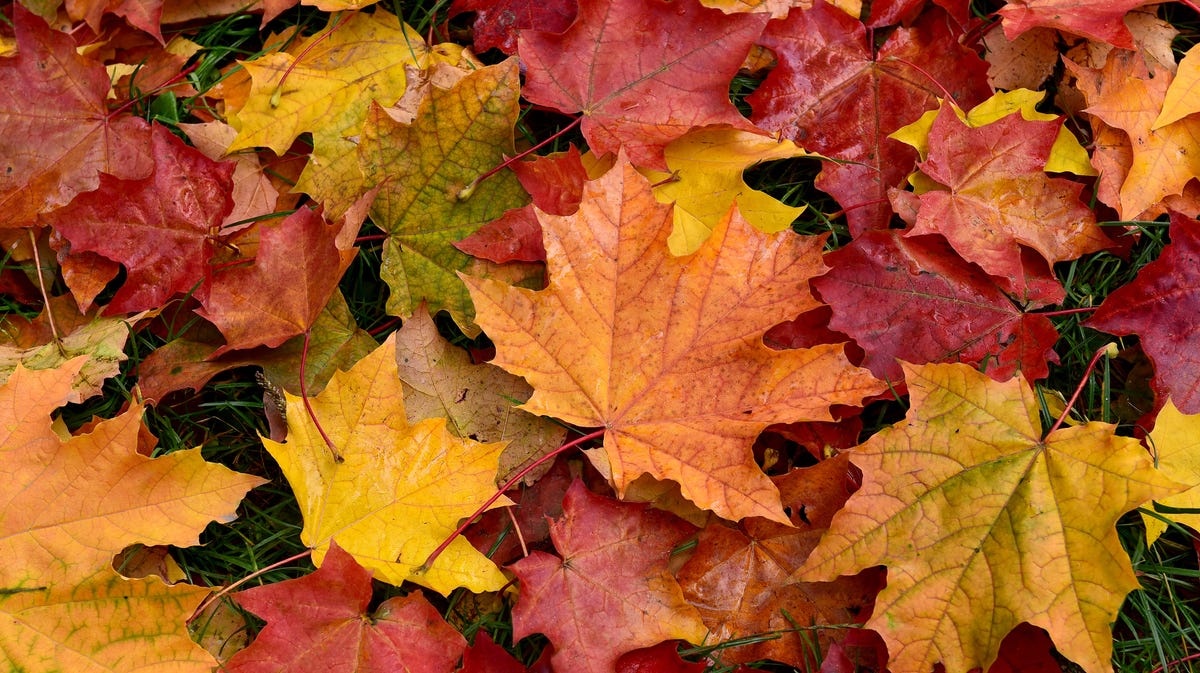
Using leaves rather than paying to dispose of them or burn them is a great use of one of nature’s ways to build soil. Regardless of the fall color, they all turn into gardeners’ gold! Ideally the final lawn mowing is more about mulching leaves and leaving them in place, more than shortening the grass one more time. Leaves are full of organic matter and minerals including calcium, magnesium, phosphorus, potassium and other minerals, all of which are free! Leaves can be used to improve the soil, compost pile, make mulch for vegetables, small fruits or ornamental shrubs, protect and store root vegetables, and having fun with the kids jumping into piles of leaves!
Comments are closed.