
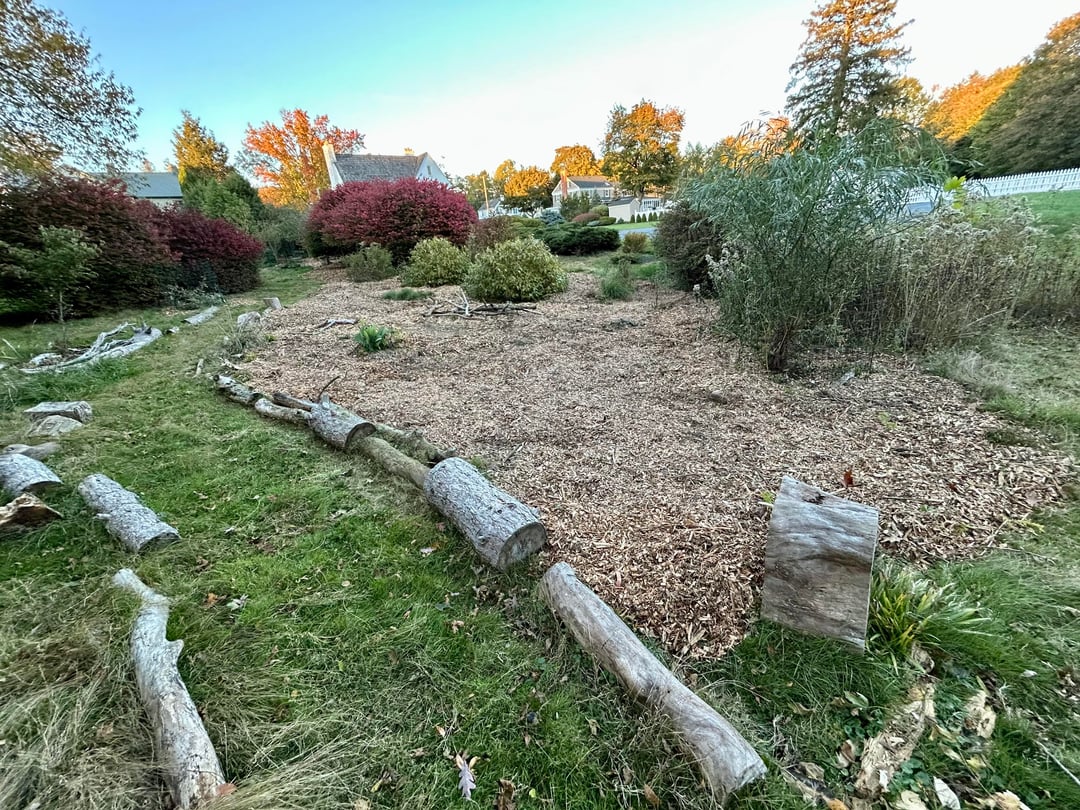
Western NY. Zone 6b. On a river of which this house has never flooded.
We’ve been trying for years to make a native meadow. It has not worked.
Trying something new: heavy mulch and going to stratify seeds. I understand it would be better for us to dig those seeds into the soil? And just hope that Creeping Charlie doesn’t reappear next year.
Any suggestions are welcomed. We’re working with a heavy clay soil.
by ApplicationSenior471
7 Comments
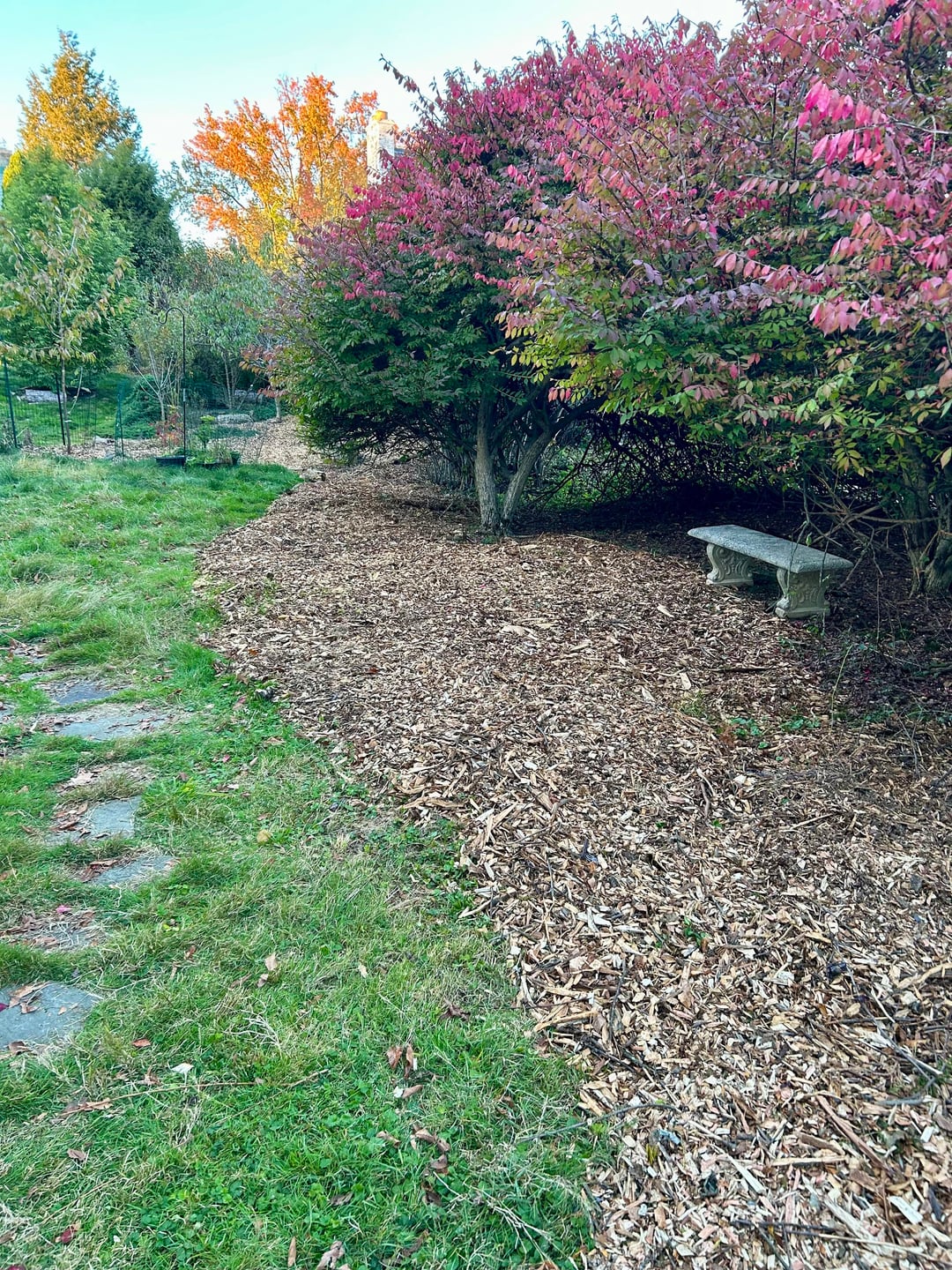
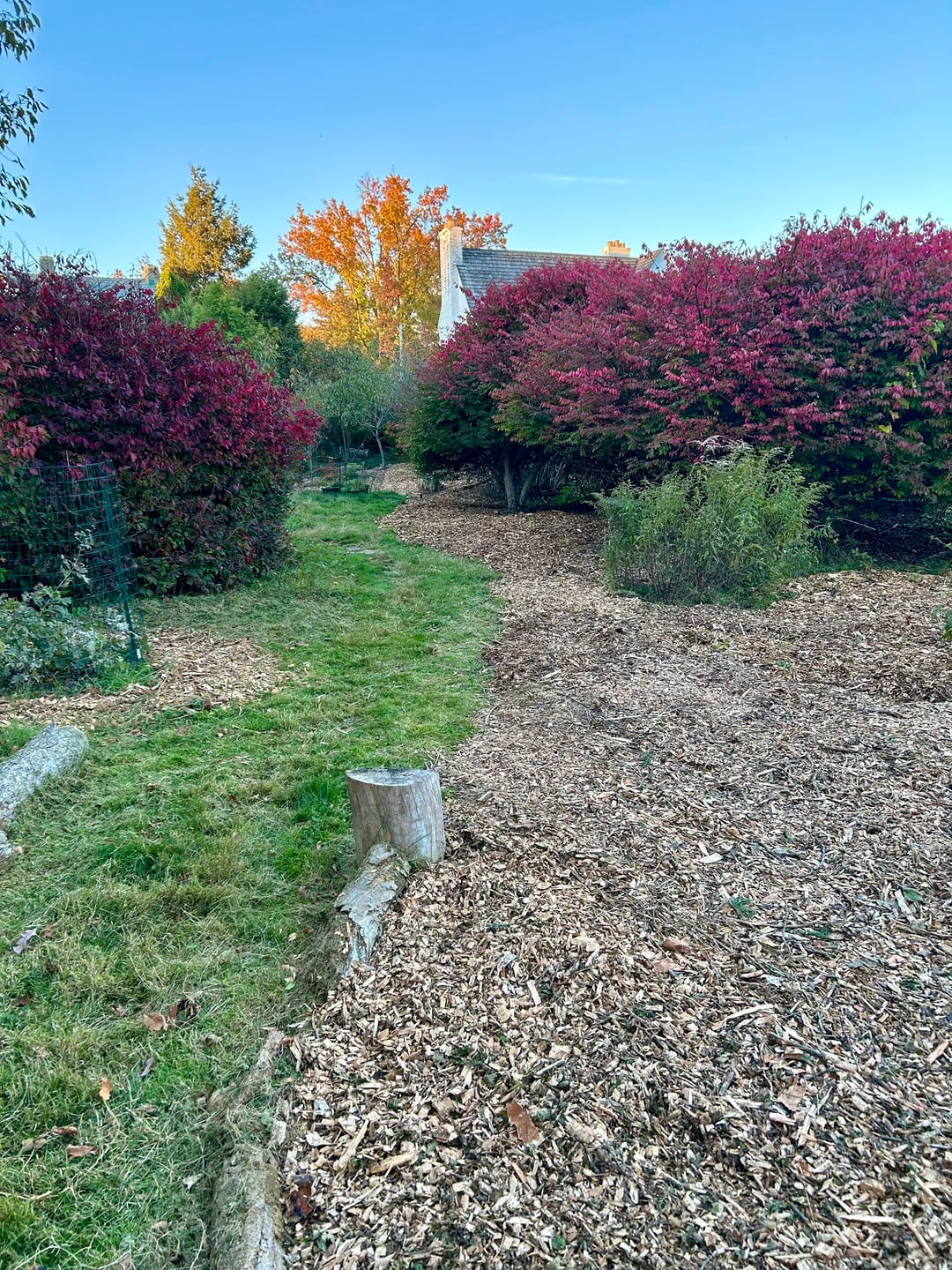
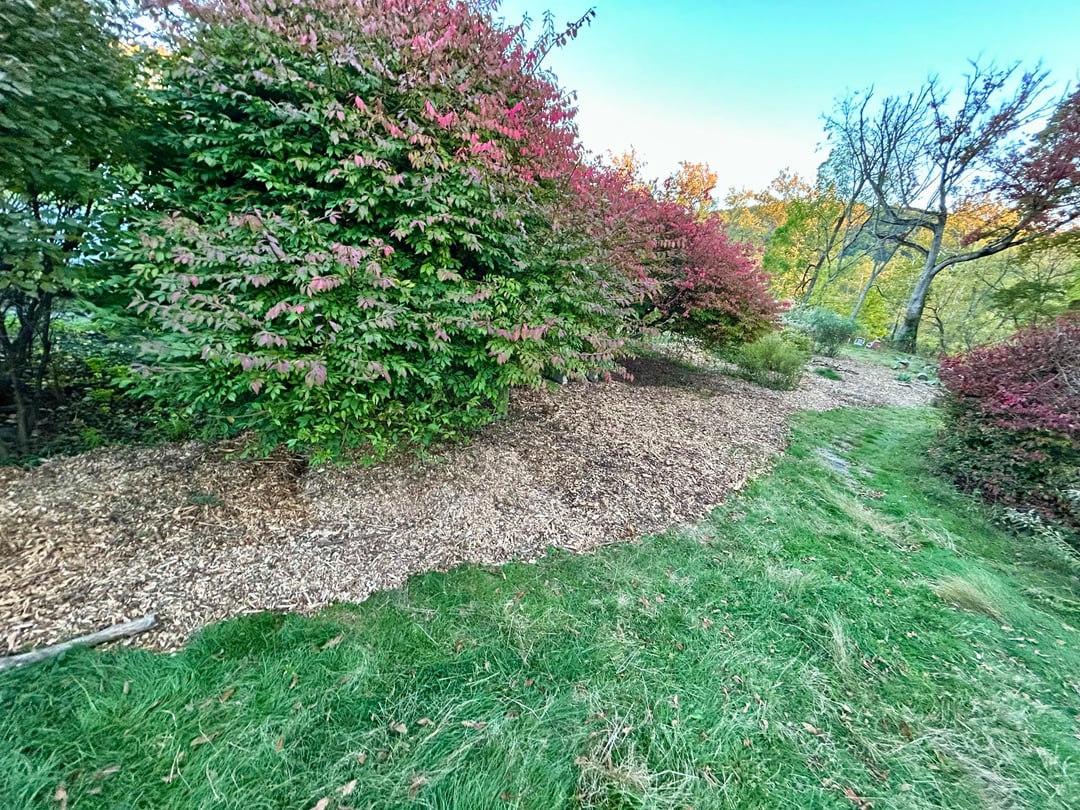
If those are what I think they are, and they sure look like burning bush, I think you may have your culprit (or one of them).
They create this massive…sponge? of roots that are just this impenetrable morass. Likely plants are getting massacred before they can establish roots.
I’ve had success meadowscaping by starting plants indoors and transplanting outside. I’m in 7b in Utah and I’ve done a quick, complete change from suburban lawn to native habitat/food forest. I’m ending year 3, and I’ve done it this way mainly out of necessity because I plan and design during the winter months and don’t usually know what plants I want/can access and where to put them until spring. I get a lot of my seeds for free through native seed swaps, local Facebook groups, and networking within the community. This allowed me to put down 4-6” of mulch to keep weeds and erosion to a minimum and then put in seedlings or larger plants I purchase from local nurseries. If you think that might be a good option for you, this is how I do it: I use Google to find out if the seeds need to be cold stratified and cross check with a couple different sources. I put them in a moist paper towel on a styrofoam plate in a zip lock bag with small holes cut in the two lower corners for venting and then put the bags in the fridge for the length of time they need. That means I have seed stratifying days every week or two starting in January. Later in the season I also have seed starting days where I take seeds from the fridge or envelopes/bags if they didn’t need to be cold stratified. I make my own soil since it’s more sustainable and less expensive. I use a 1:1:1 mixture of sifted native soil, rehydrated coco coir, and coarse vermiculite. I water pots from the bottom, but let them dry out in between watering. That might differ depending on the plants in your area. I’m gardening in a desert and only put in drought-tolerant plants. Even my baby fruit trees go at least a week in between watering. I chose to focus on native plants that can feed my family, as I figure food insecurity will only increase in the US. I have a Saskatoon serviceberry, western sand cherry, golden currant, wild plum, and chokecherry so far. Plus 6 semi-dwarf fruit trees that I’m growing using the “Grow a Little Fruit Tree” method to keep them a manageable size.
More about my project if you’re interested: I use permaculture practices like avoiding all pesticides and herbicides, composting, making fertilizer out of my weeds, utilizing rain water, companion planting for disease and pest control, leaving my leaves, etc. It’s been really rewarding and I’ve been able to harvest so much food this year with hardly any effort once I got it established.
I suggest you remove your invasive burning bushes.
https://www.wnyprism.org/invasive_species/burning-bush/
heavy mulch is to prevent seeds from growing.
if you are direct sowing you need a LOT of seeds (a pound per 4000 square feet). if you have less, grow out as other commenter suggests
much the space in here isn’t quite full Sun so many meadow plants would be challenged.
Euronymous isn’t helping.
Chainsaw bush, plant oak, repeat
I prefer growing seeds in pots and transplanting them once they got a few set of true leaves on them. Depends on the plant of course. Some plants absolutely hate having their roots disturbed. It’ll require space, soil, seed prep to do it. But you get more success per seed.
This is something somewhat controversial, you can also clone your plants via cuttings. You want genetic diversity in your scape. But if you’re fighting to get it filled asap to suppress pioneers, it’s an option. Just be mindful that you should eventually replace those clones for a healthier scape.
Also, it looks like you have invasive burning bushes (Euonymus alatus). There is a native species called Euonymus atropurpureus. Common name is also burning bush or sometimes American Wahoo. They’re usually more gangly than Euonymus alatus though.
Definitely a tough battle! Consider removing those roots and adding some native ground cover to help out. Good luck.