
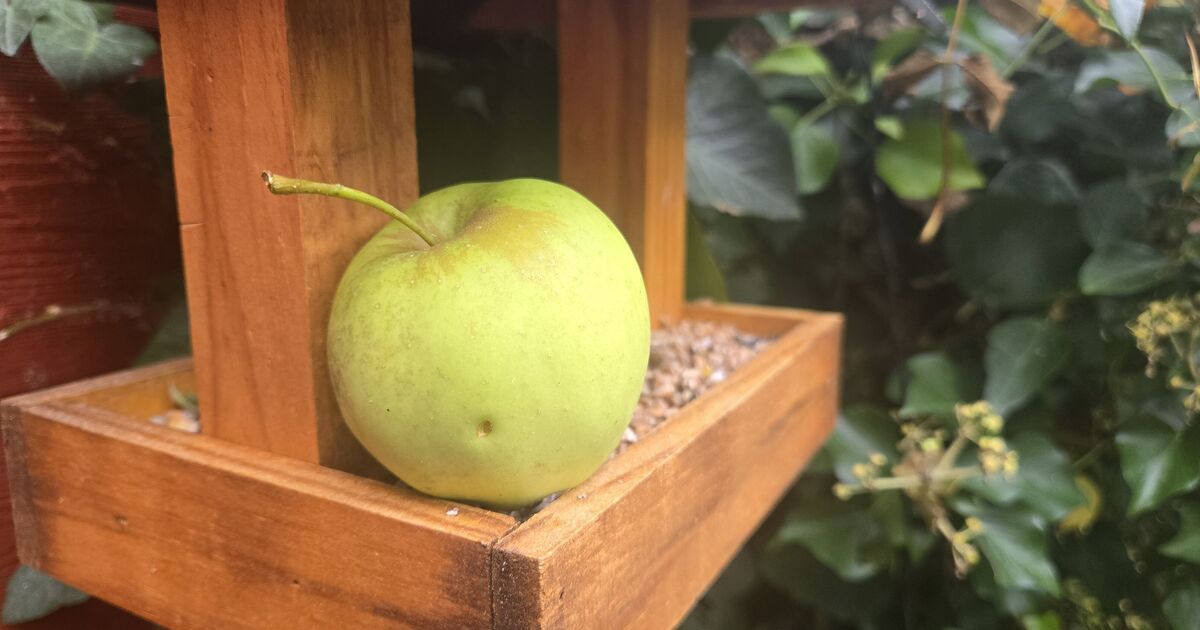
Gardeners who want to do their best to help the birds this autumn are being told they don’t necessarily need to reach for expensive foods or specialist feeds because even a simple fruit can do the trick.
Richard Green, a bird feeding specialist at Kennedy Wild Bird Food & Pet Supplies says there are certain high energy foods gardeners should focus on when feeding birds in October, including foods it sells like suet and mealworms.
But as well as these, gardeners can simply opt for fruits and berries which birds love as winter approaches.
With October bringing colder weather already garden birds need high-energy foods to survive the drop in temperature and build essential fat reserves for winter.
Bird feeding expert Richard Green from Kennedy Wild Bird Food & Pet Supplies says apples and pears are two fruits that are perfect for birds in autumn.
He told the Express: “Autumn hedgerows naturally provide berries and fruit, and you can echo that in the garden. Chopped apples, pears, or soaked raisins are excellent for species that feed on the ground.”
If you want to go one step further, there are more specialist foods that are also perfect for birds as the weather cools.
He added: Autumn is a season when birds need to build up energy reserves, and offering the right foods can make all the difference. Sunflower hearts are one of the best options, providing a high-calorie boost that helps birds prepare for the colder months.
“Suet is another key food to introduce now, helping birds stock up on fat reserves before winter sets in. Even though many people associate suet with frost, it’s just as important in the run-up to winter.
It’s not just about what you leave out of course, but how you leave it out.
The Woodland Trust explains that some birds prefer food to be left on bird tables, while others want hanging feeders and some want ground feeding.
The Trust says: “Many birds, such as tits, sparrows and finches, will tuck into seeds and nuts suspended from hanging feeders or scattered on bird tables. But some birds, such as blackbirds, dunnocks and wrens, avoid them and prefer to forage on the ground, turning over leaf litter and getting stuck into the invertebrates and seeds they find.
“Cater to all tastes by sprinkling crumbled fat balls and seeds beneath shrubs for ground-feeding birds, and smearing fat mixtures into the cracks and crevices of branches and bark for treecreepers, nuthatches and woodpeckers.
“If you can, try moving your bird feeders around your garden every few months or so. This can help: reduce the build-up of mess and the likelihood of pests; prevent ambush predators like cats and sparrowhawks from becoming too familiar with the likely location of unwary prey; reduce territorial behaviour; attract other birds.
“Make sure you position your feeders somewhere sheltered with a little cover nearby (but not so much that birds can be attacked by predators!) It’s worth avoiding walls and other possible ambush posts too. And don’t be disappointed if the birds don’t immediately flock to your new feeders – it can take them a little bit of time to get used to it!”
Comments are closed.