
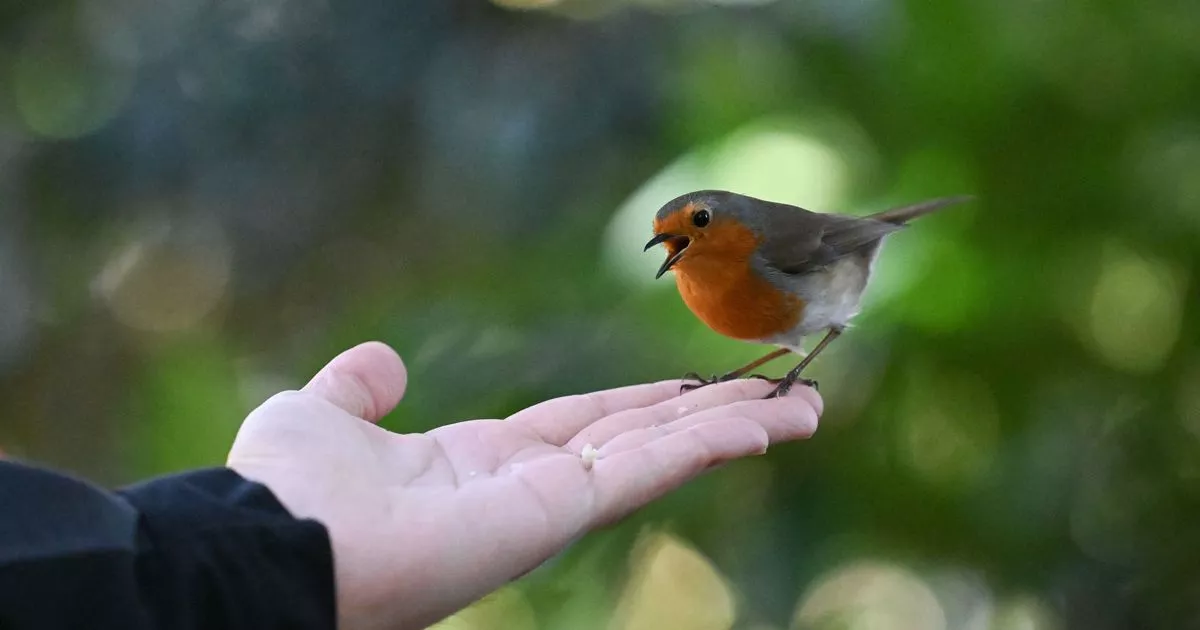
Robins are a common sight in gardens across Ireland but they face different challenges depending on the season
Steffan Rhys Deputy Content Hub Director and Emilia Randall GAU Writer
14:27, 13 Oct 2025
 European robin (Erithacus rubecula) perches on a hand as cherry trees blooming with the arrival of spring at Greenwich Park (stock)(Image: Rasid Necati Aslim/Anadolu via Getty Images )
Robins, commonly associated with winter, are actually found in Ireland year-round but encounter varying challenges across different seasons.
Their primary food source, earthworms, dig deeper underground during warmer, drier conditions, making them harder for robins to find. Winter presents additional difficulties when seeds and berries become scarce and the ground can be frozen too.
Dedicating time to providing food for these delicate birds can dramatically improve their chances of survival and ensure they continue visiting your garden throughout the year. According to reports, there’s one specific tree that can guarantee their return to your garden.
The serviceberry tree produces fruit during summer months and remains a favoured option for the humble robin, according to All About Birds. Wild Ones describes the tree as a “four-season winner,” noting that it “is a favourite of both native landscapers and bird lovers”.
The website highlighted that the tree features a “froth of delicate white blossoms in early spring, luscious blueberries by June, apricot to reddish bronze fall colour, and silver-grey bark for winter interest”, reports Wales Online.
It added: “Birds descend in droves to feed on ripening serviceberries… [lots of] species of birds have been documented feeding on these delicious fruits. Without question, serviceberries are one of the top plants for birds.”
However, if you also keep a bird feeder, stay alert as bushes, trees and even flower borders can offer perfect hiding spots for cats, and most birds won’t feel safe if a feeding station is too near to the ground or next to any vegetation.
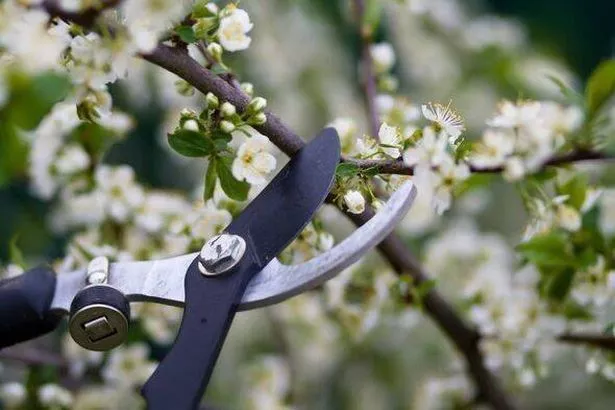 Serviceberry trees(Image: Getty Images)
Positioning a bird feeder close to plants can stress birds and make them less likely to revisit your garden, whilst also potentially harming your outdoor space.
Setting up a bird feeder near your flowerbeds or crops could expose the greenery to bird droppings, which can increase the risk of bacteria, disease or other germs infecting plants.
It’s wise to place your bird feeder in a shaded spot in your garden to keep birds cool, but ensure it’s distant from plants and even fences and sheds to prevent cats from getting to it.
Robins also enjoy fruits, sunflower seeds, crushed peanuts, but they especially love mealworms, so having these will attract them to your garden.
Supplying robins with a consistent food source now boosts their chances of staying healthy and surviving once the colder weather arrives. Taking the time to help them now will ensure your garden becomes a favourite spot for them.
Join our Dublin Live breaking news service on WhatsApp. Click this link to receive your daily dose of Dublin Live content. We also treat our community members to special offers, promotions, and adverts from us and our partners. If you don’t like our community, you can check out any time you like. If you’re curious, you can read our Privacy Notice.
For all the latest news from Dublin and surrounding areas visit our homepage.
Comments are closed.