
Helen Vanella, Master Gardeners of Greene County
| Special to the News-Leader
Do my creeping phlox need to be fertilized in the fall? If so, what kind should I use?
In general, if the soil is good and healthy, there is no need to fertilize creeping phlox. If you feel the soil is lacking in certain nutrients, it is necessary to get a soil test before adding any supplements in order to determine exactly what is needed. If the soil test does indicate deficiencies, it is better to fertilize in the spring when new growth is starting, rather than in the fall when the plants are entering into a dormant state. Instead of fertilizing, I would recommend adding a bit of compost in the spring to give the plants a little boost, but nothing else without a soil test.
Is it OK to move part of my peony plant and leave part in the original location? Is it possible to just slice part out without removing the entire root ball from the ground?
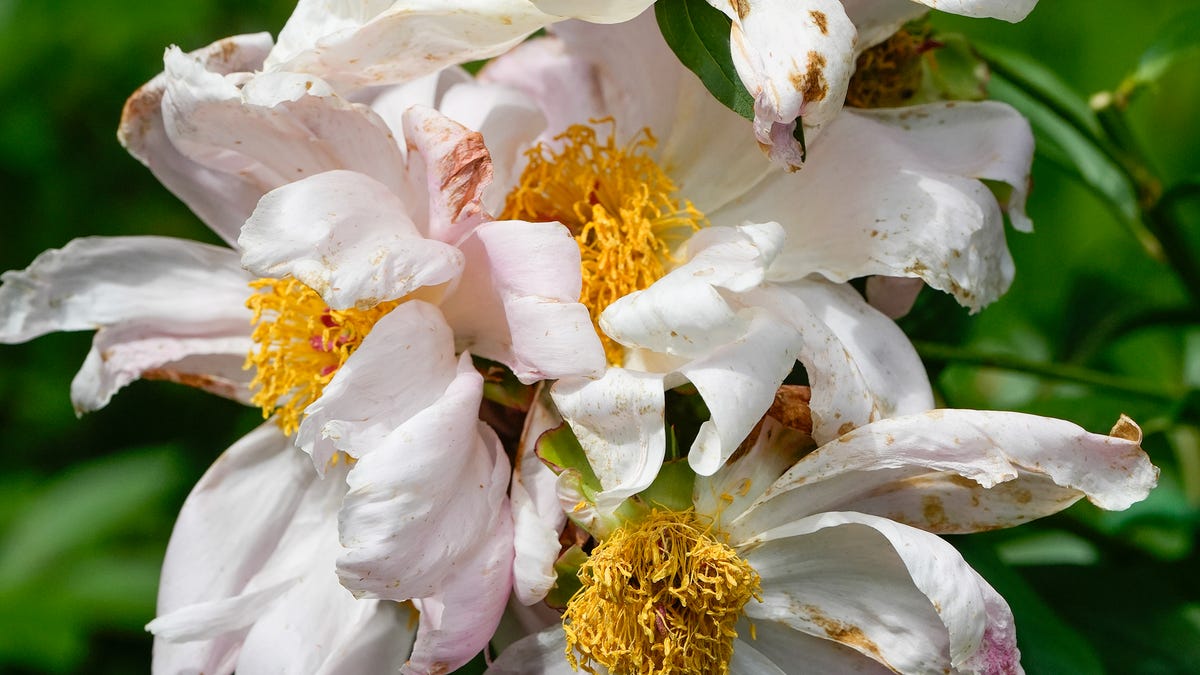
It is possible to move a peony in this manner, because I have done this many times with peonies and other perennials. The important thing is to make sure that each piece has at least one or two “eyes” for growing points in the new location. It will be easier to assure the eyes are included if the entire root ball is dug up, but not essential. Peonies don’t really like to be moved, but can be done if necessary. When moving peonies, also bear in mind that it may take up to three years for the new plant to start blooming.
My peonies have had heavy powdery mildew this summer. I have already cut back all the foliage, but is there something I need to use to treat the soil to prevent this next year?
Powdery mildew is a very common problem with peonies that is unsightly but doesn’t cause lasting harm to the plants. Affected leaves should be removed and disposed of in the trash, not composted. There is nothing you can or should do to the soil to prevent future disease, since this is so common. A preventative spray with a fungicide in the spring could help to prevent some of this, as well as close monitoring of the plants as the season progresses, removing affected leaves and treating with a fungicide as needed.
I have noticed fungus, some type of mushroom, growing around my shrubs and out in the yard. What can I use to keep this from happening?
Mushrooms and other similar fungi in your yard and garden are not a bad thing at all, since they indicate good soil. Fungi are helping break down organic matter in the soil, helping to make the soil more fertile. In almost all cases, there is nothing that needs to be done. If you are concerned about pets or children coming in contact with potentially dangerous fungi, you might consider a mycological (fungi/mushrooms) expert. If concerned about contact with the fungi, manual removal in certain areas can be done, although regrowth will occur.
Readers can pose questions or get more information by calling 417-874-2963 and talking to one of the trained volunteers staffing the Master Gardener Hotline at the University of Missouri Extension Center in Greene County located inside the Botanical Center, 2400 S. Scenic Ave., Springfield, MO 65807.
Comments are closed.