
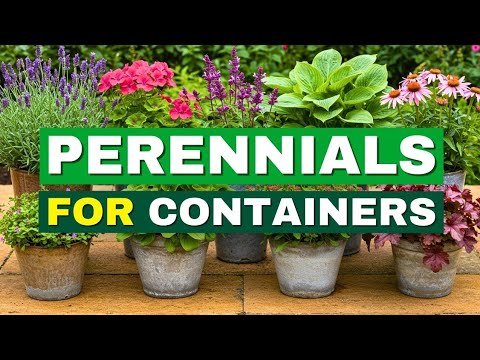
Discover the joy of container gardening with our video on the “Top 7 Easiest Perennials for Container Gardening”! 🌼 Whether you have a small balcony or a spacious patio, these low-maintenance plants will add vibrant color and life to your outdoor space with minimal effort. From eye-catching blooms to resilient greenery, we highlight the best perennials that thrive in pots, making them perfect for busy gardeners.
Join us for tips on care and arrangement, and see how you can create a stunning container display that’s both beautiful and low-effort! Don’t forget to like and share this video if you find it helpful!
#ContainerGardening #Perennials #GardeningTips #LowMaintenanceGardening #GardenDesign
OUTLINE:
00:00:00 Welcome to Container Gardening!
00:00:32 Lavender – A Sensory Delight
00:01:14 Hostas – The Kings and Queens of Shade
00:01:54 Heuchera – A Tapestry of Colour
00:03:59 Sedum – Jewels of the Summer Garden
00:06:14 Daylilies – A Celebration of Summer
00:06:55 Coral Bells – My Personal Favourite
00:08:34 Salvia – A Magnet for Pollinators
00:09:20 Happy Gardening!
Welcome to our channel. Today we’re diving into the world of container gardening. A way of growing that brings the joy and serenity of nature to even the smallest of spaces. If you’re looking for loweffort plants that offer big impact, plants that will thrive in the confines of a pot and reward you with their beauty year after year, you’re in the right place. Let’s explore the top seven easiest perennials for container gardening. plants that I’ve grown myself and seen flourish in even the most unexpected of gardens. Lavender with its silvery foliage and fragrant purple blooms is a true delight in any garden, especially when grown in containers. Imagine stepping out onto your patio, a waft of lavender carried on the breeze, its calming aroma enveloping you. Lavender is not just a feast for the senses, it’s also incredibly lowmaintenance. It thrives in well- drained soil and basks in the warmth of the sun. Choose a terracotta pot. Its porous nature, allowing the soil to breathe, and place it in a sunny spot. Water sparingly, allowing the soil to dry out between waterings. With minimal care, your lavender will reward you with its beauty and fragrance year after year. Now, let’s move on to a plant that thrives in the shade, the hosta. Hostas are renowned for their lush foliage, their leaves unfurling in a symphony of greens, blues, and yellows. They bring a touch of woodland serenity to any container garden. The beauty of hostas lies in their resilience. They tolerate shade remarkably well, making them ideal for balconies or patios that don’t receive direct sunlight. Plant them in a rich, well- drained potting mix and water regularly, ensuring the soil remains moist but not water logged. Hostas are not fussy. They’ll thrive with minimal attention. their foliage providing a calming presence in your container garden. Let’s talk about huta, also known as coral bells. A plant that brings a vibrant splash of color to container gardens. These plants are not just about flowers. Their foliage is the real showstopper. Futuras are admired for their foliage which comes in a dazzling array of colors from deep purples and bronzes to vibrant greens and oranges. Each leaf is like a miniature canvas painted with intricate patterns and hues. The leaves can be ruffled, smooth, or even have a metallic sheen, adding texture and depth to your garden. Imagine a tapestry of colors. Each leaf a work of art cascading over the edge of a container. Futuras are surprisingly easy to grow. They prefer partial shade, making them ideal for balconies or patios that receive a mix of sun and shade. This versatility allows them to thrive in various garden settings. Plant them in well- drained soil and water regularly, allowing the soil to dry out slightly between waterings. This simple care routine ensures that your huturas remain healthy and vibrant throughout the growing season. Futuras are also known for their resilience. They can withstand a range of temperatures and are relatively pest resistant, making them a lowmaintenance option for gardeners of all skill levels. In addition to their stunning foliage, futurists produce delicate bell-shaped flowers on tall, slender stems. These flowers add an extra layer of beauty and attract pollinators like bees and butterflies to your garden. Whether you’re looking to add a pop of color to a shady corner or create a vibrant container garden, hukuras are a fantastic choice. Their diverse range of colors and textures can complement any garden design. With minimal effort, you can enjoy the vibrant display of hukurus in your container garden. Their unique foliage and easy care make them a favorite among gardeners. So why not give hutus a try? Add them to your garden and watch as they transform your space into a tapestry of color and texture. Happy gardening. With their stunning foliage and easy care, futurists are sure to become a cherished part of your garden. Enjoy the beauty and simplicity they bring to your outdoor space. Now, let’s move on to a plant that thrives in the sunshine. Sedum. This resilient and versatile plant is a true gem in any summer garden. Known for its ability to flourish in the most challenging conditions, sedums with their fleshy leaves and vibrant flowerheads are a favorite amongst gardeners, these plants come in a variety of shapes, sizes, and colors, making them a versatile choice for any garden design. From ground covers to tall upright varieties, there’s a sedum for every spot in your garden. They bring a touch of architectural elegance to container gardens. Their sturdy stems standing tall even in the face of wind and rain. Sedums are not just beautiful, they are also incredibly hearty. Their thick succulent leaves store water, allowing them to withstand dry spells and harsh weather conditions. Sedums are incredibly drought tolerant, making them perfect for those who tend to forget to water their plants. Their ability to thrive in dry, poor soil conditions makes them an excellent choice for rock gardens, slopes, and other challenging areas where other plants might struggle. They thrive in well- drained soil and bask in the warmth of the sun. Sedums love the sun and need at least 6 hours of direct sunlight each day to perform their best. In return, they will reward you with a stunning display of flowers that attract bees, butterflies, and other pollinators. Choose a terracotta pot. Its porous nature, allowing the soil to breathe, and place it in a sunny spot. Terra cotta pots are ideal for sedums because they help prevent overwatering which is one of the few things that can harm these otherwise tough plants. Water sparingly, allowing the soil to dry out completely between waterings. Overwatering can lead to root rot, so it’s important to let the soil dry out between waterings. Sedums are lowmaintenance plants that don’t require much attention, making them perfect for busy gardeners. With minimal care, your sedums will reward you with their architectural beauty and vibrant blooms year after year. These plants are not only easy to grow, but also easy to propagate. Simply take a cutting, let it dry for a day or two, and then plant it in well- drained soil. Before you know it, you’ll have a new sedum plant to add to your collection. Chapter 5. Dillies with their trumpet-shaped blooms in a kaleidoscope of colors are a true celebration of summer. Each flower lasts only a day, hence their name, but the plant produces an abundance of buds, ensuring a continuous display of color throughout the summer months. Dillies are surprisingly easy to grow in containers. They prefer a sunny spot and well- drained soil. Plant them in a large container as they tend to spread and water regularly, ensuring the soil remains moist but not water logged. With minimal care, your dlies will reward you with their vibrant blooms, bringing a touch of summer cheer to your container garden. Chapter 6. Now, let’s talk about a plant that holds a special place in my heart. Coral bells or hutra. These plants are not only visually stunning, but also incredibly resilient, making them a favorite among gardeners of all skill levels. I remember planting my first huta many years ago in a shady corner of my garden. It was a small, unassuming plant at first, but I had high hopes for it. I was drawn to its delicate foliage, the leaves a deep shade of purple, almost black, with intricate veins that shimmerred in the sunlight. The way the light played off the leaves was mesmerizing, and I knew I had found something special. To my surprise, it thrived in that shady corner, its foliage becoming more vibrant with each passing season. It was as if the plant had found its perfect home, and it rewarded me with its stunning display year after year. Since then, I’ve been a firm believer in the power of hutus to transform even the most challenging of spaces. Whether it’s a shady corner or a sunny spot, these plants can adapt and thrive, bringing beauty and life to any garden. They’re incredibly versatile, tolerating a wide range of conditions, and their foliage provides yearround interest. In the spring and summer, their leaves are vibrant and full of life, while in the fall and winter, they take on a more subdued yet still beautiful appearance. If you’re looking for a lowmaintenance plant that offers big impact, look no further than the humble huta. They require minimal care, yet they provide maximum beauty, making them a perfect choice for any garden. So whether you’re a seasoned gardener or just starting out, consider adding hutus to your garden. You won’t be disappointed. Chapter 7. Finally, let’s talk about salvia. A plant that’s not only beautiful but also beneficial to wildlife. Salvas with their spires of vibrant flowers are a magnet for pollinators, attracting bees, butterflies, and hummingbirds to your container garden. They’re incredibly easy to grow, thriving in well- drained soil and a sunny spot. Choose a variety that suits your taste. From the deep purple blooms of keradana to the vibrant red flowers of hot lips, water regularly, allowing the soil to dry out slightly between waterings and dead head spent blooms to encourage more flowers. With minimal care, your salvas will reward you with their vibrant blooms and attract a flurry of pollinators to your container garden. Thanks for watching. We hope you found this list of easy torow perennials helpful for your container garden. Remember, even in the smallest of spaces, you can create a haven for yourself and for wildlife. Don’t forget to like, subscribe, and hit the bell icon for more gardening tips and tricks. Happy gardening.
Comments are closed.