
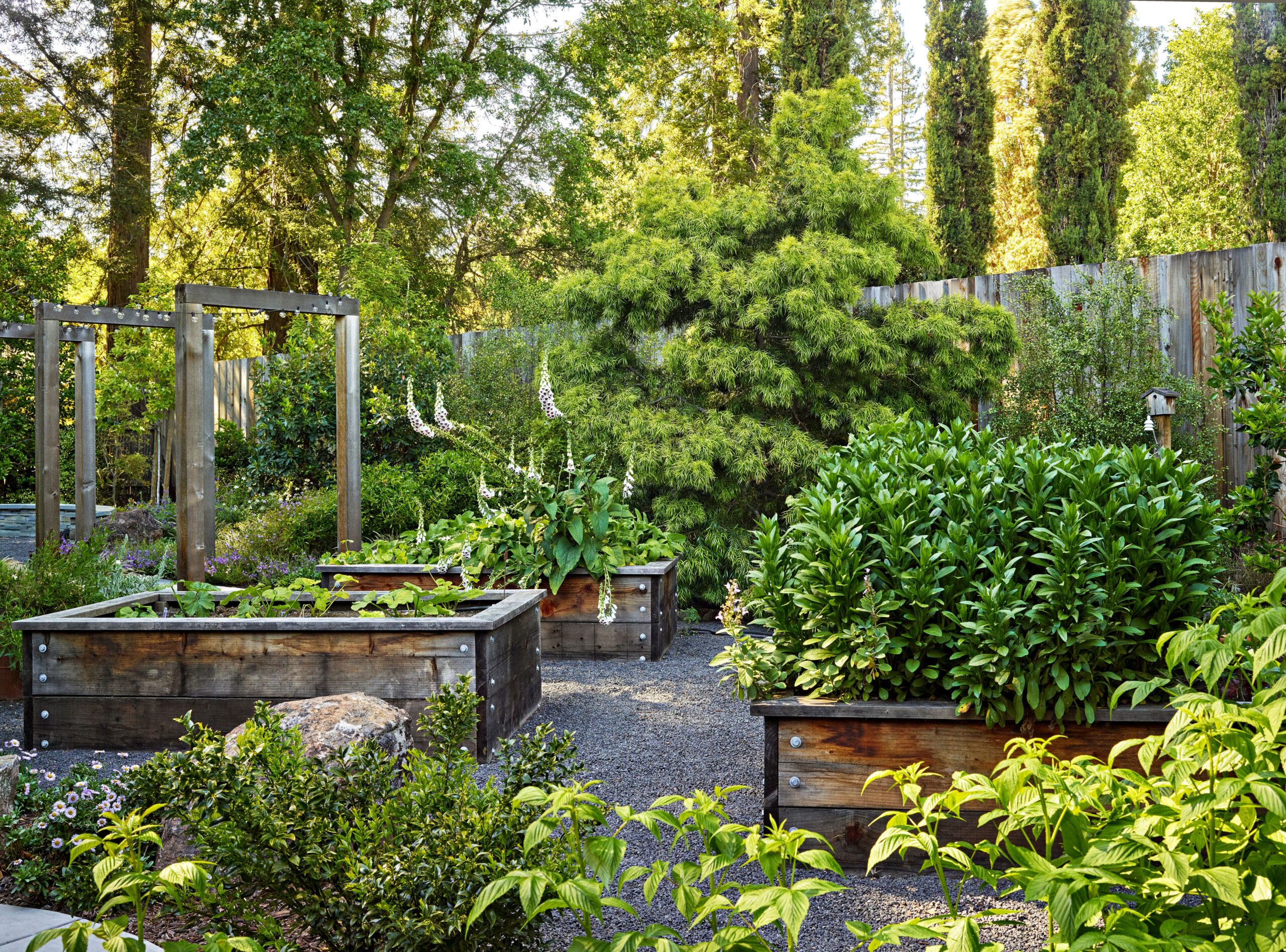
Unpredictable weather and seasonal shifts have always thrown a wrench into gardeners’ best-laid plans, but you’re not alone in feeling like things seem different now compared to even a few years ago. Heat waves are lasting longer, rain comes in floods sandwiched between droughts, and new pests are suddenly abundant and chomping on what were your garden’s most trouble-free plants.
Before you throw up your hands in despair, there’s some good news. It’s possible to create what experts are calling a “climate-resilient garden” that can take all of that in stride.
Kier Holmes is a landscape designer and co-author of Designing the Lush Dry Garden.
What Is a Climate-Resilient Garden?
As the name implies, a climate-resilient garden can handle droughts, deluges, and other weather extremes without lasting damage.
“A climate-resilient garden is an approach honoring—and in sync with—your regional environment,” says Kier Holmes, a landscape designer and co-author (along with Cricket Riley and Alice Kitajima) of Designing the Lush Dry Garden. “It’s a garden that’s both sustainable and adaptable to erratic climate fluctuations.”
Creating a climate-resilient garden isn’t about predicting exactly what Mother Nature will throw your way next. Instead, it’s about building a space that can adapt and thrive in uncertain circumstances. It’s also a reminder that our gardens are part of a much larger ecosystem that extends well past our own property.
“Gardening with climate resiliency in mind is important because our gardens are just a piece in a much bigger puzzle, and we need to think beyond our own spaces and horticultural ideals,” Holmes says.
How to Create a Climate-Resilient Garden
According to Holmes, the following strategies are key for building a garden that can stand up to challenging weather conditions.
1. Complete a Site Analysis
Whether you’re building a garden from scratch or overhauling an existing space, the first step to climate-resilient gardening is conducting a thorough site analysis. Either on your own or with a professional landscape designer, take the time to get the lay of your land. Watch for when the sun hits different sections of your garden, how water drains after a heavy rain, and what critters (large and small) like to stop by for a visit. Doing so can help set you up for success before you start digging.
After your analysis, start researching what plants will thrive in your space. Research your hardiness zone and plants from similar climates, and even take a walk and see what’s thriving in your neighborhood. The goal is to find plants that will be good candidates for your climate-resilient design.
In their book, Holmes and her co-authors explain that planting with your site conditions in mind has many benefits, including conserving resources, like water, fertilizers, labor, financial savings, and positive environmental impacts. “But ultimately, by starting from a point of resilience, you spend more time enjoying your garden and less time struggling to keep it alive,” they write.
2. Know Your Soil
Take time to learn everything you can about your soil, specifically its type (such as clay, sand, or loamy) and its existing nutrients. You don’t need to be a soil scientist to get all the dirt on your soil. A simple home test can get you started, or if you’re looking for more detailed information, send samples to an expert. Just be sure to test multiple areas of your garden—you may be surprised by the difference even a few feet can make.
After you have your soil results, you can make any necessary amendments to your soil and make more informed decisions about the types of plants that will thrive in your garden. Testing can also help prevent over-fertilizing, which can have a negative impact on your local environment and cost you a pretty penny.
“A garden is resilient if it can withstand weather fluctuations and still thrive,” Holmes and her co-authors write in their book. “One of the keys to a garden having this strength (and being lower maintenance in the process) is for the soil to be appropriate for the plant palette and vice versa.”
3. Install an Irrigation System
Another aspect of being a successful home gardener is being brutally honest about how much time you can actually spend outside with your plants. In those dreamy, idealistic winter months, it’s easy to imagine waking up early every spring and summer morning to hand-water your garden. However, in reality, that may be a challenging practice to maintain.
With that in mind, Holmes and her co-authors recommend installing an irrigation system because it’s the most efficient method to provide water to your plants. They also point out that irrigation systems help to conserve money and water.
Whether you install a drip or low-flow rotor sprinkler system depends on your plants, location, and personal preferences. Drip irrigation is often considered the most efficient option, but Holmes notes this system involves introducing a lot more plastic into your landscape. Ultimately, weigh the pros and cons to make a decision that works best for you and your garden.
4. Choose Plants Wisely
It’s important to pick plants that thrive in your region and the unique light, soil, and topographical conditions of your garden. What’s less important to a climate-resilient garden is solely growing native plants.
According to Holmes, plants native to your region are important because they’re adapted to your local climate and conditions. They also support local ecosystems, increase biodiversity, and provide critical ecological benefits. This doesn’t mean you should dismiss non-native plants from other regions in the U.S. or even other parts of the world with similar weather and growing conditions. Many Mediterranean and South African plants, for example, thrive in the San Francisco Bay Area’s temperate climate.
“You can find non-native, climate-appropriate plants that are pros at conserving water, but that are also hardy, visually attractive, and pollinator friendly,” Holmes says. As a result, she adds, “We believe that a smart mix of native and non-native plants can work in harmony to create an attractive and climate-resilient garden full of color, texture, pattern, and year-round interest.”
For her garden design clients in Marin County, Holmes favors a combination of California native and non-native plants, including salvias, agaves, aloes, and manzanitas. “I’m also drawn to plants that are great at multitasking,” she says. “Plants that can serve many purposes like feeding pollinators, making a unique cut flower, saving water, being low maintenance, and resisting nibbly deer.”
5. Embrace the Power of Mulch
Holmes and her co-authors describe mulch as the “fancy icing on the cake” that pulls a garden together and gives it a professional, finished look. But there’s more to mulch than aesthetics and finishing touches. It also plays a significant role in creating a garden that can handle the whiplash of climate change.
Mulch covers up exposed soil, protecting it from erosion. It also prevents the ground from drying out quickly by slowing down evaporation, which saves precious water. And it helps suppress weeds while supporting a thriving soil microbiome filled with fungal, insect, and earthworm activity.
“Mulch is one of gardening’s oldest techniques to protect the roots of plants from cold, heat, and drought as well as to encourage healthy mycorrhizal (fungal) activity in the soil,” Holmes and her co-authors say.
Comments are closed.