
🇺🇸 USA | 🇬🇧 UK | 🇨🇦 Canada
20 Bulletproof Perennial Plants Script – Seniors Gardening Advice 🌿🌸
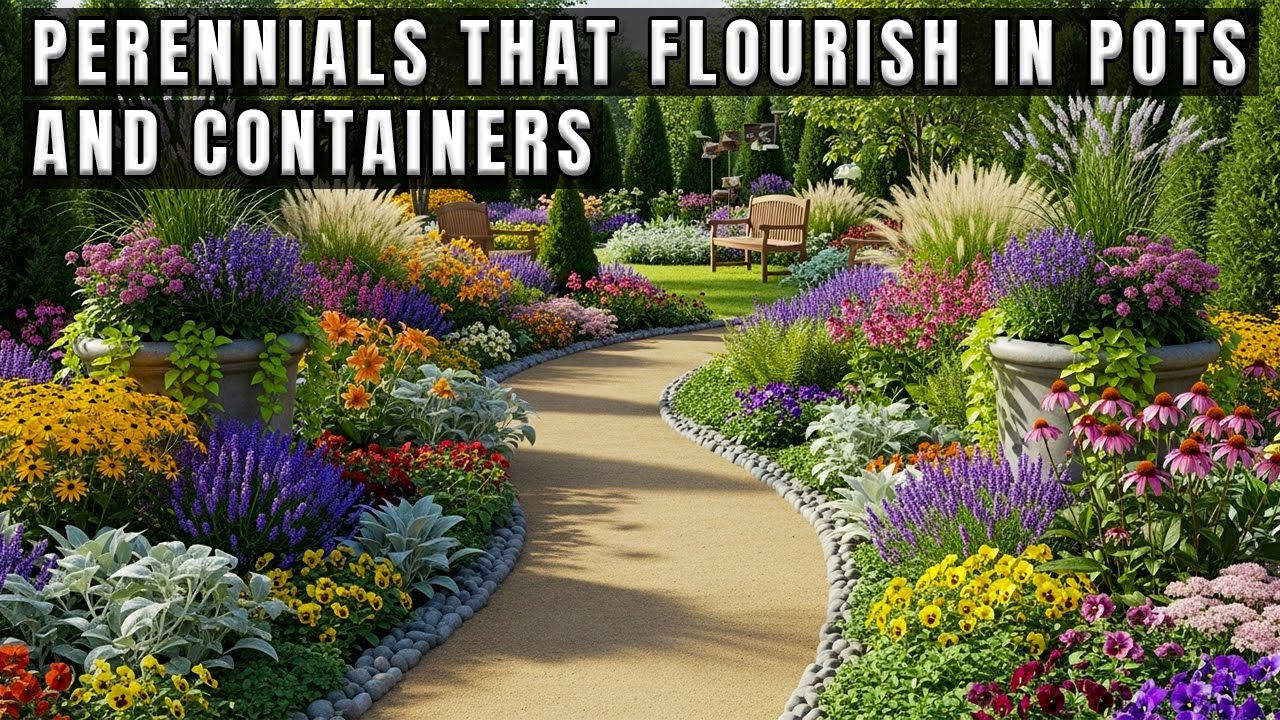
Are you ready to transform your containers into stunning, low-maintenance masterpieces? In this video, James from Seniors Gardening Advice reveals 20 perennial plants that thrive in containers, even if you’ve struggled with “plant casualties” before! 🌱💪
From drought-tolerant warriors to shade-loving beauties, showstopping color champions, and winter-ready stars, these plants will make your garden look professionally designed with minimal effort. Perfect for seniors or anyone who wants a gorgeous garden without constant maintenance!
🌞 Section 1: Drought Warriors (Plants 1-6)
Sedum – “Live Forever” succulent that survives months without water 🌵
Lavender – Fragrant, hardy, and thrives on neglect 💜
Russian Sage – Silvery stems and long-lasting blooms 🌿
Hen and Chicks – Endless baby plants for effortless propagation 🐣
Catmint – Continuous blooms and aromatic foliage 🌸
Black-Eyed Susan – Sunshine in a pot with minimal care 🌻
🌑 Section 2: Shade Superstars (Plants 7-11)
Hostas – Perfect for shady spots, long-lived, and low-maintenance 🍃
Coral Bells (Heuchera) – Colorful foliage year-round 🌈
Astilbe – Feathery plumes that wow in shade 🌸
Japanese Painted Fern – Exotic, elegant, and hardy 🌿
Bergenia – Evergreen leaves with early spring blooms 💚
🌺 Section 3: Showstopping Color Champions (Plants 12-16)
Daylilies – Endless blooms with zero fuss 🌼
Coneflowers (Echinacea) – Colorful flowers that attract birds 🐦
Ornamental Grasses – Texture, movement, and year-round beauty 🌾
Lamb’s Ear – Gets more silvery and beautiful when neglected 🐑
Sedum Autumn Fire – Four-season beauty with vibrant foliage 🍂
❄ Section 4: Winter Warriors (Plants 17-20)
Hellebores – Bloom through snow and ice ❄
Winter Coral Bells – Foliage color intensifies in cold weather 🌈
Evergreen Ferns – Provide structure and greenery all winter 🌿
Winter-Blooming Pansies – Cheerful blooms even in frost 🌸
💡 3 Crucial Secrets for Container Success:
Drainage is Everything – Prevent soggy roots 🚰
Size Matters – Bigger containers = healthier, low-maintenance plants 🪴
Set-and-Forget Soil Mix – Lightweight, well-draining, nutrient-rich 🌱
By following these tips, your container garden will thrive year after year with minimal effort. These 20 perennials are perfect for seniors, beginners, or anyone who wants professional-looking gardens without high-maintenance stress!
👍 Like this video if these plants amazed you
🔔 Subscribe to Seniors Gardening Advice for weekly gardening tips
💬 Comment which five plants you’ll try first
📤 Share this video with anyone who struggles with “black thumb” gardening
Remember: The most beautiful gardens often thrive when you step back and let nature do its magic. These 20 perennials are your key to effortless, thriving container gardens! 🌿🌸🌞
#ContainerGardening #Perennials #SeniorsGardening #LowMaintenancePlants #GardeningTips #LazyGardener #DroughtTolerantPlants #ShadePlants #WinterGarden #USA #UK #Canada
20 plants that come back year after year without fail. That’s exactly what Michael from Senior’s Gardening Advice is sharing with you right now. These container champions return stronger, bigger, and more beautiful every single season, even when you forget to water them for weeks. We’re talking about plants so tough they practically take care of themselves while creating displays that look like professional landscapers designed them. Right now, smash that subscribe button and turn on notifications because this month alone, we’re sharing more than 70 proven gardening techniques that eliminate guesswork and guarantee success. Go ahead and comment below. Tell us which plant gave you the most trouble last season. By the end of this video, you’ll know exactly how to avoid those mistakes forever. Why these plants work? After working with soil and plants for over 35 years, I’ve learned something important. The most successful gardens aren’t the ones you fuss over daily. They’re the ones built around plants that naturally thrive with minimal interference. These 20 perennial champions represent years of testing, observing, and discovering which plants deliver maximum beauty with minimum effort. Each plant on this list has earned its place by surviving realworld conditions, scorching summers, unexpected droughts, busy schedules, and yes, even gardener forgetfulness. By the time we finish exploring these options together, you’ll have a complete blueprint for creating containers that impress neighbors while requiring almost no daily maintenance. Keep watching because plant number 18 will absolutely amaze you. It actually gets more colorful and attractive when temperatures drop below freezing. Plus, I’ll share three essential secrets at the end that guarantee every one of these plants thrives in your specific growing conditions. Section one, the ultimate drop warriors. Plants 1 through six. Let’s kick off with the plants that basically mock water shortages. These six incredible champions will completely change everything you believed about needy, highmaintenance gardening forever. Plant number one, sedum. Live forever. Sedum earned its nickname live forever for excellent reasons. This name isn’t marketing hype. This remarkable succulent perennial needs watering maybe once every three or four weeks during the hottest summer months. Here’s the fascinating science behind this superpower. Those thick, meaty leaves function like miniature water reservoirs. Every single leaf stores several weeks worth of precious moisture. I’ve personally witnessed sedum survive a staggering 3 4 months without any water whatsoever and bounce back more vigorous than before. The variety selection is absolutely mindblowing. Autumn Joy transforms into gorgeous dusty pink shades during fall weather. Dragon’s Blood creates stunning red carpets across your container surfaces. Matrona stands tall and proud with vibrant pink flower clusters. The incredible bonus, they multiply naturally and effortlessly, so one modest plant eventually becomes an entire thriving collection. Here’s something most garden enthusiasts never learn. Sedums actually experience beneficial stress and produce dramatically more vibrant and intense colors when you slightly underwater them. It’s like they’re programmed to reward your forgetfulness with enhanced beauty. Before we continue, smash that like button if you’re already amazed by these droughtdefying superstars. Your support helps our seniors gardening advice community grow stronger every day. Plant number two, lavender. Lavender isn’t just absolutely gorgeous and wonderfully fragrant, it’s practically bulletproof in container environments. Here’s the crucial lazy gardener secret that most people completely misunderstand. The worse your natural soil drainage becomes, the more lavender plants struggle and fail. However, in properly prepared containers, lavender finds absolute paradise. Lavender originally evolved in the harsh, rocky, bone, dry hills of the Mediterranean region. This means it’s genetically programmed to not just survive, but absolutely thrive on calculated neglect. My planting method is beautifully simple. I plant new lavender in spring weather, water thoroughly for approximately four weeks, then basically pretend it doesn’t exist. The incredible result, months and months of fragrant purple spikes that smell absolutely heavenly and attract every single bee within miles. English lavender proves the most cold, hearty variety, surviving brutal winters and returning significantly larger each passing year. French lavender features those adorable little rabbit ear petals dancing on top. Spanish lavender brooms almost continuously throughout the growing season. Professional tip that will shock you. Never ever fertilize lavender plants. Rich, nutritious soil makes them grow weak, soft, and vulnerable. Poor lean soil creates aromatic, tough, resilient plants. Lavender is literally the one plant that actually prefers staying slightly hungry and thirsty. Plant number three, Russian sage. Russian sage is like having a professional landscape designer’s bestkept secret weapon sitting right in your container collection. This plant delivers pure magic with silvery white stems, delicate blue, purple flower clusters, and an airy, sophisticated texture that makes everything surrounding it appear more elegant and refined. Once properly established, you could literally disappear on a month-long vacation and return home to discover it more beautiful and impressive than when you departed. Russian sage grows approximately 3 feet tall and equally wide, making it perfect for large dramatic containers or serving as a stunning backdrop plant behind shorter specimens. The flower show runs from midsummer straight through fall and even after blooms fade away. The attractive silvery structure continues looking absolutely stunning throughout winter months. I’ve never encountered a single pest bothering Russian sage. Deer completely avoid it, and it actually grows tougher and more beautiful during hot, dry weather conditions. The only maintenance requirement involves one hard cutting back during late winter. Simply chop everything down to roughly 6 in, and it explodes back with renewed vigor. Russian sage is completely drought tolerant, deer resistant, and virtually pestfree. What more could any lazy gardener possibly desire? Plant hashmark 4 hen and chicks. Hen and chicks represent the gift that keeps giving forever. They literally create babies without requiring any assistance whatsoever from you. One single container becomes three containers, then five. Then you’re generously sharing plants with every neighbor on your block. These incredible succulent plants form absolutely perfect rosettes that look exactly like living roses crafted from beautiful jade. The hen represents the main parent plant, while chicks are the adorable baby plants that naturally pop up around the outer edges. Every single chick can be carefully separated and planted independently, creating an endless sustainable supply of brand new plants. The variety options are absolutely amazing. Some display bright emerald green coloring while others showcase deep burgundy red tones. Some varieties have fuzzy soft textures while others remain smooth and waxy. Cobweb hen and chicks appear covered in delicate spiderw webs. Red beauty transforms burgundy during cool weather periods. Blueboy displays an incredible blue gray coloring that’s simply stunning. They require virtually zero water once properly established in containers. They’re completely cold hearty and thrive happily in the shallowest containers imaginable. I currently have specimens in containers only 4 in deep and they’ve been thriving beautifully for many years running. Share this video with someone who needs these amazing lowmaintenance plant ideas. They’ll thank you forever. Plant number five, Catmint. Catmint resembles Catnip’s sophisticated college educated cousin who earned a degree in looking absolutely gorgeous year after year. It produces continuous blooms from early spring straight through hard frost with magnificent clouds of blue purple flowers that butterflies go absolutely crazy for. The lazy factor is unbeatable. Cut everything back once during med. Simply give plants a complete buzz cut after the first major flush of blooms finishes. Then completely forget about them. They’ll return with significantly more flowers and bloom continuously until hard frost arrives. Catmint naturally forms perfect rounded mounds approximately 18 in tall and equally wide, making it absolutely ideal for container gardening. The attractive foliage displays gray green coloring and releases wonderful aromatic scents when you accidentally brush against it, creating this marvelous herbal fragrance. Unlike regular catnip, most cats completely ignore cat varieties, so you won’t worry about neighborhood cats constantly rolling around in your precious containers. Walker’s Low represents the most popular variety and demonstrates incredible drought tolerance once properly established. Six Hills Giant grows bigger and more dramatic for larger containers. Here’s something truly amazing. Catint remains virtually pest and disease-free throughout the entire growing season. I’ve never spotted aphids, spidermitites, or any other common problems affecting cat plants. It’s like nature designed the perfect lowmaintenance plant specifically for busy gardeners. Plant number six, Blackeyed Susan. Blackeyed Susan is like captured sunshine in a pot that continues blooming regardless of whatever challenges you throw at it. Drought conditions, intense heat, complete neglect. It just keeps producing more flowers. This cheerful perennial produces masses of golden yellow flowers with distinctive dark centers from midsummer straight through fall weather. When I say masses, I mean serious quantities. One mature established plant can easily display over 150 blooms simultaneously. Goldm represents the classic variety that has won multiple awards for excellent reasons. It’s incredibly reliable and blooms for exceptionally long periods. Cherokee Sunset features semi-double flowers resembling miniature suns. Prairie Sun displays yellow petals with bright green centers instead of traditional dark ones. The best aspect about blackeyed susans in containers is their self-seeding nature, producing volunteer seedlings you can pot up or share generously with gardening friends. They also serve as incredible wildlife magnets. Butterflies, busy bees, and goldfinches all flock enthusiastically to these cheerful flowers. During late fall, I deliberately leave spent seed heads attached because they provide valuable food sources for birds throughout harsh winter months. The plants themselves are completely cold hearty and actually perform significantly better during their second and third years compared to brand new plantings. I water mine maybe once weekly during the hottest summer weather. Never fertilize them and they reward this minimal care with months of continuous reliable color. They’re also completely resistant to deer and rabbit damage. Section two, the shade superstars. Plants 7 through 11. Now, for those challenging shady spots that make most gardeners completely throw up their hands in total defeat, these five shade superstars will transform your problem areas into your proudest gardening accomplishments that neighbors will constantly ask about. Plant number seven, hostas. Hostas represent the ultimate lazy gardener’s best friend for challenging shade areas. Here’s exactly why. Plant once, then enjoy for literally decades. I currently have hostas growing in containers that are over 18 years old, and they become more beautiful and impressive every single year. The secret most people never discover. They’re actually more spectacular in containers than planted directly in ground soil because you can control their growing conditions perfectly. In containers, you completely eliminate their biggest natural enemies, destructive slugs and poor drainage issues. Hostas come in absolutely incredible variety. Some varieties have leaves as tiny as quarters, while others boast leaves bigger than dinner plates. Sum and substance has enormous chartreuse leaves that actually glow in shade like they’re magically lit from within. Blue Angel displays huge blue gray leaves with fragrant white flowers. Patriot has attractive green leaves with crisp white edges that looked hand painted by artists. The fragrant varieties like fragrant bouquet produce flowers that smell exactly like gardinas during blooming season. Here’s the absolute best part about hostas in containers. You can easily move them around your property. Display them on shady decks during summer months. then relocate them to protected spots for winter weather. They’re completely cold hearty, deer resistant, and the only maintenance they require involves cutting back flower stalks if you don’t want seeds and dividing them every few years to create more plants. One original hosta becomes three plants, then six, then you’re sharing with everyone you know. Plant number eight, coral bells, huchera. Coral bells provide year round color without depending solely on flowers for visual impact. Purple, silver, lime green, bright orange, deep burgundy. It’s like having a living rainbow that thrives on calculated neglect. These incredible perennials have completely revolutionized shade gardening because they provide constant color from their stunning foliage alone, regardless of blooming cycles. Palace Purple has deep burgundy leaves that appear almost black in certain lighting. Lime Ricky glows chartreuse even in deep shade conditions. Silver scrolls looks like someone carefully painted silver patterns on purple leaves. Fire Chief changes from red to orange to burgundy throughout seasons. The delicate flowers are simply a bonus. Graceful spikes that dance above foliage during early summer. But even without flowers, Hutera puts on spectacular shows all season long. They remain evergreen in mild climates, providing color even during winter months. In containers, they’re absolutely perfect because they don’t spread aggressively like they sometimes do when planted directly in ground soil. Instead, they form neat, compact clumps that look sophisticated and intentional. I water mine approximately once weekly during summer heat, never fertilize them, and they reward minimal care with constant beauty. They’re also incredibly long lived. I have some approaching their 10th year with absolutely no signs of slowing down. Plant number nine, a stillbe. Here’s a plant that shocks everyone who sees it blooming. A stillbe produces these incredible feathery flowers that appear highmaintenance but are actually bulletproof in shade containers. When people see a stillbe blooming, they automatically assume it must be difficult to grow because the flowers are so spectacular and professional looking. The truth once properly established as stillies are nearly indestructible in shade container environments. These remarkable perennials produce plumes of flowers in white, pink, red, purple, and peach that look like colorful feathers dancing above fernie foliage. Bridal veil has pure white plumes that glow beautifully in shade. Fenol displays deep red flowers with dark foliage. Deutseland blooms early with pristine white flowers. The impressive blooming season lasts for many weeks, and even after flowers fade away, the attractive foliage stays beautiful all season long. In containers, Estelbees are happy with morning sun or bright shade, and they actually prefer consistent moisture, which is easy to provide in container environments. They’re completely cold hearty, deer resistant, and divide naturally every few years to provide more plants. The spent flower plumes can be left attached for winter interest or cut back for a tidier appearance. Either way, they return reliably every spring with even more impressive flowers. Hit that subscribe button and join our senior’s gardening advice family if you’re loving these shade solutions. Plant number 10, Japanese painted fern. This fern looks so exotic that people will assume you hired a professional landscaper. Reality check. Water occasionally, ignore completely. Japanese painted fern is hands down the most beautiful fern you can possibly grow, and it’s ridiculously easy in container environments. The fronds displays silver gray coloring with purple stems and green edges. It looks like someone carefully painted each individual leaf with metallic paint. Burgundy lace has more purple tones throughout. Silver Falls cascades beautifully from containers and ghost appears almost pure silver in shade conditions. These ferns are completely different from boring green ferns most people think about. They light up shady corners like living sculptures, creating focal points that draw attention and compliments. In containers, they’re perfect because they stay compact and well behaved. They never become invasive, never need dividing, and they’re incredibly drought tolerant once established. I water mine when I remember, which honestly isn’t very often, and they always look perfect. They die back during winter, but return reliably in spring with fresh, colorful fronds. They’re also deerproof, slugresistant, and virtually pestfree throughout the growing season. Plant number 11, Burgania. Burgania is the ultimate set it and forget it plant. glossy leaves year round early spring flowers and it actually prefers being slightly ignored rather than pampered. Burgania has these incredible thick glossy leaves that look almost tropical, but it’s completely cold hearty. The leaves are huge, sometimes 8 in across, and they form perfect rosettes. In spring, clusters of pink or white flowers appear on tall stems before most other plants are even waking up from winter dormcancy. Winter glow has leaves that turn burgundy red during cold weather. Baby doll is more compact for smaller containers. The best part about Burgania is that it’s evergreen, providing year round structure and interest from your containers. It tolerates deep shade, drought, poor soil, and complete neglect. I planted some Burgania 6 years ago, watered it thoroughly initially, and have basically ignored it since. It’s never looked better. The thick, waxy leaves shed water and resist damage from wind and weather. It’s like having a permanent living sculpture in your shade containers. Section three, the showstoppping color champions. Plants 12 through 16. Now we’re reaching the plants that will make neighbors stop their cars and ask for your gardening secrets. These five colorful showstoppers prove that the most spectacular gardens are often the easiest ones to maintain. Plant number 12, dlies. Dillies are the workh horses of lazy gardening. Each individual bloom lasts exactly one day, but each plant produces dozens and dozens of buds continuously. It’s like having a flower subscription service that never ends or sends you bills. I have dlies that have been blooming continuously from June through September with brand new flowers opening every single day without fail. The variety in dillies is absolutely incredible. They come in every color except true blue and pure white. Stella Dioro is the classic yellow that blooms all season long. Purple Dioro is the purple version that’s equally reliable. Happy returns is pale yellow and blooms from spring to frost. Pardon me has red flowers with yellow throats. Some varieties are fragrant, some bloom at night, some have double flowers, and some have flowers as large as dinner plates. In containers, dlies are incredibly easy because they’re so adaptable. They’ll accept full sun or partial shade, wet conditions or dry conditions, rich soil or poor soil. Once established, I water mine maybe twice weekly in summer and never fertilize them. They multiply naturally, so every few years you can divide them and have more plants to fill additional containers or share with gardening friends. They’re also completely cold hearty, deer resistant, and virtually pestfree. The only maintenance is deadheading spent blooms if you want continuous blooming, but even that’s optional. Plant number 13, cone flowers, echgonatia. Cone flowers are the triple threat. gorgeous blooms. They attract birds when they go to seed and they multiply naturally. Three benefits from one lazy planting decision. Cone flowers have become incredibly popular in recent years because plantreeders have developed amazing new varieties in colors that didn’t exist when I started gardening decades ago. The classic purple Magnus is still gorgeous and reliable, but now we have white swan, orange meadowbrite, pink double delight, green jewel, and even hot papaya. That’s bright orange red. The flowers bloom for months if you dead head them regularly. But here’s the cool part. If you stop deadheading in late summer, the seed heads that form are absolutely gorgeous and provide food for goldfinches and other birds through fall and winter. In containers, cone flowers are perfect because they’re drought tolerant once established. They don’t need fertilizer and actually perform better in slightly lean conditions. Rich soil makes them grow too tall and floppy. They selfseed readily, so you’ll get volunteer seedlings that might be different colors than the parents. They’re also incredibly longived. I have some that are going on 12 years with no signs of slowing down. They’re deer resistant, drought tolerant, and virtually maintenance-free once established. Plant number 14, ornamental grasses. Ornamental grasses add movement and texture with absolutely zero maintenance. Plant them, water them initially, then pretend they don’t exist. They’ll reward you with year round beauty and interest. Grasses bring something to container gardens that no other plants can provide. Movement and sound. When wind blows through them, they create wonderful rustling sounds and gentle movement that makes your whole garden feel alive and dynamic. Carl Fers’s feather reed grass stands tall and narrow with weak colored plumes. Morning light has narrow leaves with white edges and pink plumes in fall. Homalin fountain grass has fuzzy bottle brush flowers that children love to touch. Blue fescue forms perfect little blue gray mounds that look good year round. The beauty of grasses in containers is that they provide structure and interest through all four seasons. In spring, they emerge fresh and green. In summer, they develop their characteristic forms. In fall, many change to gorgeous colors, gold, orange, burgundy. In winter, they provide structure and interest when everything else has died back. I cut mine back in late winter, but some people prefer leaving them standing all winter for architectural interest. Either way, they return reliably every spring and get bigger and better each year. Plant number 15, lamb’s ear, the neglected beauty. Here’s a plant I promised would shock you. Lamb’s ear gets more silvery and beautiful the more you neglect it. Overwatering actually makes it look worse and less attractive. Most people can’t believe this when they first hear it, but lamb’s ear originally comes from rocky, dry regions where it evolved to handle extreme conditions. Those incredibly soft, fuzzy leaves that feel exactly like a lamb’s ear aren’t just for show. They’re covered in tiny hairs that reflect sunlight and conserve precious moisture. When you overwater lamb’s ear, the leaves become soft and prone to rot. But when you underwater it, the leaves become more silver, more fuzzy, and dramatically more beautiful. Big Ears has enormous leaves that are incredibly dramatic. Helen Vonstein rarely flowers, so all the plant’s energy goes into producing those stunning silver leaves. Cottonball has flowers that look like cotton balls. In containers, lamb’s ear is absolutely perfect because you can control drainage perfectly. I plant mine in spring, water them thoroughly for the first month, then basically ignore them except during extreme drought conditions. The result, plants that look like living silver sculptures that get more beautiful every year. They’re also deerroof, drought tolerant, and they spread slowly to fill their containers without becoming invasive. Don’t forget to like this video if this just blew your mind about beautiful neglect. Plant number 16, Sedum Autumn Fire four season beauty. Our final colorful champion is autumn fire sedum that provides four season performance, spring rosettes, summer flowers that attract butterflies, fall seed heads that feed birds, and winter architectural structure. While most sedums die back in winter, evergreen varieties like autumn fire keep their structure and become even more beautiful in cold weather. It forms perfect mounds that turn burgundy red in cold weather. Matrona has thick stems that stand through snow and ice. Blackjack has dark purple foliage that becomes almost black in winter conditions. These plants are completely drought tolerant once established. I have some in containers that haven’t been watered in years, and they look better than pampered plants. They’re deerresistant, rabbit proof, and never need dividing. They actually prefer neglect and get more beautiful when you leave them alone. They’re living proof that the most beautiful gardens are often the ones we interfere with the least. Section four, the winter warriors, plants 17 to 20. Now, we’re getting to my absolute favorite category, plants that earn their keep 12 months a year. Most gardeners think container gardening is only about spring and summer, but these final four perennials will prove that wrong. These plants will make your containers look professionally designed even in the debt of winter when your neighbors gardens look like barren wastelands. Plant number 17, hellaors. Hellaors bloom in winter when everything else is completely dormant. Talk about lowmaintenance. They literally bloom when you can’t even get outside to fuss with them. This is the most magical plant in any lazy gardener’s collection because it produces gorgeous flowers right through snow and ice. Hellaors are also called Christmas rose or Lenton rose depending on when they bloom. The flowers come in white, pink, purple, burgundy, yellow, and even spotted varieties. Ice and roses series blooms from December through April. Wedding party has pure white flowers that glow against winter backgrounds. Red Lady produces deep burgundy flowers that are almost black. The flowers last for actual months. A single bloom can stay beautiful from December through March. The evergreen foliage provides structure year round with thick, glossy, deeply divided leaves. In containers, they’re perfect because they prefer excellent drainage. They hate wet feet in winter, but containers solve that problem perfectly. I plant them in fall, water them thoroughly, then ignore them until spring. They’re deerproof, rabbit proof, slugresistant, and incredibly longived. I have some that are over 15 years old and still producing more flowers every year. Plant number 18, coral bells winter varieties. Winter varieties of coral bells provide year round foliage color that actually intensifies during cold weather. These are different from regular coral bells because they’re specifically bred for winter performance. Fire Chief changes from red to orange to burgundy throughout the seasons, becoming most dramatic during winter months. Obsidian has almost black foliage that looks stunning against snow. Lime marmalade glows chartreuse even in winter shade. These varieties are completely evergreen and actually become more colorful as temperatures drop. They’re perfect for containers because they stay compact and provide constant color when everything else looks dead. They’re incredibly drought tolerant once established and require virtually no maintenance beyond occasional watering during extreme drought. Plant number 19, evergreen ferns. Evergreen ferns provide structure and green color throughout winter while being incredibly lowmaintenance. Christmas fern gets its name because it stays green all winter long. Autumn fern actually becomes more colorful in fall and winter. These ferns are completely different from regular ferns that die back. They provide year- round structure and are incredibly tough once established. In containers, they’re perfect because they prefer good drainage and don’t mind being slightly rootbound. They’re deer resistant, slugresistant, and virtually maintenance-free. I plant them once and ignore them completely. They reward neglect with consistent beauty year after year. Plant number 20, winter blooming pansies. Winter blooming pansies are technically annuals, but they’re so important for winter container color that I had to include them. These tough little flowers bloom right through snow and ice, providing cheerful faces when everything else looks dead. Wave series blooms continuously from fall through spring. Matrix series has huge flowers that laugh at cold weather. They come in every color imaginable and many have adorable faces. The secret to success is planting them in fall and letting them establish before cold weather hits. Once established, they need virtually no care and bloom continuously through winter. They’re perfect for adding instant color to containers with your evergreen perennials. The three crucial secrets for container success. Before we wrap up, I want to share the three secrets that will make every single one of these plants thrive in your containers. These are the lazy gardener shortcuts that most people learn the hard way after years of trial and error. But I’m going to save you all that heartache right now. Secret number one, drainage is everything. The number one killer of container plants isn’t drought, it’s soggy roots. More plants die from overwatering than underwatering. Every container must have real drainage holes. I drill at least three halfin holes and five or six for large containers. Put a layer of broken pottery or gravel in the bottom to create air space. Good drainage means water moves through soil at the right speed. Test it. Water should soak in within 10 to 15 seconds, but you should still see moisture 2 in down an hour later. My golden rule, when in doubt, wait another day before watering. Plants forgive late watering, but never forgive drowning. Secret number two, size matters. Small containers are plant torture chambers. They dry out too fast and freeze solid in winter. I never use containers smaller than 18 in across for perennials. Here’s the math. A plant in a 12-in container needs daily watering in summer. The same plant in a 24-in container needs water twice a week. Yes, bigger containers cost more upfront, but you get plants that thrive instead of survive. Professional appearance and way less work. I’d rather have three large, gorgeous containers than 10 small ones that constantly need attention. Secret number three, the set and forget soil mix. Never use garden soil in containers. Too heavy and poor drainage. Never use cheap potting soil, mostly bark that holds too much water. My perfect recipe, quality potting mix. Add 1/3 perlite for drainage. Mix in 10% compost for nutrition. This drains well but holds moisture and it’s lightweight. I make a huge batch annually and store it in covered bins. Buy ingredients in bulk, much cheaper than bags of premium mix. Pro tip, you rarely need to replace soil completely. Each spring, scrape off the top 2 in. Add fresh compost and slowrelease fertilizer. All right, senior’s gardening advice family. You now have 20 bulletproof perennials that will make you look like a gardening genius. But before you go rushing off to the garden center, here’s what I need from you right now. And this is really important for our community. First, smash that like button if this video solved your gardening struggles. Seriously, every like tells YouTube that this content is valuable and helps us reach more people who are struggling with highmaintenance gardens. Second, if you’re not already subscribed to Senior’s Gardening Advice, what are you waiting for? Hit that subscribe button and ring the notification bell because we’re dropping lazy gardening secrets every single week that will transform your outdoor spaces with minimal effort. Third, I want to see your plant choices. Comment below with which five plants from today’s list you’re going to try first. Are you team drought tolerant with sedums and lavender? Or are you going for shade drama with hostas and a stillbye? Let me know in the comments. And here’s something special. If you found this helpful, share this video with that friend or family member who always claims they have a black thumb. Trust me, after they see these 20 plants, they’ll realize that successful gardening isn’t about having magic hands. It’s about choosing the right plants from the start. Remember, the most beautiful gardens are often the ones we interfere with the least. These 20 perennials prove that sometimes the best thing you can do for your plants is simply leave them alone to do what they do naturally. Grow, thrive, and reward your patience with years of stunning beauty. Until next time, keep growing, keep learning, and remember, every expert was once a beginner who refused to give up. I’m James from Senior’s Gardening Advice and I’ll see you in the next video where we’ll explore even more secrets to effortless gardening success. Don’t forget to check out our other videos on container gardening, seasonal maintenance, and troubleshooting common garden problems. And remember, gardening should be joy, not work. And these 20 plants will prove it to
7 Comments
I loved your video, I can’t wait to plant all my pots!
You have mentioned drought tolerant a lot though; are there any ideas for summer rainy season here in Florida?
It’s the end of August and we have had heavy rain just about every day since the 4th of July and more to come!
What can I do? Just Add more perlite and drainage holes? Or is there something further I can do?
Hostas are definitely not deer resistance!!!
Deer love daylily buds!
You lost all credibility when you said Hostas are deer resistant. Anyone who's ever grown Hostas knows they are also called "Deer Crack"!
My mom called sedums “ never dies.”
Love all of them
Love all of them especially the receipe