
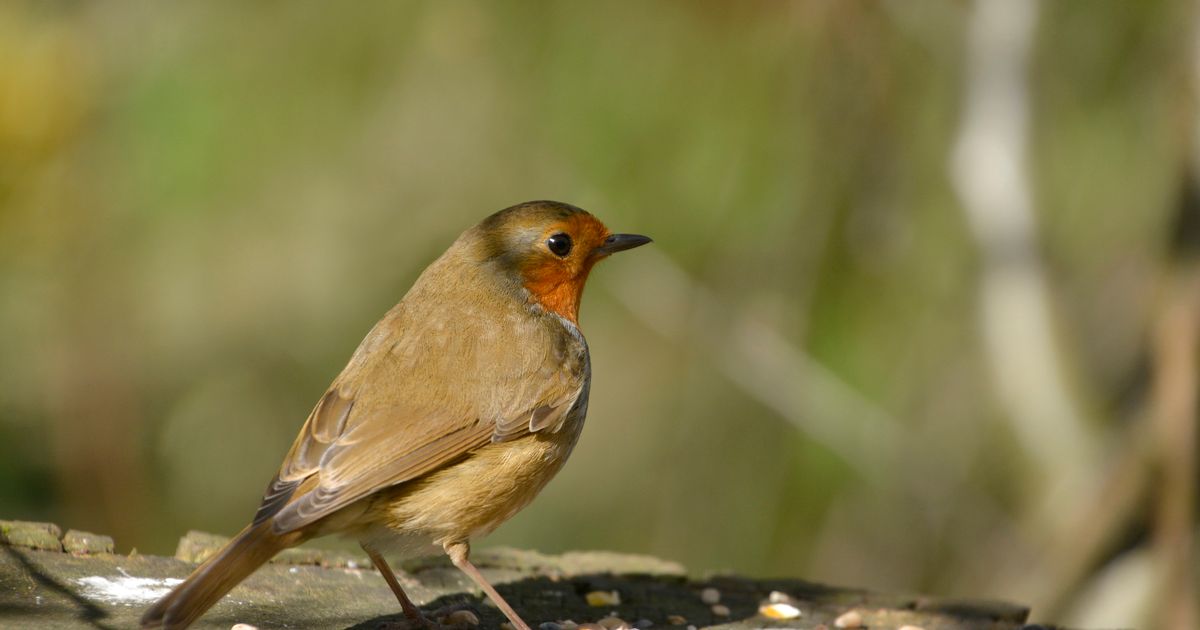
Robins are a much-loved sight in British gardens, not just in winter
Talya Honebeek Content Editor – Spare Time and Katherine McPhillips
11:00, 10 Sep 2025Updated 15:33, 10 Sep 2025
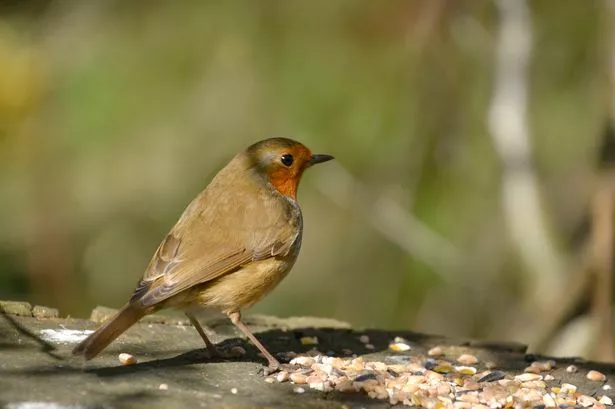 Many gardeners love to feed birds(Image: Getty)
Robins, often associated with the winter season, are actually year-round residents in Britain although they are not spotted so frequently during the summer months. Their main food source, earthworms, tend to burrow deeper into the soil during hot, dry weather, making it difficult for robins to access them.
To support these vulnerable birds, it’s suggested to provide food for them, but the location of a bird feeder in your garden is key.
James Martin, an expert from Woodland Trust, has offered some advice on how to draw robins to your garden. He stressed that the bird feeder should be situated at a safe distance from any plants, according to the Express.
He recommended: “Robins, and other birds, are more likely to spend time in your garden if they feel safe from predators like cats. Ideally, bird feeders should be positioned around two meters away from dense vegetation.
“This will reduce the chance of a surprise attack by cats, and means birds can still easily retreat to cover if needed.”
Bushes, trees and flowerbeds serve as ideal hiding spots for cats, causing birds to feel threatened if a bird feeder is too close to the ground or near any foliage. Not only does placing a bird feeder next to plants stress the birds and discourage them from returning to your garden, but it can also have a negative effect on your garden.
Locating a bird feeder near your flowerbeds or crops could make them a target for bird droppings, heightening the risk of plants being infected with bacteria, disease or other germs.
It’s advisable to situate your bird feeder in a shaded area of your garden to keep the birds cool, but make sure it’s well distanced from plants and even fences and sheds to deter cats from getting to it.
Moreover, position your bird feeder where it’s easily visible from inside your home, so you’ll be aware when it needs topping up and can take pleasure in watching robins enjoying their feast.
Once you’ve identified the safest spot in your garden for a bird feeder, remember to fill it with fat balls as they’re an excellent energy source that can aid robins in regaining their strength if food has been limited.
Robins also have a taste for fruits, sunflower seeds, crushed peanuts, but they’re especially keen on mealworms, so having these in stock will draw them to your garden.
Offering robins a consistent food supply now enhances their chances of maintaining good health and surviving once the chillier weather arrives, so making the effort to help them now will ensure your garden becomes a preferred spot for them.
Comments are closed.