
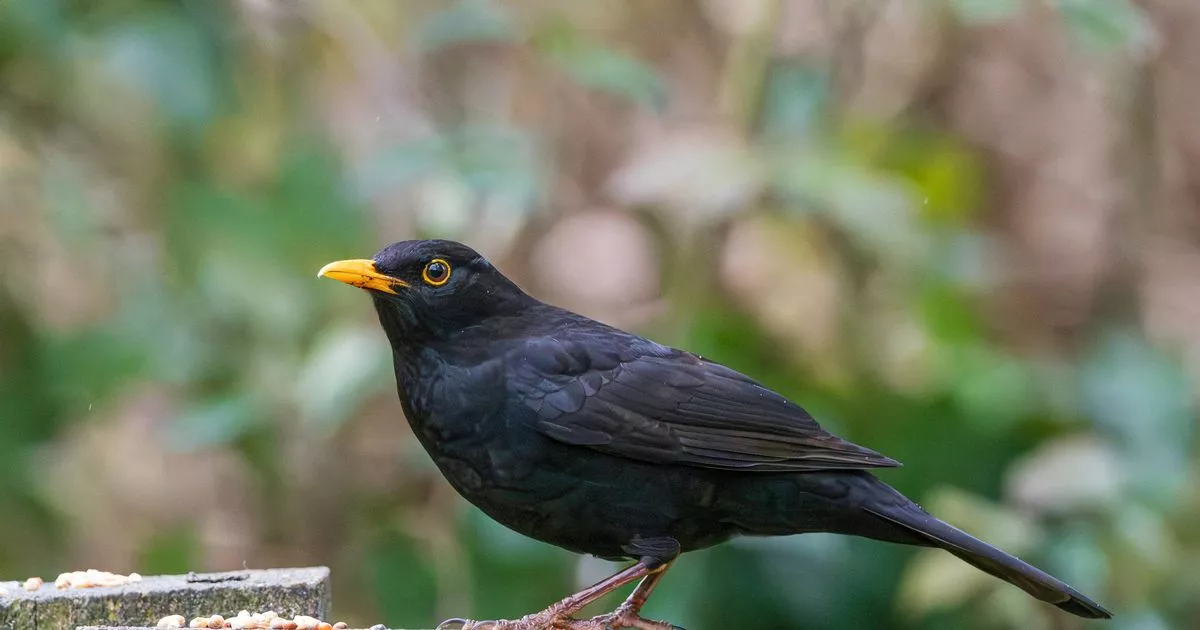
Blackbirds are one of the most familiar and widespread birds in the UK, and can be easily spotted throughout the year in gardens, parks and woodlands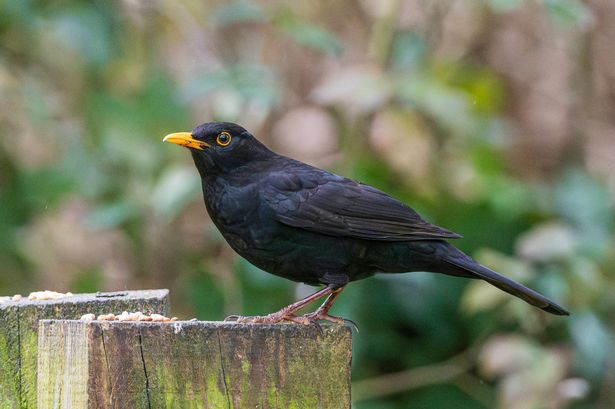 Blackbirds are a favourite British bird(Image: Dee Carpenter Photography via Getty Images)
Gardening enthusiasts are being encouraged to leave one particular item in their outdoor spaces during September to entice one of Britain’s most cherished birds. The blackbird ranks among the most recognisable and common birds across the UK, readily visible year-round in back gardens, public parks and wooded areas.
Whilst most blackbirds are permanent residents staying in the UK throughout all seasons, some do journey southward when temperatures drop. Fascinatingly, the total population actually increases during autumn, as enormous flocks of blackbirds from northern Europe descend to benefit from Britain’s relatively gentler winter conditions.
To continue drawing these quintessentially British birds, gardening experts have been advised to place suet balls in their bird feeders as these creatures adore high-energy and high-fat nourishment, reports the Express.
RSPCA Scientific Officer Dr Rebecca Machin explained to The Express: “Wild animals visiting our gardens will appreciate any extra food we can offer them during the autumn, and it will cheer us up to see them too.
“As the colder weather sets in, many birds are building up fat reserves to get them through the winter when food is harder to find, while hedgehogs need to put on weight to prepare for hibernation. There are lots of different options for feeding wild animals in your garden, but also some things to be aware of to keep wild animals and pets safe.”
The specialist noted that blackbirds also favour suet pellets. Suet pellets prove to be a superb option for nourishing blackbirds, particularly throughout the chillier months when natural food supplies become limited. She elaborated: “High-energy, high-fat food is good for garden birds during the colder months.
“Net-free fat or suet balls placed in bird feeders attract a wide range of species and provide a great boost of calories. Ground-feeding birds like blackbirds will also eat suet pellets.”
Suet pellets can be scattered on the ground, put in feeders, or mixed with other bird foods to draw species such as robins, tits and sparrows. While they are safe for birds, they are not suitable for pets like dogs or ducks and certainly not meant for human consumption.
Comments are closed.