
‘You don’t need a green thumb, a greenhouse, or even a big backyard to grow mushrooms,’ columnist says
Beneath the Fronds: A Crown of Fungi & Fern
This week’s arrangement didn’t come from a vase. It came from a fallen log, a handful of moss, and a few patient months of waiting. At the heart of it sits a staghorn fern, mounted in a stumpery. Around it, soft green moss spills out like velvet, and at the base—lion’s mane and oyster mushrooms are quietly doing their thing.
u
There’s something about this little woodland vignette that feels right for September. It’s not flashy. It’s not flowering. But it’s alive. Rooted, pulsing, breathing.
Mushrooms aren’t just background players in the garden. They’re part of the living architecture—and this week, I let them take centre stage.
Mushrooms have stolen my heart.
They are showing up everywhere lately—from farmers’ markets to fancy restaurants And as the cost of groceries keeps climbing and fresh food quality seems to keep dropping, I think it’s high time we bring mushrooms back into our homes gardens, and daily meals.
Let me tell you why.
You don’t need a green thumb, a greenhouse, or even a big backyard to grow mushrooms. They’ll happily pop up on your kitchen counter, in a shady garden bed, or tucked into a log at the edge of the woods. They’re one of the few foods you can grow year-round, indoors or out.

But beyond being easy and fun to grow, mushrooms are also one of the most nutrient-dense foods on the planet.
● Low in calories, high in fibre.
● Packed with B vitamins, copper, potassium and antioxidants.
● Natural immune boosters.
● Some species have antiviral, antibacterial, and anti-inflammatory properties.
And they do all this without needing sunshine, pesticides, or even soil.
Let’s talk about lion’s mane—one of the rockstars of the mushroom world.
It’s been used in Chinese medicine for centuries as a brain tonic, and now modern science is catching up.
Research shows that lion’s mane contains compounds—hericenones and erinacines—that boost Nerve Growth Factor (NGF), helping neurons grow and repair.
These mushrooms are now sold as capsules, powders and tinctures in just about every health store. Some folks even microdose with them to help with focus, mood and mental clarity. (And nope, these aren’t the psychedelic kind—just natural support for a foggy brain in a noisy world.)
When you compare the cost of store-bought mushroom supplements to growing your own? It’s night and day. A single lion’s mane growing kit can produce multiple harvests—and you can even keep the culture going if you get into propagation.
Where I live in Simcoe County, even basic white button mushrooms have jumped in price at the grocery store. Exotic or organic varieties? You’ll pay $6–10 for a handful, if you can find them at all.
By contrast, you can grow oyster mushrooms, wine caps, shiitakes, lion’s mane, and others for pennies. And the taste? Beyond anything store-bought. Fresh mushrooms are rich, meaty, earthy, and satisfying. They stretch meals, bulk up soups and stews, and—fun fact—they’re now even used in dog food to stretch meat and add nutrients.
Three Easy Ways to Grow Mushrooms at Home
1. Mushroom growing kits (Indoor)
These countertop boxes come pre-inoculated and ready to fruit. Just mist with water and wait. You’ll usually get 1–3 flushes per kit. Great for lion’s mane, oyster, and shiitake mushrooms.
After the kit is spent, bury it in your garden—you might get surprise mushrooms later!
2. Inoculated hardwood logs (perennial outdoor crops)
This method takes patience—but rewards you with seasonal harvests for up to 7 years!
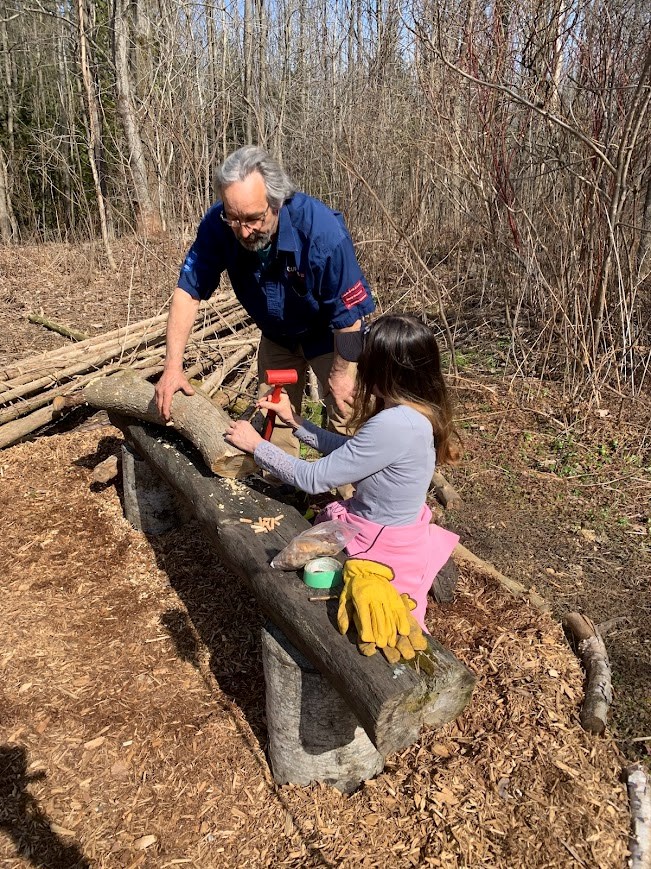
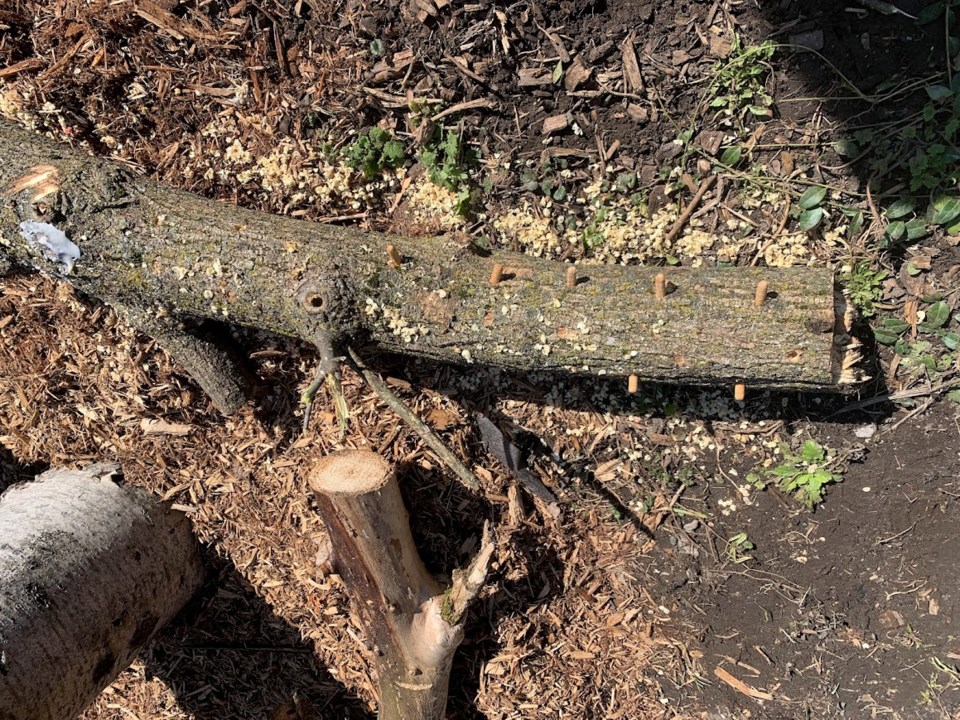
I used fresh-cut maple logs and plugged in lion’s mane and oyster mushroom dowels. Drilled a few holes, tapped in the spawn with a mallet, sealed it all up with beeswax. Stacked them in the shade behind the shed—some leaned, some crisscrossed.
Then I waited. The mycelium takes about six to 12 months to colonize. After that, cooler weather or a good rain is usually enough to trigger a flush.
Watering tips
In Ontario, spring and fall rains usually keep things moist. But if we go 10–14 days without rain, I give the logs a good soak—either with the hose or by dunking them in a bin of water for a day.
During the first year, it’s all about keeping the bark damp, especially during heat waves. Once colonized, soaking them every six to eight weeks helps encourage fruiting if Mother Nature isn’t cooperating.
Logs like it cool, damp, and shady—kind of like a forest floor. Set them up in a sheltered spot and they’ll quietly feed you for years to come.
3. Garden bed mushrooms (wood chip beds)
A few species love garden beds! King Stropharia (a.k.a. wine cap), oyster mushrooms, reishi and maitake can be grown in shaded beds rich with wood chips. These mushrooms coexist beautifully with perennial plantings and can turn mulch into food.
I used to think life was mostly what I could see—plants, animals, flowers, birds. But the deeper I’ve gone into understanding fungi, the more I’ve realized that so much of what matters is invisible. The microbial community beneath our feet is running the show: cycling nutrients, supporting ecosystems, and quietly keeping everything alive.
We all try to make sense of things bigger than ourselves. For me, fungi helped connect a lot of dots—they’re a reminder that even a spoonful of soil holds more complexity than we’ll ever fully understand. And that’s humbling in the best way.
Monika Rekola is a certified landscape designer and horticulturist, passionate about gardening, sustainable living and the great outdoors. Contact her at [email protected].

Comments are closed.