
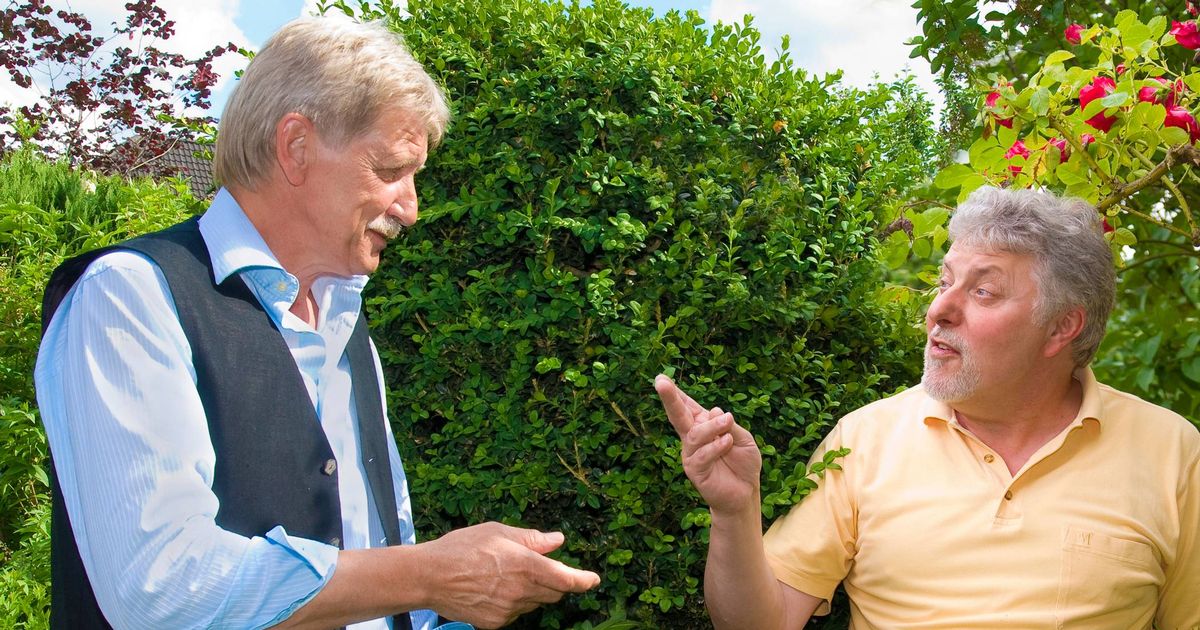
It’s important to know what you can (and cannot) do when it comes to a neighbour’s tree blocking your natural light Four experts gave the exact same advice on what you can do if a neighbour’s trees block your light(Image: Getty)
As the bright and balmy summer draws to a close, our plants, trees and shrubs have reached their prime and will shortly begin to wither and drop their leaves with autumn’s arrival. Whilst savouring our plants at their most vivid and lush is amongst life’s finest joys, their growth can create difficulties as well, particularly regarding your garden.
Take, for instance, that attractive bushy conifer from next door which might appear striking. What if it grows so large that it begins obstructing your natural light, transforming your home and garden from bright, sunny and warm to dark, chilly and perpetually shadowed?
I consulted specialists in law and property regarding what measures could be taken if a neighbour’s tree began to interfere with my natural light. They were unanimous on the subject.
Manjinder Kaur Atwal, director of housing at Duncan Lewis Solicitors, told Wales Online: “Unfortunately, the law doesn’t give you an automatic right to natural light just because a neighbour’s tree blocks it. You can usually only trim back branches that overhang your property, and only as far as your boundary – never beyond it, and without damaging the tree.”
Joanne Ellis, partner and specialist in dispute resolution at Stephensons solicitors, stated: “Under current UK law, there’s no general ‘right to light’ when it comes to trees affecting your garden or outdoor areas. So, if your patio is in permanent shade because of a neighbour’s tree, unfortunately, the law doesn’t offer much recourse.”
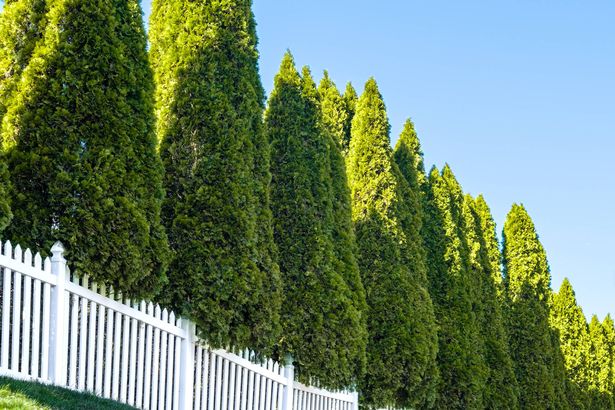 If your patio is in permanent shade because of a neighbour’s tree, unfortunately, there may not be much you can do by law(Image: Getty)
However, Joanne added: “The situation changes when interior spaces are affected. If natural light has entered a window uninterrupted for at least 20 years, and the obstruction significantly interferes with the use of that room, you may have acquired a legal ‘right to light’ under the Prescription Act 1832. In such cases, remedies like an injunction or damages could be available-but these claims are complex and typically require expert legal and technical assessment.
“There may be specific rights or obligations attached to properties and deeds should be checked. It is possible to have a specific right to light, or not, in your deeds. Other express rights or obligations in your deeds may assist in any event.
“If the problem stems from a hedge rather than a single tree, and it consists of two or more evergreen or semi-evergreen trees or shrubs over two metres tall, you may be able to take action under the High Hedges provisions of the Anti-Social Behaviour Act 2003. In these cases, your local council can investigate and, if appropriate, issue a remedial notice requiring the hedge to be reduced in height.”
What you can do
Legal landlord advice experts at First4LandlordAdvice have provided some guidance: “Here’s what you can do: you are permitted to trim any branches or roots that cross into your side, but only back to the boundary and from your own land. You should offer the cuttings back to your neighbour rather than simply disposing of them over the fence.
“If an evergreen or semi-evergreen hedge is over two metres and blocks reasonable enjoyment of your property, you can make a formal complaint to the council under the Anti-social Behaviour Act 2003.
“If your windows have had uninterrupted daylight for more than 20 years, you may have a civil ‘right to light’, though this is usually resolved by negotiation or legal remedy rather than cutting trees yourself.”
What you cannot do
The experts at First4LandlordAdvice further explained: “Here’s what you can’t do: you cannot cross the boundary or cut beyond it without permission – no stepping into your neighbour’s land or shaping the tree from their side.
“You cannot cut or damage a tree that is protected by a Tree Preservation Order or located in a conservation area without consent, as this can be a criminal offence. You cannot assume a general ‘right to light’ gives you the power to remove trees; this only applies in very specific circumstances. You cannot dump prunings back into your neighbour’s garden or keep fruit from overhanging branches without their agreement.”
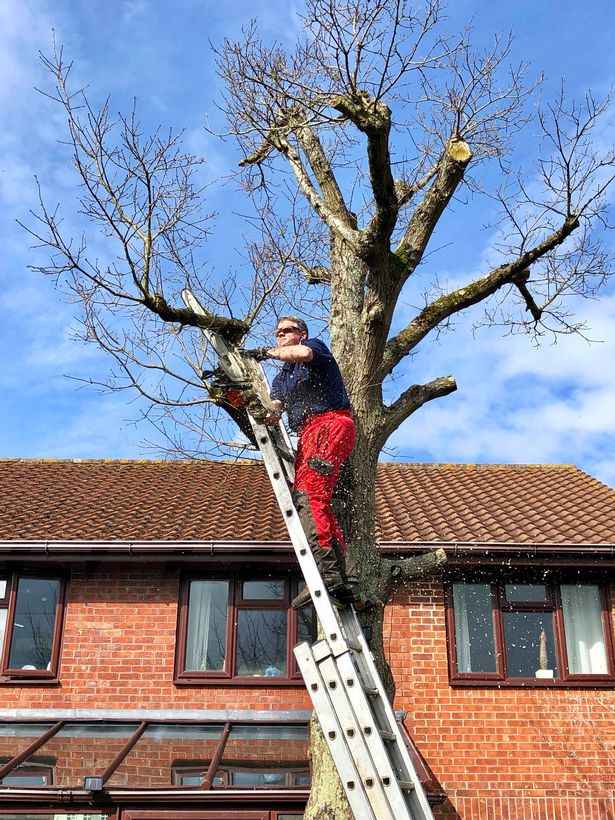 You can’t just head to the neighbour’s tree and start cutting away (Image: Getty)
Chris Taylor, who operates the professional gardening company Chris Taylor Gardening, explained: “If a tree sits entirely on your neighbour’s land but its branches overhang and block light into your property, you have the right to trim those branches back only to the boundary line – no further.
“You cannot cut from within your neighbour’s garden or remove parts of the tree that don’t extend over your side. Because the tree legally belongs to your neighbour, any cut branches should be offered back to them. If they don’t want them, you can dispose of them yourself.”
When does the responsibility fall on my neighbour to trim a tree?
Dave Sayce, co-founder and managing director of Compare My Move, clarified: “Your neighbour does not have to trim their tree if it crosses your boundary or looks bad. Your neighbour only has a responsibility to trim their tree if it becomes dangerous or is considered a nuisance, legally.”
What steps should you take before taking action?
The experts also concurred on the necessary steps to take before proceeding with action. Manjinder Kaur Atwal, director of housing at Duncan Lewis Solicitors, advised: “Before taking action, it’s best to speak with your neighbour first to avoid souring relations. If the tree is protected by a Tree Preservation Order (TPO), you’ll need permission from the council before pruning. Legal disputes over loss of light are complex, so try to resolve the issue amicably where possible.”
Joanne Ellis, a partner and dispute resolution specialist at Stephensons solicitors, advised: “Before taking any formal steps, I always recommend starting with a friendly conversation. Many disputes can be resolved amicably, and maintaining good neighbourly relations is invaluable. If the issue persists-or if protected trees are involved, such as those under a Tree Preservation Order or within a conservation area-professional legal advice is essential.”
Chris Taylor, who operates the professional garden firm Chris Taylor Gardening, suggested: “To avoid disputes, it’s always best to speak with your neighbour beforehand and explain that the branches are affecting light into your property.”
Comments are closed.