
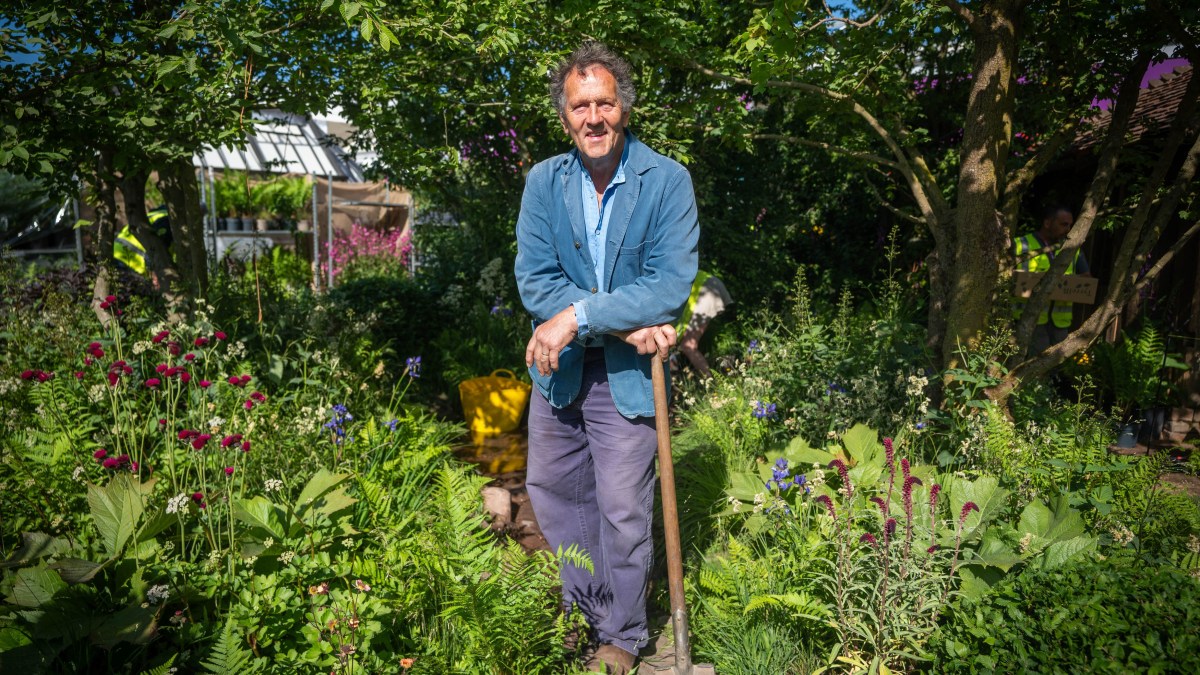
Gardens do not need plants in them, Monty Don, the horticulturist and broadcaster, has claimed.
“A garden can be anything you want it to be, even if — and I know that this is heresy to many people — it does not include a single plant,” Don wrote in his column for Gardeners’ World.
The television presenter pointed out that many of Britain’s most cherished gardens, such as the monument-adorned landscape that Lancelot “Capability” Brown, who is often called England’s greatest gardener, sculpted at Stowe, do not draw attention to plants. In fact, the “Arcadian ideal” of Brown’s gardens “did not involve any particular interest in the specific plants used”, Don said.

The Grecian Valley at Stowe, Buckinghamshire
ALAMY
Don recalled a visit to the home roof garden of Luis Barragán, a noted Mexican architect, for a TV programme he filmed in 2007. “It consisted of pink-painted walls, terracotta walls and nothing else save the sky — which Barragan insisted was an essential part of the garden,” Don wrote.
Many Japanese rock gardens hardly feature any plants. In the garden of the Ryoanji Temple in Kyoto the only plant is moss growing around the base of five clusters of stones, surrounded by an expanse of white gravel. “It is up to each visitor to find out for himself what this unique garden signifies,” says the brochure.
The Fort Worth Water Gardens in Texas could not be further from the bright colours of the Chelsea Flower Show. Designed by the architects Philip Johnson and John Burgee, they centre upon a terrace of concrete slabs descending into a frothing pool. It made a fittingly otherworldly setting for the 1976 science-fiction film Logan’s Run.

The garden at Ryoanji Temple
ALAMY

Fort Worth Water Gardens
ALAMY
The American artist James Turrell has designed several gardens that direct visitors’ attention away from the undergrowth and towards the clouds. His Sky Garden in Ireland is a grassy hollow with a coffin-like chunk of stone at the bottom and not a shrub to be seen.
“We in Britain tend to have such a fixed idea of what a ‘good’ garden might look like,” wrote Don. “I have a garden happily filled to overflowing with plants. I love the physical process of raising and tending plants […] But I also love visiting gardens that explore all the subconscious and spiritual possibilities that gardens can evoke and enrich.”

However, the “greatest garden ever made”, according to Don, is not nearly so austere in its foliage. Rousham in Oxfordshire has three 17th-century walled gardens with deep herbaceous borders, as well as a geometrically arranged rose garden.
“Whenever I visit Rousham […] I am painfully aware that I am only ‘reading’ a fraction of what the 18th-century contemporary visitors would have clearly seen and understood from the various statues, groves and buildings,” he wrote.
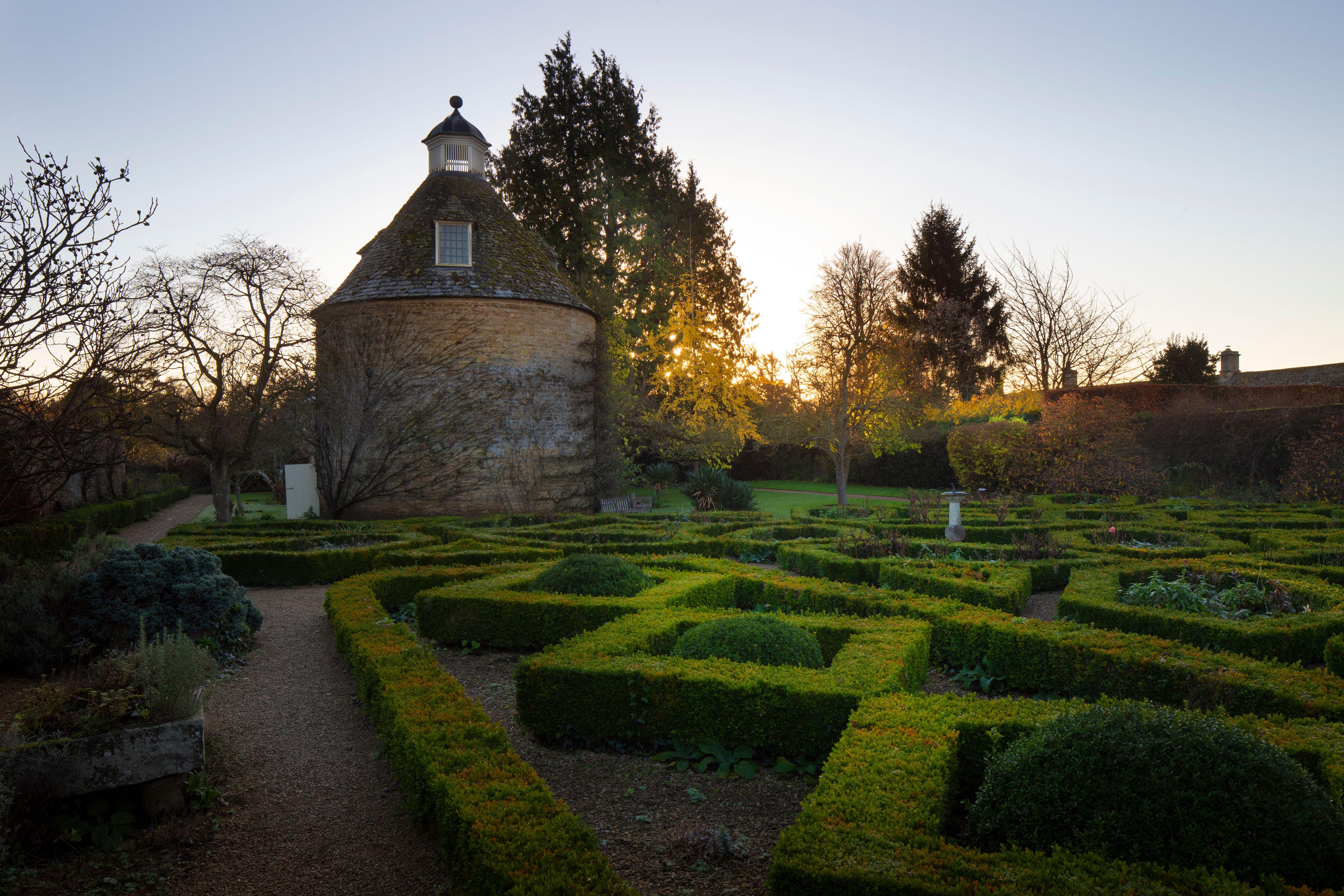
Rousham House in Oxfordshire
ALAMY
Don, who Alan Titchmarsh suggested as his successor as presenter of Gardeners’ World in 2002, is the first self-taught horticulturist to present the programme.
Earlier this year, Don said: “British gardeners are blessed. We have fabulous weather. We never have too much rain, it’s never too hot, never too dry, never too cold. We just think it is. It is cold and it is hot, it is dry and it is wet, but the extremes are nothing compared to other countries. Climate change does mean that our weather is changing and getting more extreme, but as things stand it’s still very, very easy on the garden in Britain. It’s why we have good gardens.”