
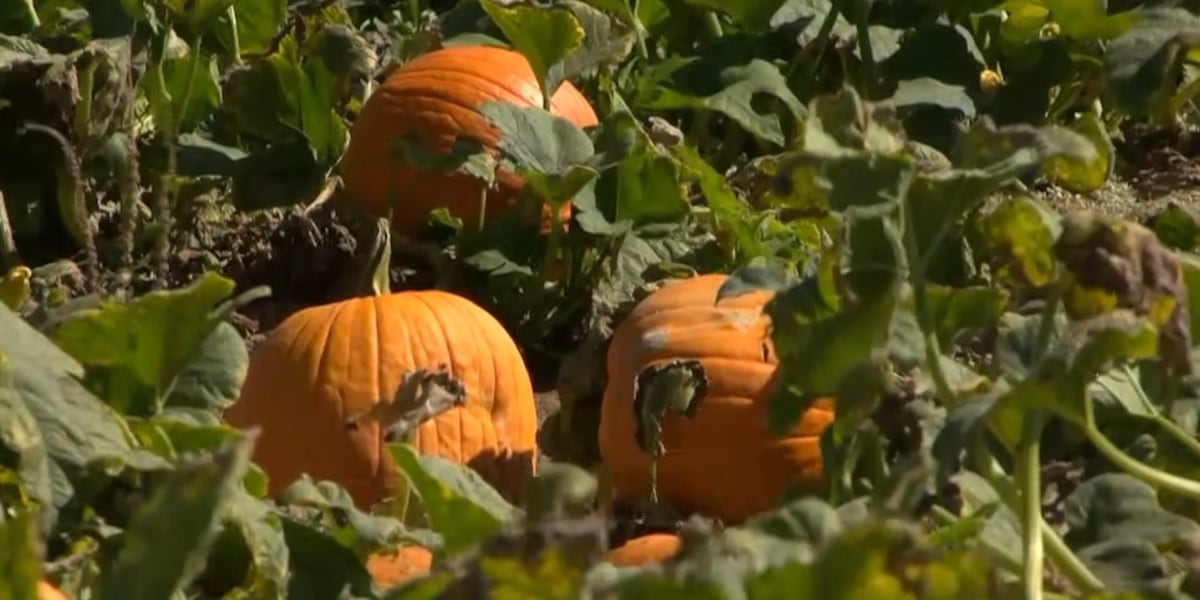
TYLER, Texas (KLTV) – As summer sets in and spring-planted gardens wind down, many folks let the heat put a pause on their gardening. But this is actually the perfect time to prepare for your fall vegetable garden.
Most gardeners think of spring as the main season, but East Texas offers two great windows: spring and fall. The fall garden is just as rewarding—just a little different.
Yes, the fall vegetable garden is just as much a possibility as a spring one, just different. It will be different in a number of ways.
Fall gardening starts in the heat, which means you’ll sweat a little—but it also works to your advantage. Warm soils promote quick seed germination, often faster than in cooler spring soils.
Once seeds sprout, consistent watering becomes critical—especially in the heat. Unlike spring gardens, where rains may be more dependable, fall gardens need a bit more babysitting early on.
Watering is also approached with a different mind-set. Water will be crucial to establishing the summer growing vegetables. Germinated seeds in July and August will need uniform moisture and plenty of it. Mulching, a practice not often done for spring gardens, can really help here. A light layer around young plants helps retain moisture and cool the soil surface.
Fall gardens often face fewer pest and disease issues. Springtime bugs tend to taper off, and those cool, wet conditions that trigger seedling diseases are much less common.
The biggest proponents of fall vegetable gardens will always brag on the harvest. Harvested produce in the fall, in milder weather, are reported to taste better. The time spent harvesting, choosing which tomato or what size cucumber to pick, is obviously more comfortably done.
Of great importance is your planning. Most warm-season crops have a hard deadline—they need to mature before the first frost. In our part of East Texas, the average frost date is mid-November. But remember- that’s just an average. Some years, frost shows up before Halloween, other years, not until Christmas.
So, when choosing what to plant, keep in mind how long it takes each vegetable to reach harvest stage. Southern peas (purple hulls, zipper creams, etc.) normally take about 60 days. Counting backwards from a mid-October harvest puts the planting at mid-August. Pumpkins need about 90 days and radish is just over a month.
The bottom line is that here in East Texas our spring and fall gardening seasons are short, sandwiched between frosts and blistering hot summer conditions that cause many crops to stop production. Variety selection and proper planting time are critical to success.
For planting dates, variety recommendations, and more fall garden advice, visit aggie-horticulture.tamu.edu, or simply search “Aggie Horticulture” online.
———————————————————-
Cary Sims is the County Extension Agent for agriculture and natural resources for Angelina County. His email address is cw-sims@tamu.edu.
Educational programs of the Texas A&M AgriLife Extension Service are open to all people without regard to race, color, sex, disability, religion, age, national origin, genetic information or veteran status. The Texas A&M University System, U.S. Department of Agriculture, and the County Commissioners Courts of Texas Cooperating.
Copyright 2025 KLTV. All rights reserved.