
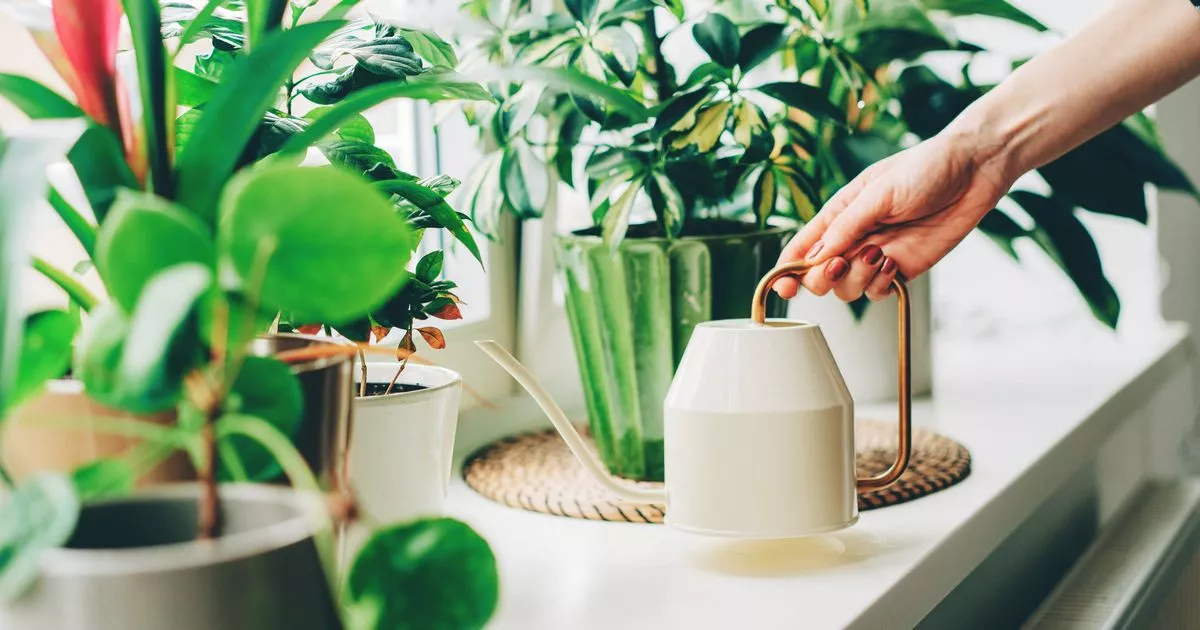
If you have multiple plants in the direct firing line of the sun now is the time to move them, as the country is expected to boil once again in temperatures of 30C and higher UK households to take immediate action on their houseplants(Image: Olena Malik via Getty Images)
Household plants are typically placed on window sills and ledges where they have the full force of the sun beating down on them.
But this week, as temperatures are expected to exceed 30C once again, plant owners need to reconsider keeping them in this exact place.
Plants indeed need light to thrive and get their necessary nutrients. However, too much sunlight can result doing the complete opposite. Leaves can become scorched and brown, and many plants struggle to cope as they battle high temperatures.
Even if you have an air con unit cooling down your space, the effects of UV rays from outside beaming in can cause such issues as windows can help radiate and reflect heat.
READ MORE: Gardeners urged to keep hold of one kitchen scrap and sprinkle over plants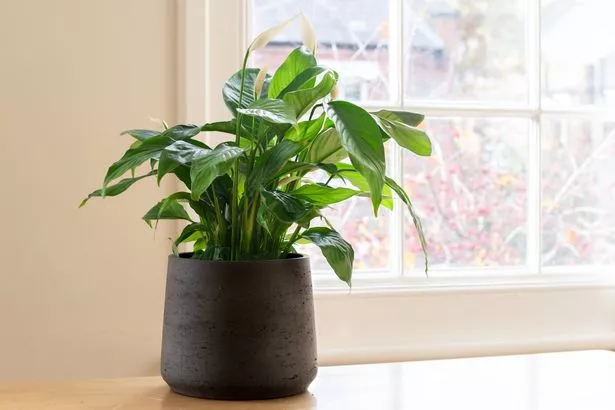 Houseplants to be kept away from the window during peak hours (Image: Grumpy Cow Studios via Getty Images)
Experts at Gardeners’ World said: “Ensure houseplants are not getting scorched by summer sunshine. Either move further from the window or choose house plants that will thrive in a sunny spot.” This is why it is important to know the sort of plant you are keeping, their tendencies and how they cope with the UK’s fluctuating weather patterns.
“A bright sunny windowsill, porch or conservatory is a perfect spot for desert cacti and succulents. They thrive in dry air and can cope with direct sunlight – conditions that wouldn’t suit many house plants,” the site explained.
READ MORE: Gardeners urged to save ice cream cones this summer for this one crucial reason
Similar advice has also been echoed by other gardening gurus. Connor Towning, is a lead horticultural expert at Beards & Daisies and has encouraged gardeners to move plants from direct afternoon sunlight.
He said: “Treat plants like people – you wouldn’t sit in full sun midday, so shift them into indirect light or shade zones to prevent scorching.” For better results and peace of mind, you can also keep them outside in a warm spot where they can also get some fresh air.
Signs your plant is already suffering from scorching
Signs your plant has already had enough of the sunlight include browning, discolouration, wilting leaf edges and foliage generally looking tired and crispy. Despite contrary belief, leaf scorching doesn’t just take place in the summer – it is also a factor of winter, where plants left next to heat sources suffer the same fate.
Another way to avoid this happening, people are encouraged to water deeply and at times when the heat has dulled down. Ideally this is in the very early morning, or once the sun has gone down.
Watering the soil so the roots stay hydrated is a good way to stop the evaporation process taking place before the plant has even had chance to benefit from a drink.