
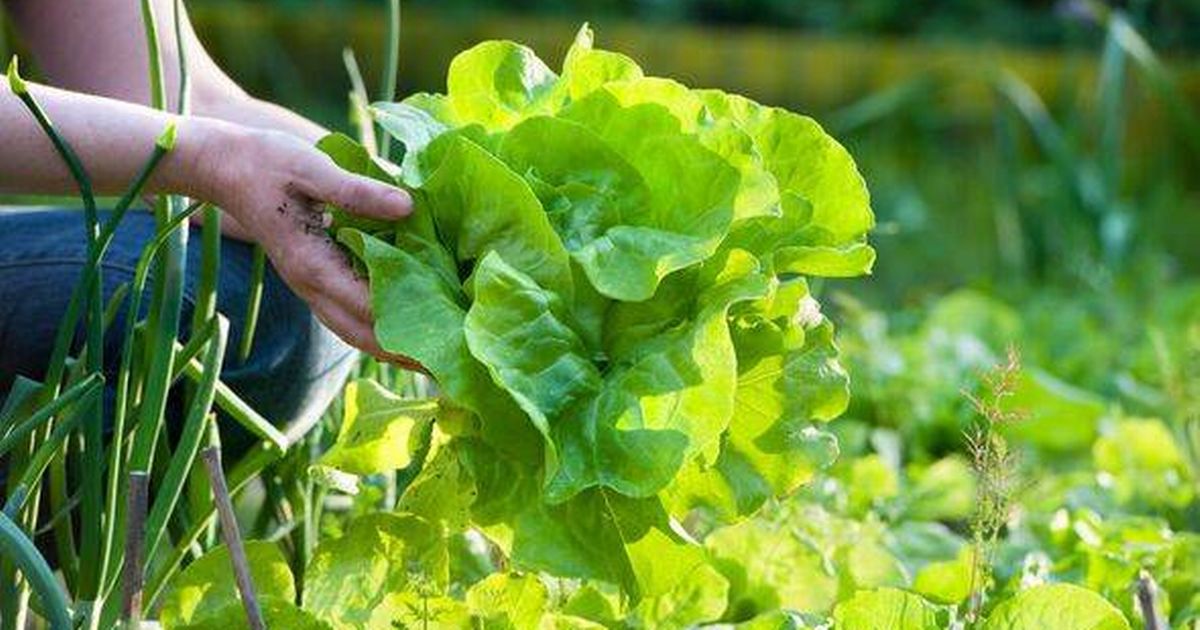
Lettuce is easy to grow, even in pots or a small space such as a window ledge, or you can bed the salad into prepared garden beds – and enjoy your freshly grown greens fairly quickly
07:12 ET, 03 Jul 2025Updated 03:07 ET, 04 Jul 2025
 Homegrown lettuce is best picked at one time of the day for the sweetest tasting leaves (Image: Getty Images)
Lettuce is a breeze to cultivate, even in containers or limited spaces like a window sill, or you can plant the salad greens in prepared garden beds and relish your homegrown greens in no time.
You might already be nurturing some lettuce in your outdoor area – and if not, there are several varieties of this adaptable salad leaf that thrive year-round – and they’ll taste far superior to store-bought lettuce.
There’s even an ideal time of day to harvest the lettuce you’ve grown, for the most flavorful salad leaves.
If you’re a beginner at growing lettuce plants from seeds, you’ll have the opportunity to select from a range of types for a mix of color, texture, and flavor.
Gardeners’ World offered advice on cultivating lettuce and pointed out that by growing several variations “you’ll have all the ingredients you need for a delicious, colorful salad”, reports the Express.
On their website, Gardeners’ World stated: “It’s much cheaper to grow your own lettuce than buy bags of lettuce from the stores, and the variety of lettuce you can grow versus store-bought lettuce is greater, too.”
Whether you’ve got lettuce already sprouting, or if you’re set to sow some this summer, the plants will take about 10 weeks to be ready for your dinner table.
Some lettuce varieties can be cultivated throughout all the seasons, with certain types favoring cooler weather or some shade – and all lettuce varieties generally germinate better when not in direct sunlight.
The gardening gurus over at the Gardeners’ World website have dished out their top tips for growing lettuce, suggesting that seeds should be sown on “moist, well-prepared soil or compost”.
They also recommend a light covering for the seeds with “a very thin layer of compost or vermiculite”.
Gardeners must be vigilant against slugs and snails, notorious for munching on tender seedlings.
After the seedlings emerge, it’s time to thin them out and ensure the soil remains moist.
Lettuce can take as long as 10 weeks to mature, but certain varieties are ready in just six weeks.
Varieties like Lollo Rossa, Mazurosso, and Bijou, which are loose leaf lettuces, tend to be harvest-ready sooner since they don’t form compact heads.
For those impatient gardeners, baby leaves can be harvested before full maturity across most types of lettuce.
Harvesting your homegrown lettuce from pots or garden beds is best done in the morning for peak flavor, according to gardening experts.
To maintain a constant supply of lettuce, the Gardeners’ World website advises: “For a steady supply of lettuces, sow seed every 14 days from March through to September.”
When it comes to harvesting, Gardeners’ World instructs: “Start picking baby loose-leaf lettuces at six weeks, at 10 weeks for hearting (dense head) types.”
They also note that in warm weather, the succulence of lettuce can vary depending on the time of day it’s picked, with early morning being the prime time before the sun causes dehydration.