
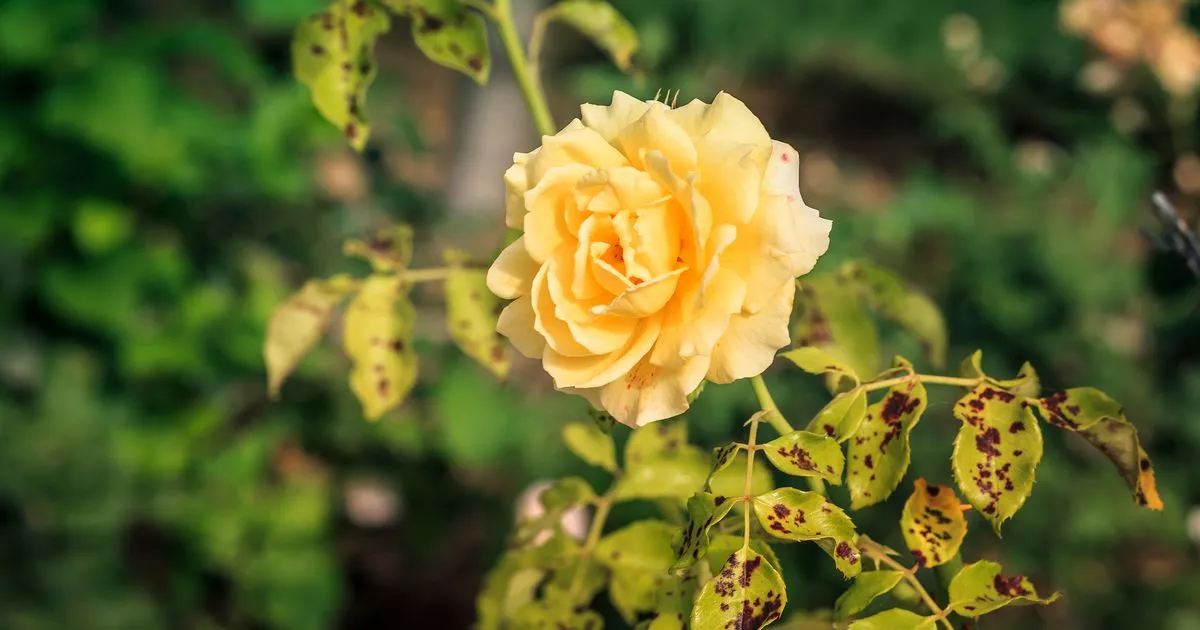
Black spot is a disease that can affect rose plants and cause the leaves to fall off early – but there is one key way to tackle it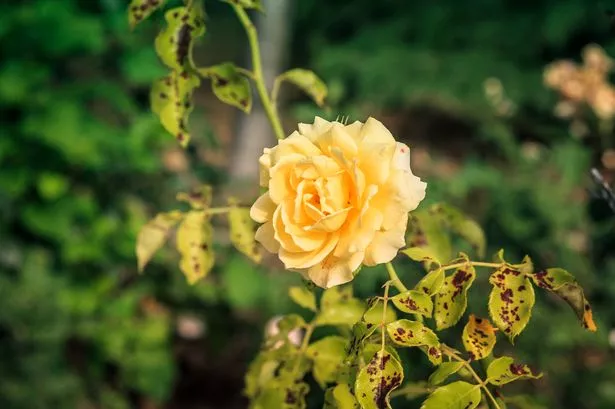 There is a simple way to get rid of the disease(Image: Getty Images)
Gardeners are being urged to do one key job now to keep roses and leaves free of black spot this summer. Roses are currently in their blooming season, but a serious disease could potentially affect the plant’s health and reduce their quality.
Black spot is a fungal disease where the blooms affected will have purple and black spots developing on their leaves. The disease ultimately causes the flowers’ leaves to fall off earlier.
According to the Royal Horticultural Society, if the leaves are infected, the marks will usually appear on the leaves from spring time. These markings will then worsen as time goes on.
Alongside the purple and black spots, other symptoms of the disease include the leaf tissues turning yellow, dropping leaves, and small, black, “scabby lesions” may also appear on young stems, reports the Express.
Plants which are badly affected will shed almost all of their leaves.
The RHS said: “The symptoms are so severe that, anecdotally, the disease has been blamed for a decline in the popularity of roses in UK gardens in recent decades.”
How to tackle black spot on your roses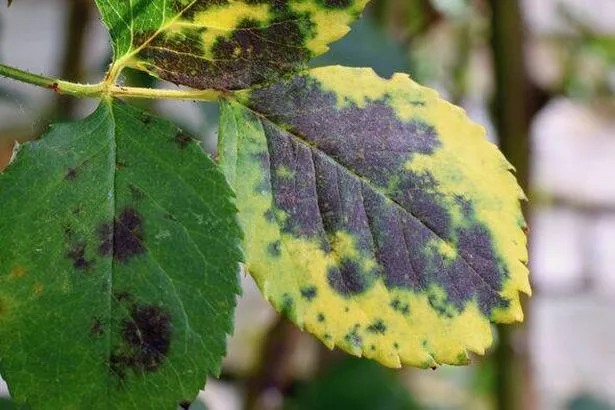 Leaves with black spot disease(Image: (Image: Getty))
Gardener and TikTok creator Michael (The Mediterranean Gardener) has shared how to keep your roses and leaves free of the disease.
To fight the unsightly fungus, Micheal suggested that the best thing you can do to halt the spread is to remove the leaves altogether.
He said: “The best thing you can do is pick them off, remove any and all affected leaves even if that means completely defoliating the plant.”
If you’re using a pair of secateurs to remove the leaves, Michael advised giving them a comprehensive clean after cutting the leaves to stop the spread of the disease.
When discussing the manual removal of leaves, Michael suggested: “You can pull (the leaves) in the opposite direction to the growth to easily remove them by hand.
“And anything that you pick up or pick off needs to be destroyed, don’t put it in your compost heap.”
The Royal Horticultural Society (RHS) advises that combating black spot involves several strategies such as dodging pests and diseases, maintaining good garden hygiene, and introducing “natural enemies”.
The RHS also encourages gardeners to gather and dispose of any leaves that fall during autumn, also recommending to remove and discard any leaves which remain on plants throughout winter.
In an effort to protect biodiversity and soil health while minimising environmental harm, the RHS also warns against using fungicides in gardens.