
#shorts
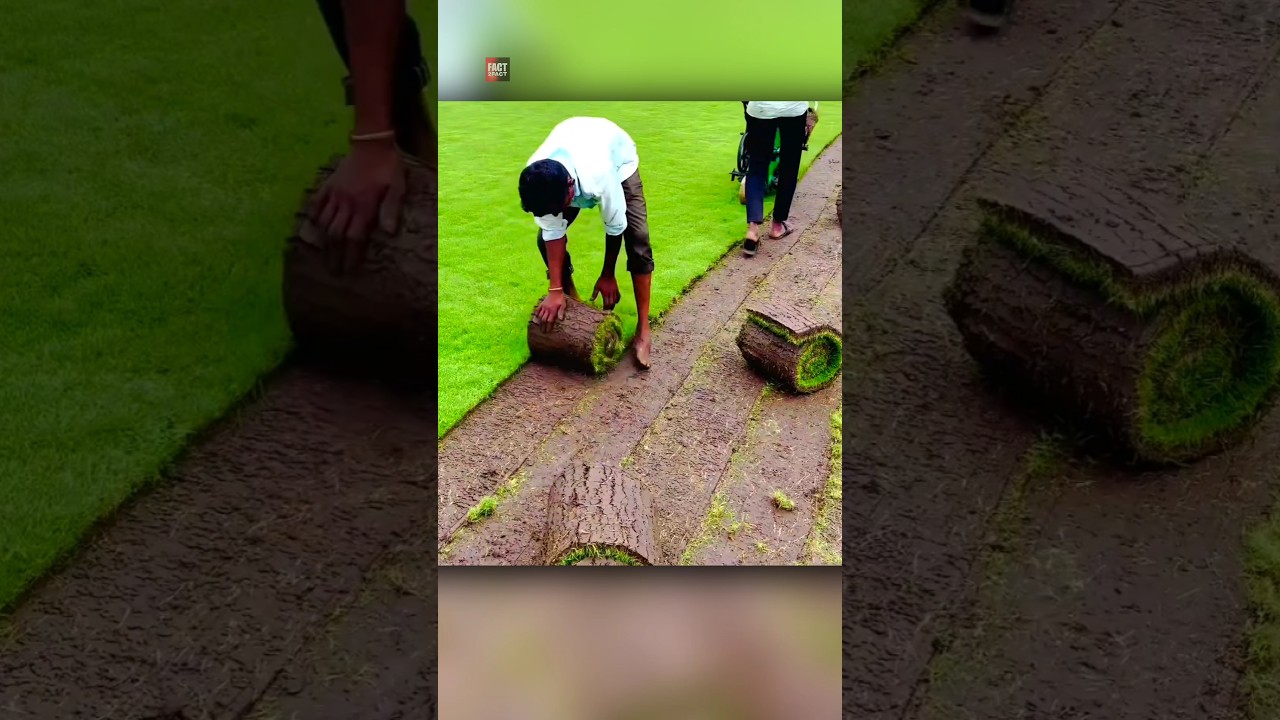
आजकल ऐसे घास उगा करर उनको ऐसे लपेट कर बेचा जा रहा है एंड अगर आप सोचकर कंफ्यूज हो कि आखिर इन घास को खरीदता कौन होगा तो मैं आपको बता दूं कि पहले तो इसे कार्पेट घास कहते हैं जिसे उस जगह पे उगाया जाता है जहां की मिट्टी काफी फर्टाइल और लूज होती है जहां सीड्स को पूरे जमीन पे स्प्रेड कर दिया जाता है एंड जब ये इतना ग्रो हो जाते हैं तब इसको ऐसे मशीन से काटकर ऐसे उखड़ कर रोल बनाकर बेचने के लिए निकल जाते हैं एंड असल में इस घास को उस जगह लगाया जाता है जहां पे घास नेचुरली नहीं उग सकती एंड इसके अलावा इस घास को वे लोग भी खरीदते हैं जिनके पास कैटल्स होती है उन्हीं को खिलाने के लिए
36 Comments
Yes it is a run wicket
Binod
Ipl bala
#
Free Fire Free Diamonds Code.pdf
Is ghaas ko jaanvar nahi khate
No it' not made for serving cows!
Grass, in its broadest sense, refers to a type of plant characterized by narrow, blade-like leaves that grow from the base. Specifically, it refers to plants belonging to the Poaceae family (also known as Gramineae), which includes many familiar species like wheat, corn, and bamboo. Grasses are monocotyledonous, meaning they have a single seed leaf, and their leaves are usually sheathed around the stem.
Here's a more detailed explanation:
Key Characteristics of Grasses:
Family:
Poaceae (also known as Gramineae).
Monocotyledonous:
They have a single seed leaf, unlike dicotyledonous plants with two seed leaves.
Leaves:
Narrow, blade-like leaves that grow from the base and are typically sheathed around the stem.
Stems:
Jointed stems that are often hollow, except at the nodes where leaves emerge.
Growth Pattern:
Unlike many other plants that grow from the tip, grasses grow from the base, making them resilient to grazing.
Reproductive Structure:
Grasses produce flowers that are typically small and wind-pollinated, often arranged in spikelets.
Diversity:
The Poaceae family is incredibly diverse, with over 12,000 species, including various grasses used for food, fodder, and ground cover.
Examples:
Wheat, maize, sugar cane, bamboo, and various grasses used for lawns are all members of the grass family.
Why are grasses so common?
Adaptability:
Grasses have adapted to a wide range of climates and environments, from tropical regions to deserts and even cold climates.
Nutritional Value:
Many grasses are important food sources for humans and livestock, and their leaves are a valuable source of energy and nutrients.
Erosion Control:
Grasses help stabilize soil and prevent erosion, making them important for ecosystems and agriculture.
Habitat:
Grasslands are important habitats for a variety of animals and plants, providing food and shelter.
Grass, in its broadest sense, refers to a type of plant characterized by narrow, blade-like leaves that grow from the base. Specifically, it refers to plants belonging to the Poaceae family (also known as Gramineae), which includes many familiar species like wheat, corn, and bamboo. Grasses are monocotyledonous, meaning they have a single seed leaf, and their leaves are usually sheathed around the stem.
Here's a more detailed explanation:
Key Characteristics of Grasses:
Family:
Poaceae (also known as Gramineae).
Monocotyledonous:
They have a single seed leaf, unlike dicotyledonous plants with two seed leaves.
Leaves:
Narrow, blade-like leaves that grow from the base and are typically sheathed around the stem.
Stems:
Jointed stems that are often hollow, except at the nodes where leaves emerge.
Growth Pattern:
Unlike many other plants that grow from the tip, grasses grow from the base, making them resilient to grazing.
Reproductive Structure:
Grasses produce flowers that are typically small and wind-pollinated, often arranged in spikelets.
Diversity:
The Poaceae family is incredibly diverse, with over 12,000 species, including various grasses used for food, fodder, and ground cover.
Examples:
Wheat, maize, sugar cane, bamboo, and various grasses used for lawns are all members of the grass family.
Why are grasses so common?
Adaptability:
Grasses have adapted to a wide range of climates and environments, from tropical regions to deserts and even cold climates.
Nutritional Value:
Many grasses are important food sources for humans and livestock, and their leaves are a valuable source of energy and nutrients.
Erosion Control:
Grasses help stabilize soil and prevent erosion, making them important for ecosystems and agriculture.
Habitat:
Grasslands are important habitats for a variety of animals and plants, providing food and shelter.
Bhai face reveal
Stadium me use karate hai
Cut copy paster
Very nice new friend 🎉🎉🎉🎉🎉🎉🎉🎉
Mere ghar per hai
Sahi hai bhai
Grass name
Hamari society me lagi he Jabalpur Shri Krishna parisar phase 2 garden
Kya is ko chat pe laga skte hai grass
❤❤❤❤❤❤❤❤
1000
IPL mein bhi lagaya jata hai
Ye grass mere ghar pe hai 😅
😢😢😢😢z
Nice ❤❤❤❤
Bhai ye stadium ke liye hai 😊😊
█▀ █░█ █▄▄ █▀ █▀▀ █▀█ █ █▄▄ █▀▀
▄█ █▄█ █▄█ ▄█ █▄▄ █
हमारा बिसनेस हे. Ye
How to book this
Bhai ye ghass mere ghar pe hai paedaan hai😅😅😅
Grass name
Cricket stadium ma bi
Kya baat hai support me ❤❤❤❤❤❤
Abe bhai carpet ghas nahin usko bolate loan
Stadium mai ye ghas lagti hai
🎉🎉🎉🎉🎉
Stadium wale
😊😊😊😊😊😊