
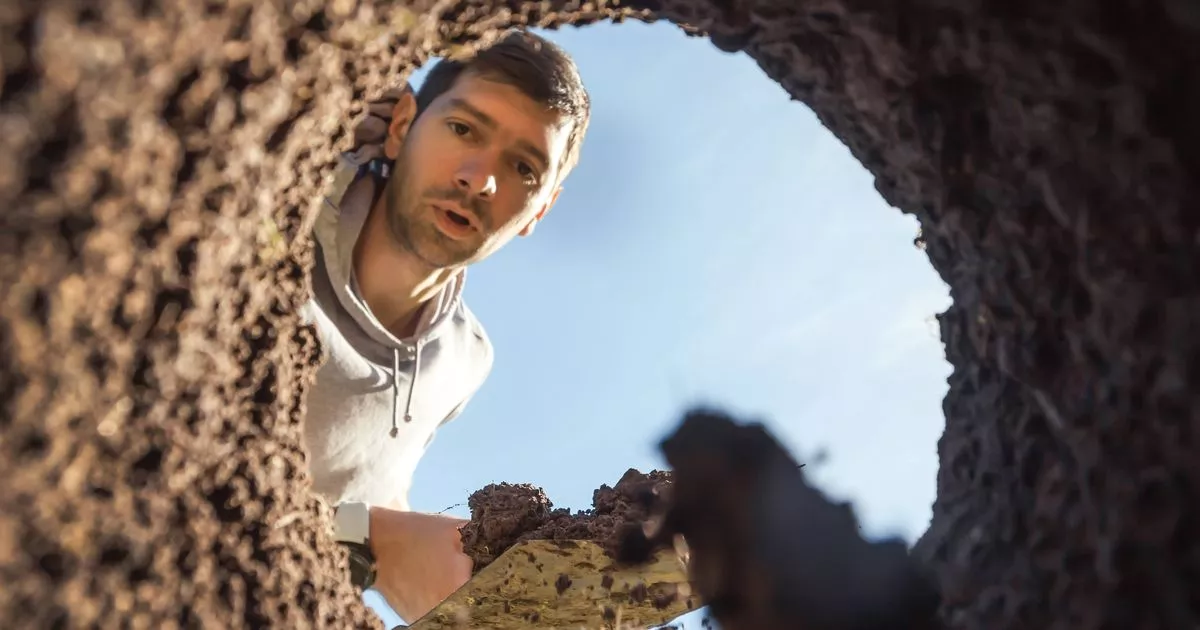
One keen gardener was going about their day when they spotted an unusual creature and started looking after it, but people were left puzzled as to what it was A gardener showed off their remarkable discovery on TikTok (stock image)(Image: Getty Images)
A gardener was left utterly astonished after discovering a peculiar pink creature in her flower beds, which later transformed into something beyond her wildest expectations. While tending to the usual gardening tasks such as weeding, planting, or mowing, one might anticipate encountering bugs or watching wildlife scurry by.
However, this particular gardener was stunned to find a tiny, pink being that onlookers have likened to a “baby demogorgan” — a notorious monster from the underworld featured in the hit Netflix show Stranger Things. She scooped it up and brought it inside, and now she’s amazed at its metamorphosis.
The whole experience was documented on her TikTok account @loveu3689, where the video has amassed over 36 million views. The footage shows the creature rolling in the dirt before she picks it up, cleans it off, and gives it some milk.
She recounted: “I saw a little thing in the garden, I picked it up, it was really dirty. It looks like a newly born little rabbit. It fell asleep in my hand. I fed it some milk. I don’t know if it’s looking for its mother…it’s so cute.”
Content cannot be displayed without consent
As she nurtured the mysterious creature, it began to flourish, sprouting hair and becoming increasingly tame, as described by the gardener. The animal also started eating grass, hopping onto her bed, and sleeping contentedly within the comforts of her home.
“I saw a little thing in the garden, it turned out to be a little rabbit,” shared the gardener, sparking an uproar of speculation among online commenters about the creature’s identity.
“Excuse me, but this is a baby demogorgan,” one user insisted, while another concurred, “No way, that’s a demogorgan baby,” Another chimed in with, ” I’m so glad I wasn’t the only one who thought about this being a baby Demogorgon,”.
“I thought it was a mole,” pondered yet another commenter, while a concerned voice cautioned: “It’s a jack rabbit and y’all are about to experience a horror movie. I suggest moving out and leaving the house for it.”
Another posited: “This isn’t a wild rabbit/bunny, that’s a pet. I think someone dumped it in your garden.”
“This is a Netherland Dwarf rabbit,” pointed out another viewer.
“I was afraid it would turn out to be a rat,” one person admitted, while another confessed: “I would have never guessed rabbit.”
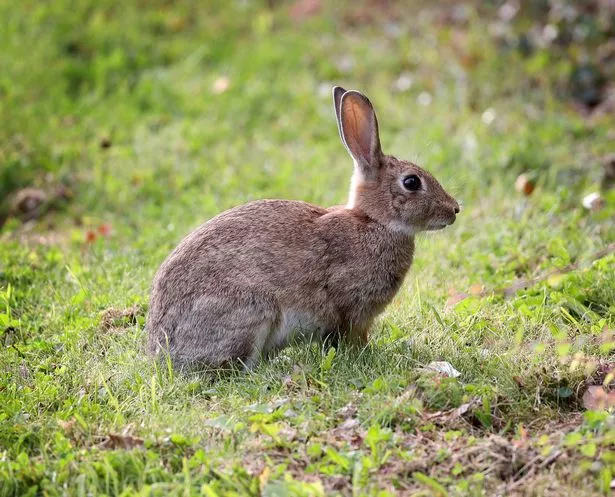 Humans need to be absolutely sure wild rabbits need to be rescued(Image: Sean Hansford/Manchester Evening News)
While many praised the gardener for their compassion towards animals, some noted the likely distress of the missing mother. With a touch of empathy, one commenter reflected: “My problems is, that I would take care of it, but then start to think about the mother that’s somewhere out there, looking for her baby and never knowing where it went. And that would break me.”
As a general rule, wild rabbits don’t need to be rescued by humans even if they’re alone, unless they are injured, according to the wildlife organization PETA. It’s usually normal to see young wild rabbits frolicking in the springtime.
“A young wild rabbit who’s outside alone is fully capable of surviving on their own if they’re more than five inches long,” the PETA website stated. “Wild cottontail rabbits are solitary animals who spend most of their lives alone once they’re past the age of weaning.”
However, PETA urged anyone who finds a rabbit of a different color or with floppy ears to take them to an animal shelter immediately “as they’re likely a companion animal who escaped or was abandoned”.
There are three signs a baby rabbit might need help:
They’re less than five inches longThey’re cool to the touchTheir mother hasn’t returned to the nest within one full day
If all of the above apply, PETA recommends covering their heads with a dish towel and quickly placing them inside a warm, dark, newspaper-lined box. Put the box in a quiet place. It also urged people not to offer them food or water, and not to attempt to care for them without instructions from a wildlife rehabilitator.
It’s final piece of advice was a sombre one: young rabbits should be handled by humans only as a last resort. “Baby rabbits have a high death rate when hand-raised, due in large part to the stress of being handled by humans,” it concluded.