
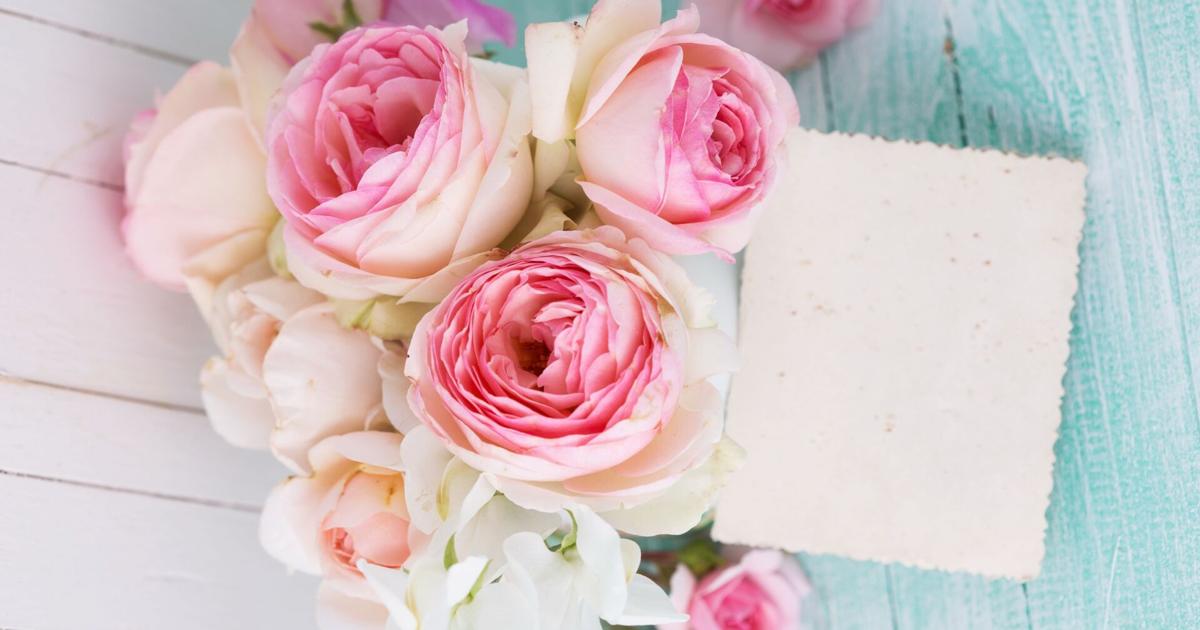
I live on the northshore. Can I grow peonies this far south and be successful? I just love them and was wondering if I could have them in my yard. — Regeana
Everybody loves the amazingly beautiful and fragrant flowers of peonies. They are beginning to bloom in Northern gardens, and I’m starting to see pictures of blooming plants on social media.
Despite how easy and reliable they are to grow up north, however, they perform very poorly in the Deep South. The main issue is that our winters are too mild. Peonies need to be exposed to a considerable amount of cold in winter to stay healthy.
Gardeners in north Louisiana have had some success with peonies, although they generally don’t grow to their full potential. But here, plants tend to languish and perform poorly.
This is one of the perennials gardeners in the Deep South lust after the most, me included. By all means, give them a try if you like (gardeners often want to see for themselves) but be prepared for disappointment.

Parsley will play out in summertime.
My parsley I planted last fall is beginning to send up flower stalks. Can I grow it through the summer or is it finished? — Mary
Although it is a biennial, we generally grow parsley as a cool-season annual. That means we typically plant it in the fall, it grows over the winter and spring, and it blooms and dies in late spring or early summer.
Most fall-planted parsley plants are still growing and look fine, but we are certainly getting toward the end of the season. Flowering generally occurs sometime in May or June. By the time we reach early to mid-June, heat and insect pests begin to take their toll and the quality of the parsley goes down dramatically.
When parsley blooms (called bolting), it signals the end of production. It would be best to harvest all remaining green leaves on your parsley plant over the next couple of weeks and freeze or dry them.
Leave the blooming parsley in the garden, however. The tiny flowers provide food for and attract parasitic wasps into the garden. These tiny, gnat-sized wasps (which pose no threat to us) attack and kill many insects and help keep pests under control.
When flowering is finished, remove the plants. Plant parsley again in fall.
For those who planted parsley this spring, these plants will generally not bloom and will remain productive until the weather gets hot. Harvest generously and continue to harvest until the plants begin to play out.
Spring-planted parsley often succumbs to root rot due to the heat and abundant rain of summer. It may hang in there and survive, although harvest is generally reduced in summer heat.
Plants that survive the summer will revive with the cooler temperatures of fall, produce abundantly over the winter and spring, then bloom and die next year. In that situation, the parsley is growing like the biennial it is – growing one year and then blooming and dying the next.
What is a good insecticide to control caterpillars in my vegetable garden? — Douglas
Spinosad (various brands) is an organic insecticide that does a good job controlling caterpillars. Spray at the first sign of damage.
To prevent damage, begin spraying now and spray regularly through the season following label directions. Spinosad also controls leaf miners (that cause those squiggly white lines in the leaves) as well as thrips and some beetles.
Leaf-footed bugs create yellow spots on ripe tomatoes by piercing tissue with needle-like mouthparts and sucking out the juices.
Garden tips
BE ON THE LOOKOUT: If you see groups of insects with orange bodies and long black legs clustered on tomatoes or vegetable plants, these are nymphs (immature stage) of leaf-footed bugs. When they grow up, they will be brown. They have sucking mouthparts and can damage tomatoes, causing yellow spots on the ripe fruit. Vacuum them off with a hand-vac or spray plants with an insecticide containing permethrin.
OUT WITH THE COOL: Most of the cool-season vegetables still lingering in the garden will be cleared out this month. As these crops finish and are removed, rework beds and plant heat-tolerant vegetables (such as okra, peanuts, Southern peas) for production during the summer.
COMPOSTING TIP: During dry weather, don’t forget to occasionally water your compost pile to keep it moist. Dry organic matter will not break down. Sometimes it is helpful to shove the hose into the compost pile to make sure water reaches the inner parts.
FEED CONTAINER PLANTS: Apply a slow-release fertilizer to your container plants outside to keep them well-fertilized through the growing season. One application will fertilize for many months, saving you time and effort.
SNEAK BEAK: Birds will peck holes in tomatoes just before you decide they are ripe enough to harvest. If birds are a problem, cover your plants with bird netting or harvest the fruit in the pink stage and ripen them inside. Bird netting also works well to protect fruit crops, such as strawberries, blackberries, blueberries and figs, from bird damage, and is available from local nurseries or feed stores.