
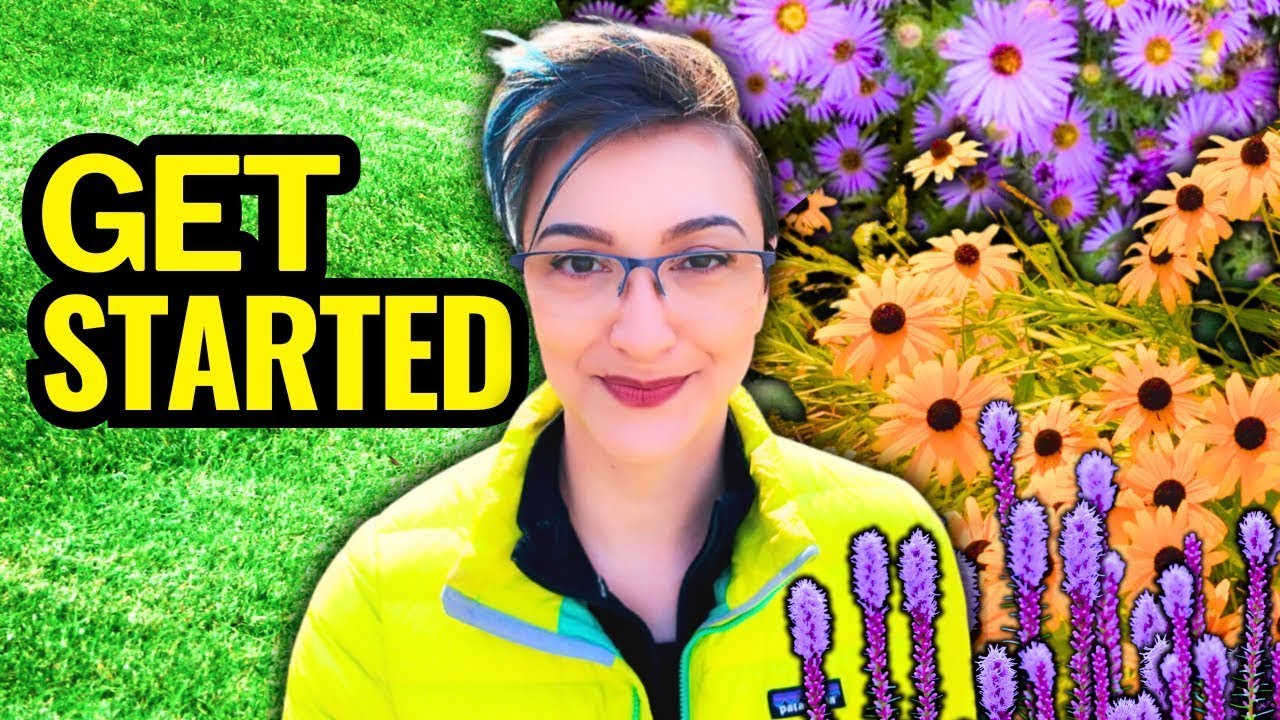
Starting a pollinator garden is easy if you follow a few simple steps. In this video we talka bout the basics and what you need to get started. Bee lawns and butterfly gardens are becoming very popular and people want to know how to start their first pollinator garden. For beginners, these simple rules will get you started and not bogged down in the details.
Support Me on Patreon!
https://www.patreon.com/LisaLikesPlants
TikTok
@LisaLikesPlants
Have you been thinking about making a pollinator Garden but just aren’t sure where to start there’s tons of lists of what to do and what not to do and sometimes they even seem to say different things with conflicting advice it can be a lot so today I’m going to go
Through seven steps to getting started with your pollinator Garden so you can feed the bees and butterflies this summer at the end I’ll go through three essential tips on success for the new pollinator Garden let’s get it step one you want to pick the right location look
For a place with full sun if possible that means 6 hours of direct sunlight on the site for my shade gardeners I didn’t forget about you I’m going to make a whole video about shade Gardens for pollinat but to make this video short enough we’re going to talk about full
Sun Gardens today the other tips in this video will still apply to you so stick around you want to pick a garden location near a water source that means the hose has to reach your garden you won’t have to water a whole lot in the long run but it’s really important for
The beginning pick a spot where plants won’t be blocking cars from seeing the driveway the sidewalk the road think about whether you’ll be able to see other cars while you’re backing out of your driveway I wouldn’t put the garden right up against the sidewalk where Rogue plants might slop over into the
Sidewalk and cause an obstruction you wouldn’t want it to become a tripping Hazard for somebody walking or pushing a stroller it’s very important to keep the sidewalk clear for your neighbors don’t be afraid to put the garden in the center of the front yard that’s where
Your community is going to be able to enjoy it and finally put the garden somewhere where you’ll be able to enjoy it every day don’t miss out on visits from bees and butterflies because somebody decided the pollinator Garden should go in the backyard behind the
Shed it’s waste you want to be able to enjoy your garden be bold put your pollinator Garden in the front yard by the way if you’re having a good time learning about these videos subscribe to the channel this sends a strong message to YouTube that people are interested in
Creating pollinator Garden there’s so many people who want to plant plants for the bees and butterflies step two kill your lawn and the other weeds first okay so there’s a few ways to kill your lawn and I’m only going to go them briefly because I don’t want to get bogged down discussing which
One is the best most perfect way just know that there’s no perfect way to kill plants every method has its downsides and not every method is accessible to every person for a million bucks I don’t think I could lift a side cutter and put it in my car so just be open-minded
About this you can remove the grass with a shovel you can use a side cutter you can do cardboard or sheet mulching can tarp the area with plastic starting in May and then you should be able to plant probably in September spray kill it carefully with an herbicide that doesn’t
Say something like kills up to a year or kills for 2 years that sounds pretty nasty once you’ve killed the grass you shouldn’t have to amend the soil or fertilize our native plant I would give them a chance to thrive in the native soil with nothing extra I mean you may
Have soil that consistently gives you bad results but most of the time these native plants do great if you plant them or they’re native step three choose your plants this can get a little bit complicated ated just to make it simple I put together a very common list of
Pollinator plants that are good for the eastern half of the United States they might not be native to where you are specifically but these are usually good for full sun pollinator Gardens they aren’t 6 ft tall they look pretty good they don’t spread everywhere they all
Have a lot of flowers that bees and butterflies love and this list will give you Blooms from May through September slender Mountain mint paneum tenium pory veranee verbina stricta paman digitalis that’s not easier to say than the Latin name Rudbeckia Herta blackeyed Susan purple cone flow butterfly weed is esus
Tuberosa swamp milk weed esus and carnada aromatic Aster symmetrium oblonga folium there we go didn’t even have to practice that one and I’ve got two grasses to recommend a short one Prairie drop seed and one that’s about 3 ft little blue stem I can’t pronounce the Latin name for a little blue stem
I’ve given up step four plant your plants you want to put the shorter plants on the outside of the garden and the taller plants in the middle or toward the back if you don’t know where to put the plants don’t think about it too much I like to put them together in
Groups like I put all the penmen together in a group instead of one here one there where the bees are going to have to travel to visit different flowers I like to put them in little groups it helps the bees find what they’re looking for plus it just looks
Good in the garden to have all the plants grouped together if you put plants in a space and then you don’t like it you can always move them later don’t overthink it don’t worry about it don’t spend 100 hours planning for a 5×7 space just give yourself a break and do
Your best on planting day so you want to lay out the plants in the places you want plant them close together maybe 12 to 18 in apart depending on how many plants you have it doesn’t have to be perfect the truth is that native plants
Move around all the time so even if you find the perfect spot for them they might decide that they like a different spot and go live over there so go easy on yourself with the design especially if this is your first Garden you can’t make a mistake step five water in
General our native plants are very self-sufficient they don’t really need watering but when they’re little they’re sensitive and transplanting is stressful on them for 6 weeks after you plant make sure you water them a couple of times a week after you plant them unless it’s been raining a lot water them deeply
Don’t sit there and spray around with the hose for a few seconds and call that watering dig in there and make sure that the water’s getting down to the roots step six deal with weeds okay every Garden has weeds there’s no such thing as a no maintenance Garden we all have
To deal with weeds there are some things that we can do to make it a little bit easier on ourselves brand new Gardens won’t be able to defend against weeds very easily because the plants are small and weeds just grow faster than our native perennials one way to take care
Of this is to use mulch this helps cover the weed seeds and prevents them from sprouting it also makes your new Garden look a little nicer you’ll probably only have to mulch it one time in the beginning maybe once the following year if you really want to after that the
Plants will be so close together that they won’t really be vulnerable to weeds and mulching sort of stops making sense because we mulch around plants not on top of them so look at your garden every week to see if there’s some new weeds that are popping up and get them early
If you wait till July they’re going to be bigger they’re going to be hard to pull out step seven this is my favorite enjoy your garden this is the best part watch your plants get big and start flowering take pictures this year so you can compare it to next year see what
Kind of wildlife visits your garden you might see caterpillars butterflies different types of bees this is my favorite if you go out at night with a flashlight you’re going to see moths that are going to be nectaring on your flowers just like butterflies do during the day when your flowers make seeds
Birds will come and eat the seeds and maybe an occasional little mouse too now that we’ve covered the seven steps to start your brand new pollination Garden here’s three bonus tips for a great first year in the garden tip number one you can add annuals the first year so a lot of
Perennials don’t bloom in the first year they’re putting down Roots the first year and the second year they start blooming it can be hard to wait when you’re excited about your new Garden that’s why I always plant like just a few zenyas in the mix when I have a new
Garden they bloom all summer along and they attract a lot of bees and butterflies they also make great cut flowers the monarch butterflies in particular seem to really love my zenas these two monarch butterflies really love this Zenia Cosmos are another easy option it’s really fun to have blooms right
Away in the first year just don’t overdo it and overcrowd your perennials that still need sunlight remember this is a perennial garden with some annuals not a cut flower garden tip number two this might be controversial but I use what some people call near natives if they’re popular with Wildlife for example Anis
Hup is something that’s not native to my County the pollinators love it I have so many goldfinches that absolutely go nuts for these seeds if they love it and it’s not invasive I’m happy to plant it for the birds it’s not a choice for a prairie restoration but I think it’s
Fine for a home pollinator Garden tip number three some plants are too aggressive to add early in the garden but can be added later golden Alexander is one of these plants it’s a yellow flowering plant that blooms early in the season it’s the host plant for the black swallow tail butterfly everybody loves
This flower it’s a really good flower for the pollinators however I wouldn’t plant it in the first year because it’s just too aggressive try the second or third year and just squeeze in a couple of plants by that time the other plants will be big enough to compete so it
Doesn’t take over keep your eye on that guy there are hundreds of other wonderful plants for pollinator Gardens that I didn’t list here remember this is just a starting point from somebody who’s had a few pollinator Gardens there’s no rules there’s just what works for you if you’d like some more ideas of
What to plant in your pollinator Garden you might find some inspiration in the next video
9 Comments
These are some good tips! 🌸🌻🌞
You've quickly become one of my favorite creators! Keep up the great work! I do have some Golden Alexanders ordered for a new bed…🙃 Will deadheading keep it in check?
Are you making Sunday mornings "A Thing?" If so, we're here for it! Thank you for your content!
Your coat is everything!!!
Nice!!!!! 😊Great content, fun edits!
Beautiful video as usual! Keep it up, Lisa. I love your editing style, too.
I love your channel!!😍🥰❤️
Excellent information! You look lovely, and I am in love with that jacket. 🥂
I also have some Golden Alexander on the way. I will think carefully where I put it! Thanks for the information.