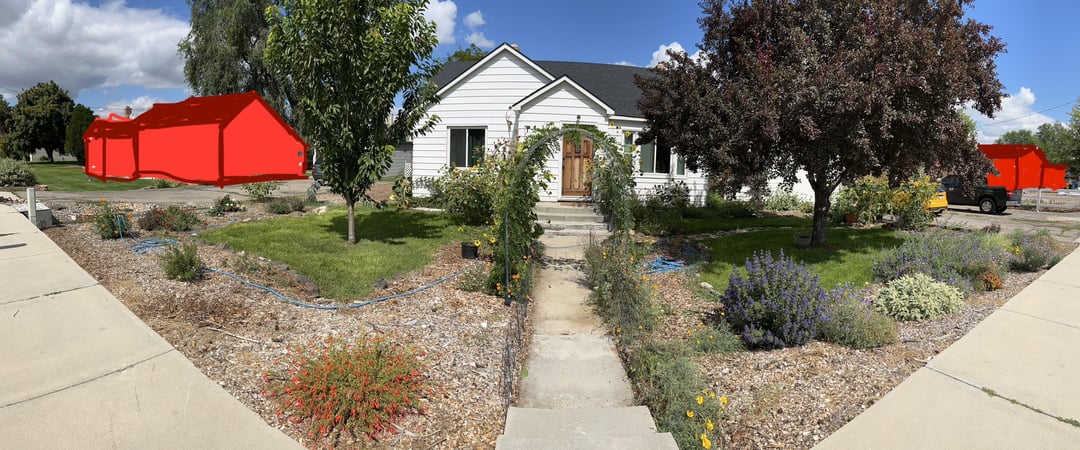
Zone 7A
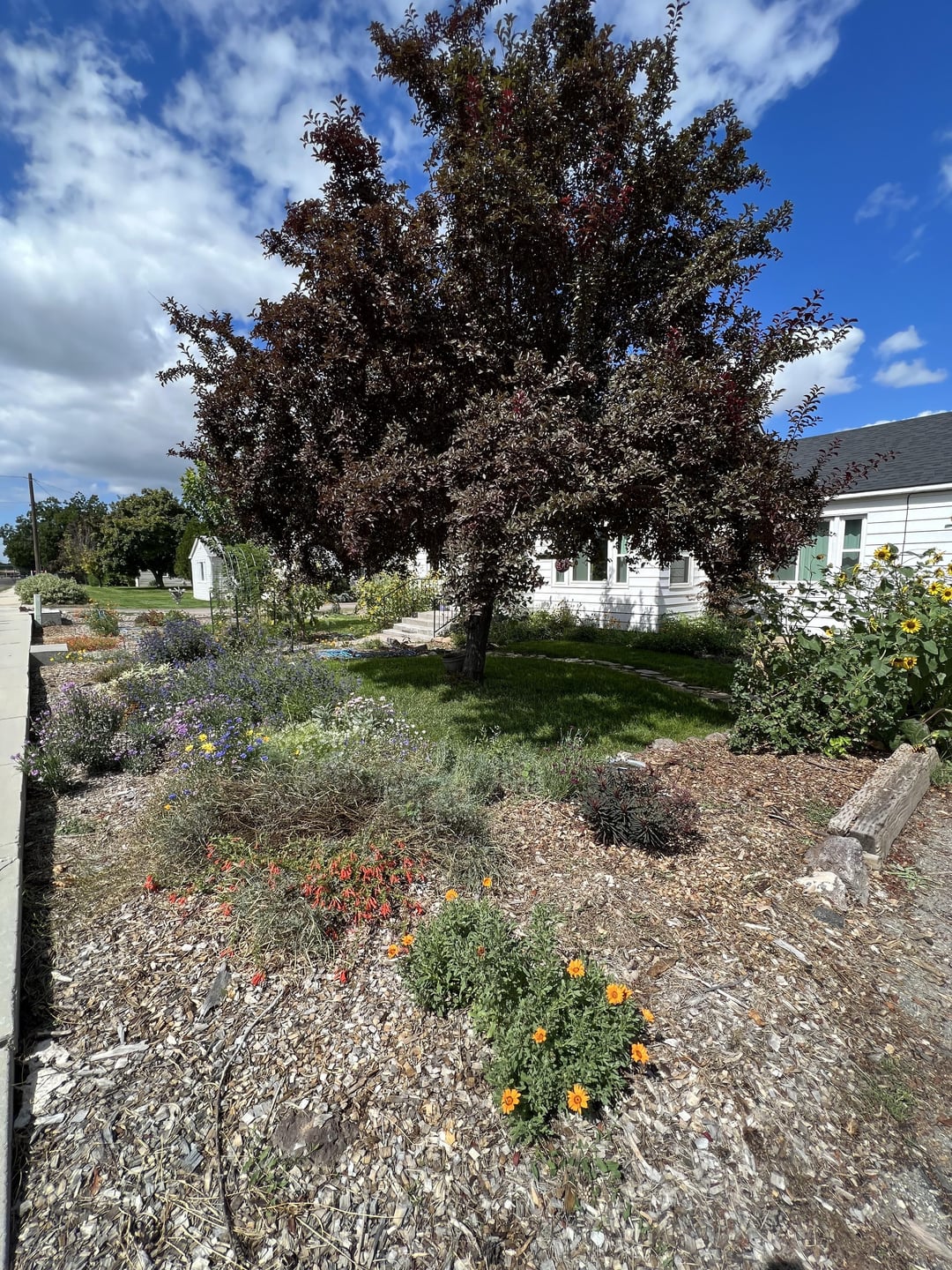
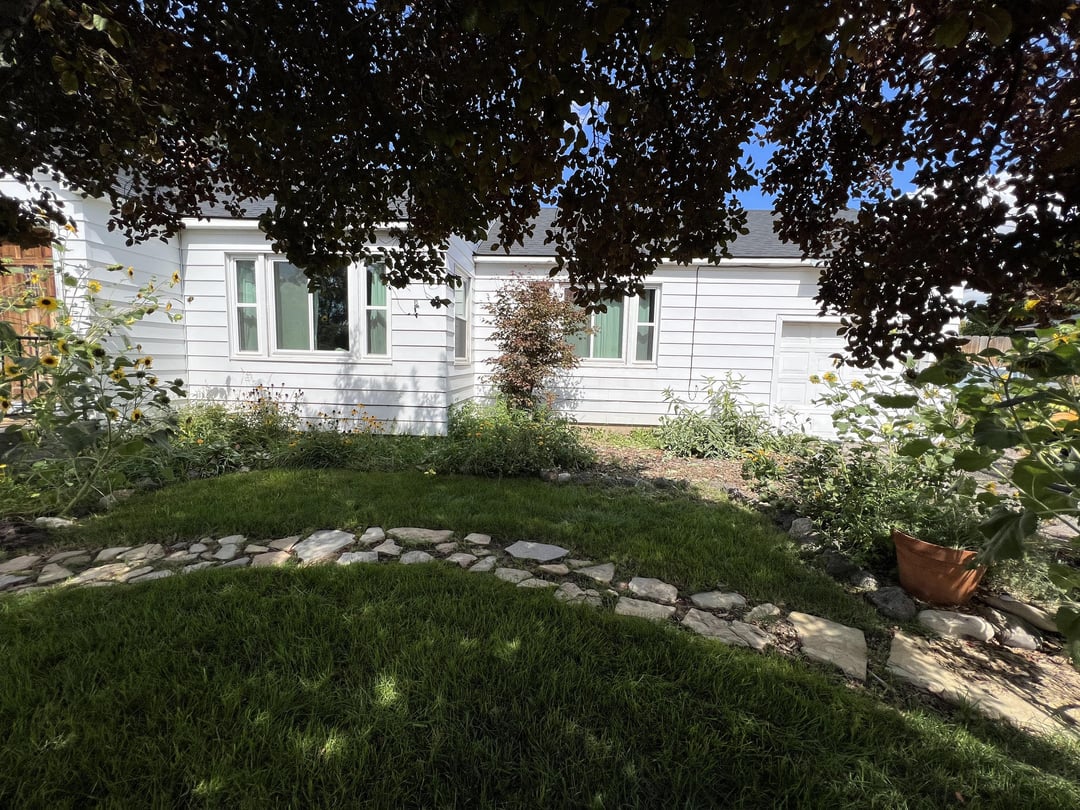
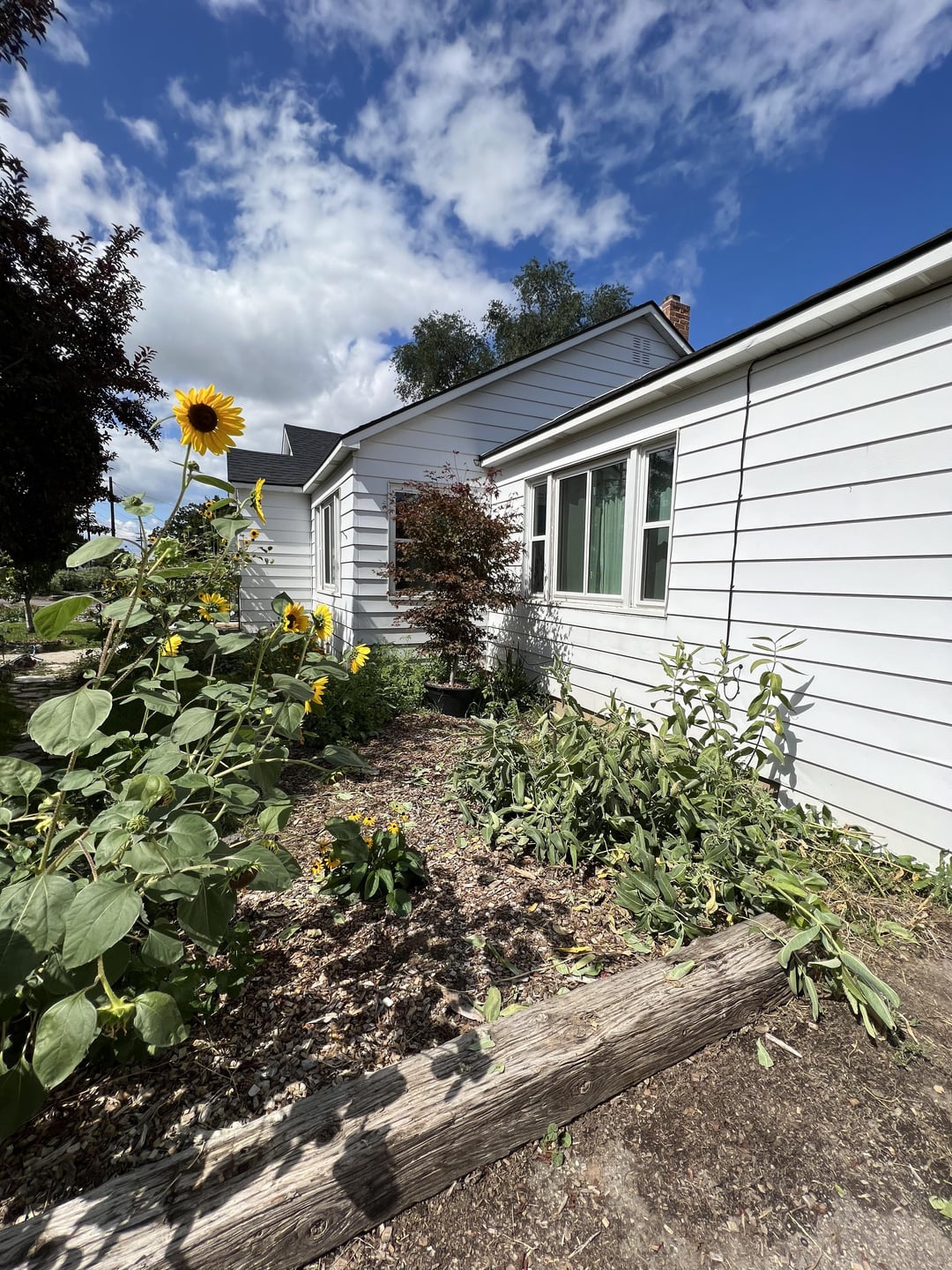
(Most) plants are native/drought tolerant
The tree on the left is a cherry and the right is a plum tree.
I feel like I have too many low plants in the front?
msmaynards
You could add plants that are taller or lean into the little house on the prairie by adding shortish bunch grasses where there’s room. Away from the house is a sunny grassland and close in it’s a shady refuge.
It looks great now, either way you go it will only get better.
Be sure to catch the poppy seeds and scatter them everywhere!
Keighan
That looks so sparse for what I’m used to seeing on native plant groups that are replacing lawns. You don’t need the unkempt prairie look and really it does more to harm the attempt to encourage native planting but even if the plants fill out some that would be the initial start of a landscaping plan for me.
Of course you can’t plant the same things or as densely in dry southwest US vs damp southeast US vs mountainous areas and zone 7 is not enough info to know that but in most parts of the country native plants did not evolve to grow as single specimen plants surrounded in mulch. It also looks so dry and dull to me after seeing the well filled out layering of plants that doesn’t leave empty brown spaces. If well chosen the nearby plants support each other in various ways rather than providing competition and living mulch is far more popular than having to keep adding wood mulch to everything.
Generally with native plantings or when not using mulch every area is 2-3 species planted to complement each other in height, foliage, and blooming time with short plants under bushes and taller plants. It also can get you more blooms year round since unless you use a lot of cultivars bred for more blooms wild native plants don’t typically bloom as long as traditional non-native garden plants. There is not more than 8″ of empty space in the areas I’ve replanted. Even around bushes I know will grow 4’+ wide eventually.
Long term or wood chip mulch is not native pollinator or environmentally friendly. Mulching everything beyond some assistance getting plants established is a very bad habit we’ve gotten into that is not beneficial to anything over good companion plant selection. I use mulched leaves, pine needles, or other things that beneficial insects can overwinter in (instead of my house) and will break down within the year in areas I need to temporarily cover until things fill in the next year.
Living mulch can add far more color, diversity, beneficial insect support, less maintenance, and better weed suppression than replenishing wood mulch every year. Depending on your choices. Annuals often needed reseeded periodically and overly aggressive groundcovers need kept trimmed to avoid taking over everywhere so it requires some research on what goes well in your soil, growing zone, and with the plants you have.
In zone 5 clay soil it’s easiest for me to stick violas under most things. There are many species of native violets to grow in nearly all conditions, aren’t very competitive for larger plants, and don’t use much resources while sometimes even growing where most weeds will not. I also have wild strawberries under grapevines and berry bushes and I’ve started spreading seeds of short anemone species and related plants (American pasque and windflowers) in some areas that aren’t sufficiently filled in.
In many places with better soil than my current yard wild ginger is very popular for filling between and under plants. Especially around trees or large bushes in that ring that would normally be nothing but mulch. In drier parts of the country or very sandy soil short succulents like some of the sedums/stonecrops can be useful fillers and ground covers that aren’t as competitive for the limited resources. Many also use the wide variety of hardy native sedges as space fillers but they generally aren’t as decorative as some options and more often are used as grass alternatives. Sedges are less competitive for the main plants but also not fast enough spreading for places that need a dense cover to prevent weeds by themselves so need paired with other options in those areas that tend to grow something on every square inch of open soil.

3 Comments
Zone 7A
(Most) plants are native/drought tolerant
The tree on the left is a cherry and the right is a plum tree.
I feel like I have too many low plants in the front?
You could add plants that are taller or lean into the little house on the prairie by adding shortish bunch grasses where there’s room. Away from the house is a sunny grassland and close in it’s a shady refuge.
It looks great now, either way you go it will only get better.
Be sure to catch the poppy seeds and scatter them everywhere!
That looks so sparse for what I’m used to seeing on native plant groups that are replacing lawns. You don’t need the unkempt prairie look and really it does more to harm the attempt to encourage native planting but even if the plants fill out some that would be the initial start of a landscaping plan for me.
Of course you can’t plant the same things or as densely in dry southwest US vs damp southeast US vs mountainous areas and zone 7 is not enough info to know that but in most parts of the country native plants did not evolve to grow as single specimen plants surrounded in mulch. It also looks so dry and dull to me after seeing the well filled out layering of plants that doesn’t leave empty brown spaces. If well chosen the nearby plants support each other in various ways rather than providing competition and living mulch is far more popular than having to keep adding wood mulch to everything.
Generally with native plantings or when not using mulch every area is 2-3 species planted to complement each other in height, foliage, and blooming time with short plants under bushes and taller plants. It also can get you more blooms year round since unless you use a lot of cultivars bred for more blooms wild native plants don’t typically bloom as long as traditional non-native garden plants. There is not more than 8″ of empty space in the areas I’ve replanted. Even around bushes I know will grow 4’+ wide eventually.
Long term or wood chip mulch is not native pollinator or environmentally friendly. Mulching everything beyond some assistance getting plants established is a very bad habit we’ve gotten into that is not beneficial to anything over good companion plant selection. I use mulched leaves, pine needles, or other things that beneficial insects can overwinter in (instead of my house) and will break down within the year in areas I need to temporarily cover until things fill in the next year.
[https://dyckarboretum.org/how-to-design-a-native-plant-garden/](https://dyckarboretum.org/how-to-design-a-native-plant-garden/)
[https://www.houstonnativebees.org/learn/bee-habitats/](https://www.houstonnativebees.org/learn/bee-habitats/)
[https://nativegardendesigns.wildones.org/](https://nativegardendesigns.wildones.org/)
[https://grownative.org/learn/native-landscape-plans/front-yard-formal-sun/](https://grownative.org/learn/native-landscape-plans/front-yard-formal-sun/)
[https://www.thespruce.com/all-about-pollinator-gardens-5195334](https://www.thespruce.com/all-about-pollinator-gardens-5195334)
Living mulch can add far more color, diversity, beneficial insect support, less maintenance, and better weed suppression than replenishing wood mulch every year. Depending on your choices. Annuals often needed reseeded periodically and overly aggressive groundcovers need kept trimmed to avoid taking over everywhere so it requires some research on what goes well in your soil, growing zone, and with the plants you have.
[https://www.ruralsprout.com/grow-living-mulch/](https://www.ruralsprout.com/grow-living-mulch/)
[https://edgeofthewoodsnursery.com/living-mulch-part-one-an-ecological-alternative-to-wood-mulch](https://edgeofthewoodsnursery.com/living-mulch-part-one-an-ecological-alternative-to-wood-mulch)
[https://simplysmartgardening.com/living-mulch/](https://simplysmartgardening.com/living-mulch/)
In zone 5 clay soil it’s easiest for me to stick violas under most things. There are many species of native violets to grow in nearly all conditions, aren’t very competitive for larger plants, and don’t use much resources while sometimes even growing where most weeds will not. I also have wild strawberries under grapevines and berry bushes and I’ve started spreading seeds of short anemone species and related plants (American pasque and windflowers) in some areas that aren’t sufficiently filled in.
In many places with better soil than my current yard wild ginger is very popular for filling between and under plants. Especially around trees or large bushes in that ring that would normally be nothing but mulch. In drier parts of the country or very sandy soil short succulents like some of the sedums/stonecrops can be useful fillers and ground covers that aren’t as competitive for the limited resources. Many also use the wide variety of hardy native sedges as space fillers but they generally aren’t as decorative as some options and more often are used as grass alternatives. Sedges are less competitive for the main plants but also not fast enough spreading for places that need a dense cover to prevent weeds by themselves so need paired with other options in those areas that tend to grow something on every square inch of open soil.