
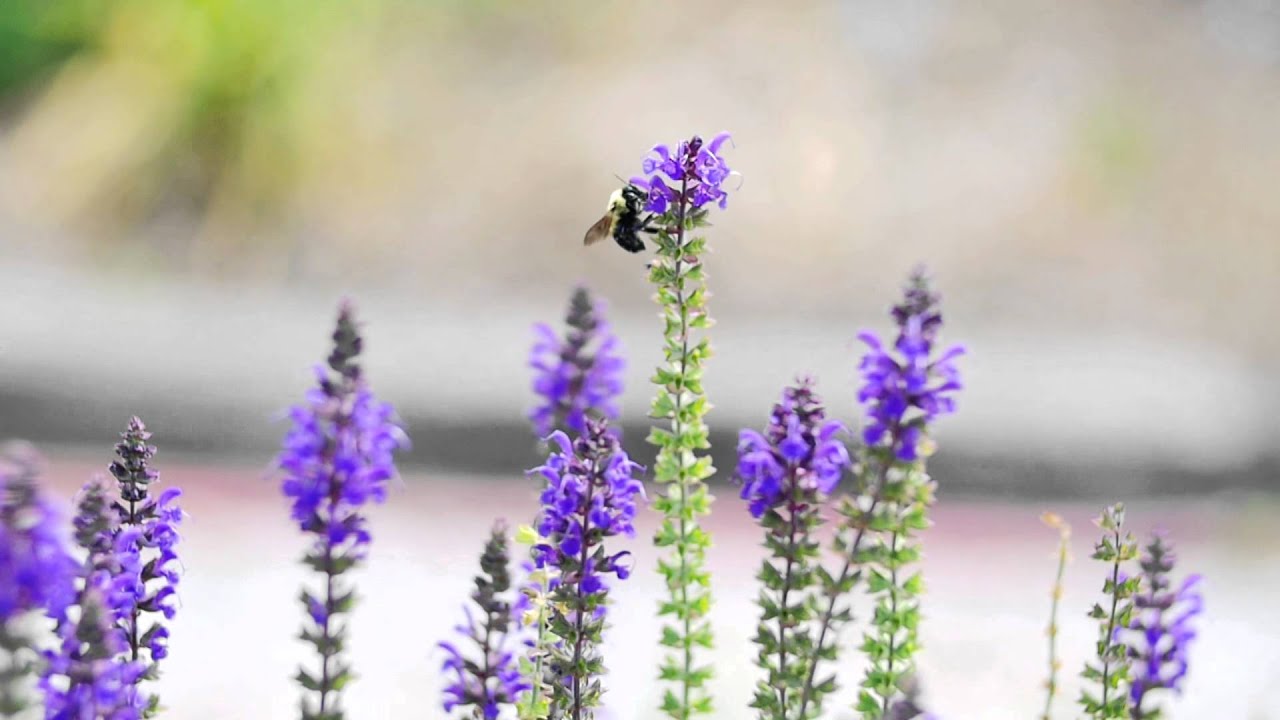
Pollinators are vital to our ecosystem. In fact, about one third of everything we eat requires some form of pollinator in order to make that food. Pollinators include bees, butterflies, moths, birds, and in some parts of the country even bats. Even if you’re not trying to grow any fruit or vegetables, you can aid the greater good by planting a garden to cater to the needs of our pollinating friends. Summer is a great time to plant your pollinator garden.
When planting a pollinator garden the most important decision is the choice of plants and flowers. A main thing to consider is bloom time. Choose plants that flower at different times of the year. Pollinators need something to feed on, whether it’s pollen or nectar, throughout the growing season, which starts in the spring and goes into early fall. It’s good to include plants in a variety of colors, shapes, and sizes. Gardens with diverse plants tend to be the most attractive to pollinators. Using plants native to the region is typically the best choice. You can ask your local nursery for recommendations.
Most plants need to be planted in areas with full sunshine. It’s best for the area to also have some shield from the wind so the pollinators are able to rest. When planting, make sure the plants are spaced far enough apart to give each room to grow. New plants need frequent watering to help establish strong roots. It’s important to keep all the flowers well watered, especially during the hot and dry summer months.