
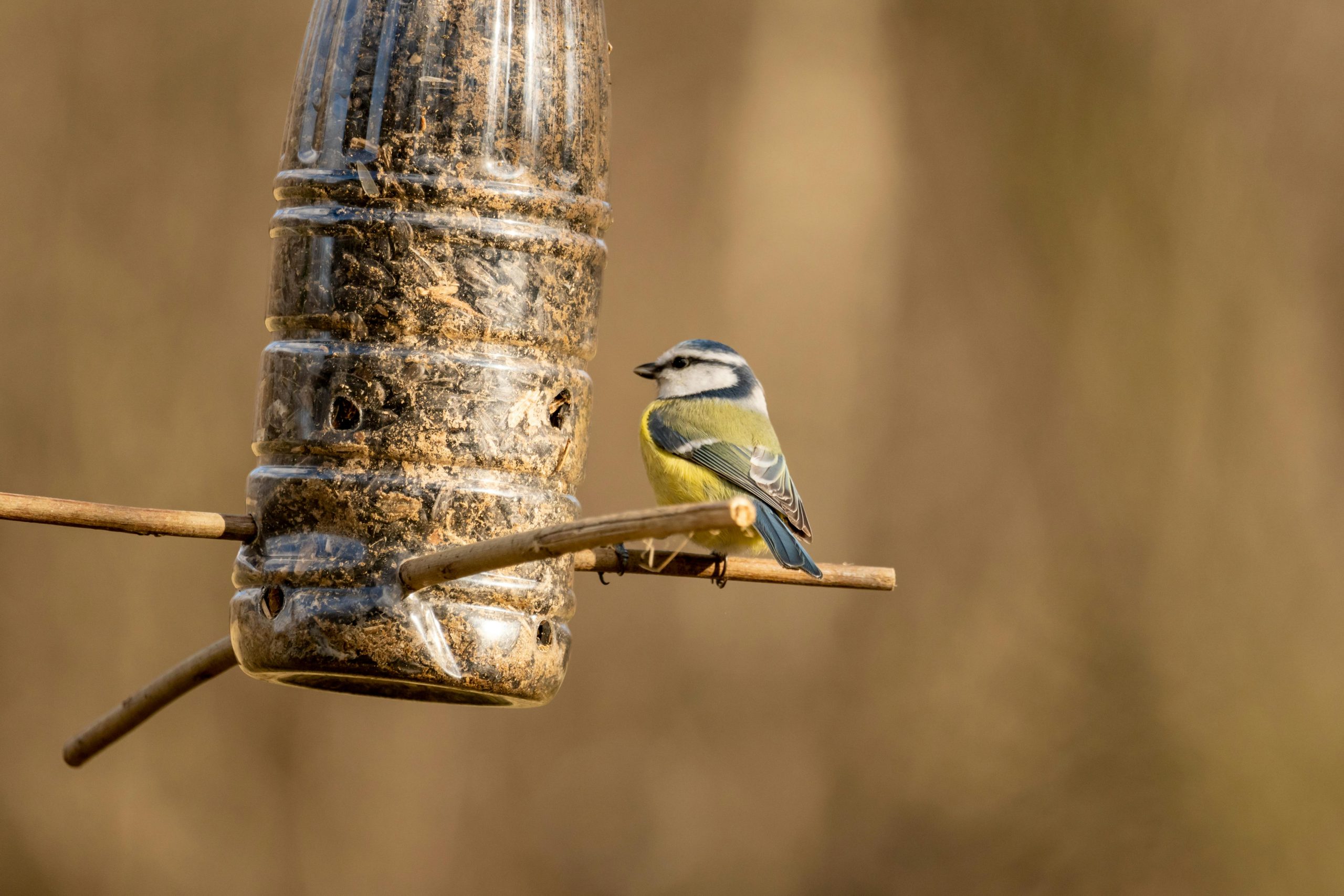
Islanders are being urged to change how they feed garden birds following updated guidance aimed at tackling the spread of a potentially deadly disease.
The JSPCA has highlighted new advice from the Royal Society for the Protection of Birds and other wildlife charities after research linked declines in some common garden birds to trichomonosis – a highly contagious illness that spreads easily where birds gather in large numbers.
Feeders have been identified as a particular risk, with infection able to pass rapidly between birds congregating in shared spaces.
To help reduce the threat, the charity is encouraging households to adopt two key measures: feeding seasonally and feeding safely.
Under the revised guidance, islanders are advised to stop putting out seeds and peanuts between 1 May and 31 October, when disease risk is higher and natural food sources are more abundant.
During this period, small amounts of alternatives such as mealworms, fatballs or suet can still be offered.
From 1 November to 30 April, a full range of bird foods can be provided.
The JSPCA is also stressing the importance of hygiene and careful feeder use. Feeders and water baths should be cleaned at least once a week, while any leftover food or droppings should be cleared from the ground below.
Islanders are also encouraged to move feeders regularly to prevent a build-up of contaminated debris, avoid placing them beneath roosting spots such as trees, and reduce crowding by spacing out multiple feeders.
Flat-surfaced feeders – including bird tables and window trays – should be avoided due to a higher risk of disease transmission.
Bird lovers are also being encouraged to feed in moderation, ensuring food is eaten within one to two days, and to keep feed dry to limit the survival of harmful organisms.
Fresh water should be changed daily using tap water, with ponds described as the best long-term option for providing a safe water source.
The JSPCA added that one of the most effective ways to support bird populations is to encourage natural foraging by planting bird-friendly species such as sunflowers, teasels and ivy.
Islanders seeking further information are advised to consult the RSPB’s website.
Related
Comments are closed.