
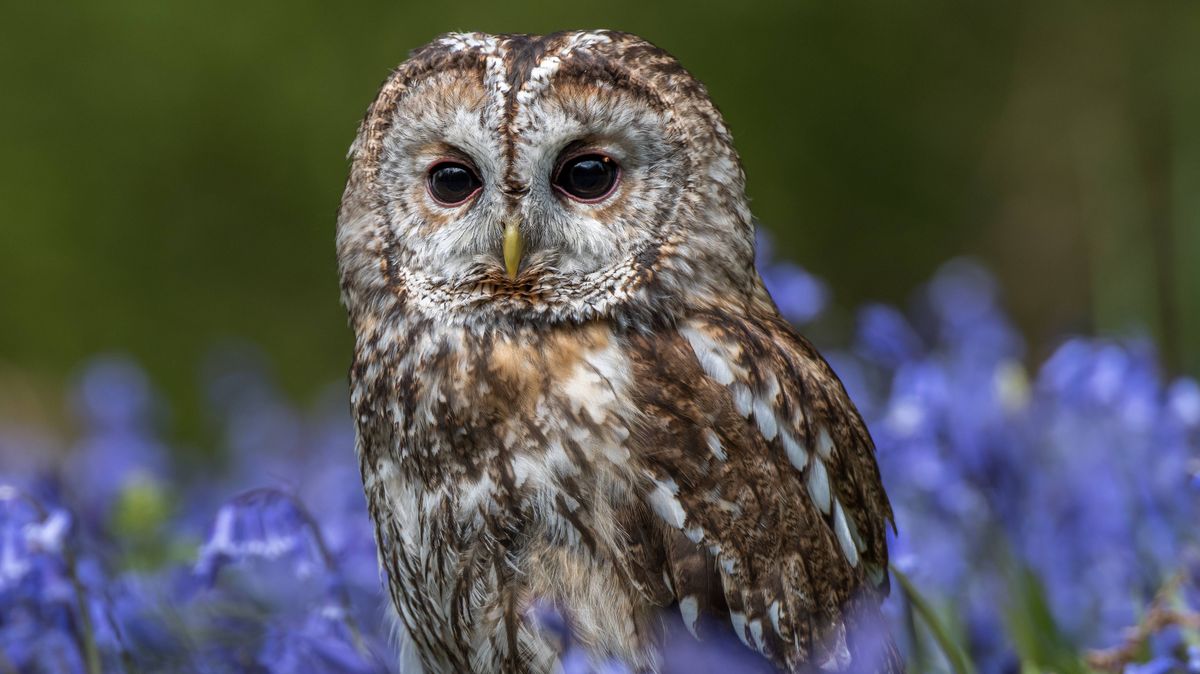
Owls are one the most effective pest control agents, eating dozens of rodents every night without the need for poison or traps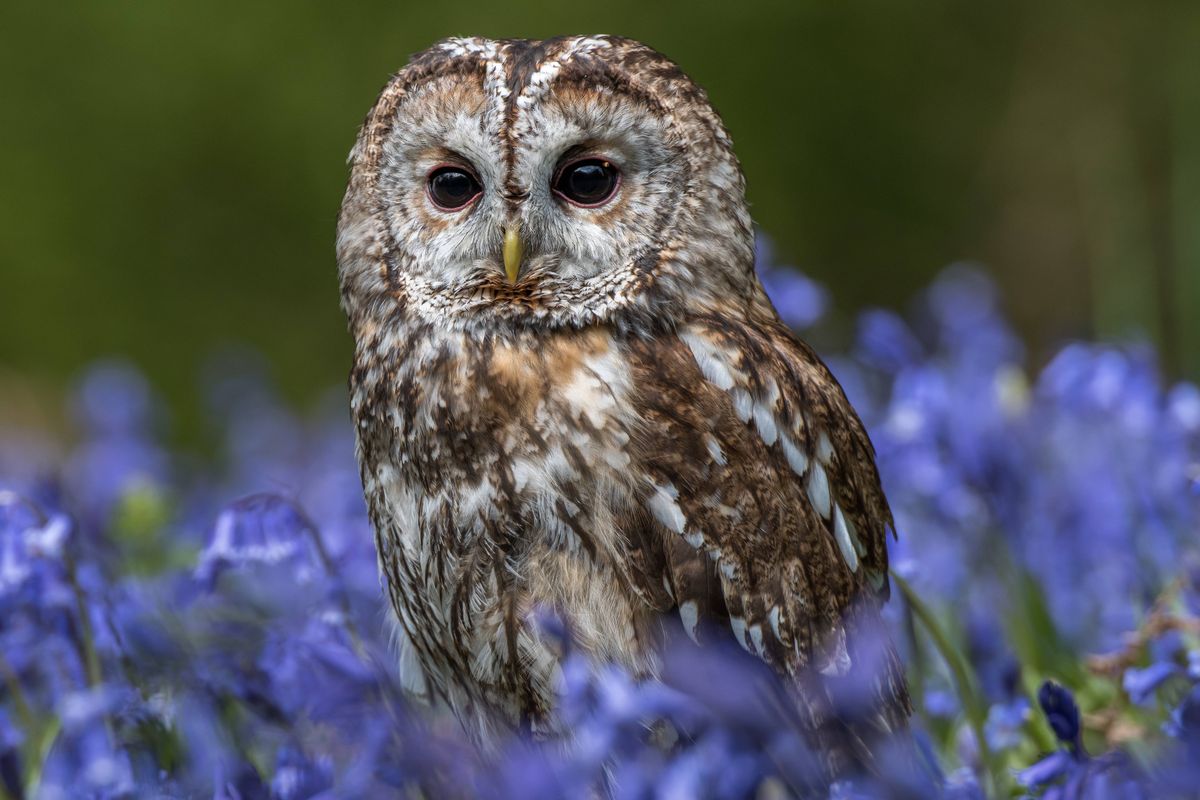
Owls will keep mice and rats out of your garden without needing to use poison that hurts wildlife (Image: David Lain / 500px via Getty Images)
While owls are typically thought of as creatures dwelling deep in woodland or at magical schools, they commonly nest close to gardens across the UK. That being so, gardeners ought to lend them a hand now as spring can prove challenging for their survival.
April marks the breeding season for both tawny and barn owls. Their need for food reaches its peak, as they frequently travel greater distances in search of rats and mice.
However, many households use rat poison in their gardens during this period to manage rodents, which can lead to owls feeding their young contaminated prey.
This can cause local owl populations to fall sharply, despite the fact that a single owl can consume dozens of rodents nightly, making them among the most efficient natural pest controllers available without resorting to chemicals.
Wildlife experts at Green Feathers have revealed that attracting owls to your garden is straightforward, requiring nothing more than switching off outdoor lights come evening.
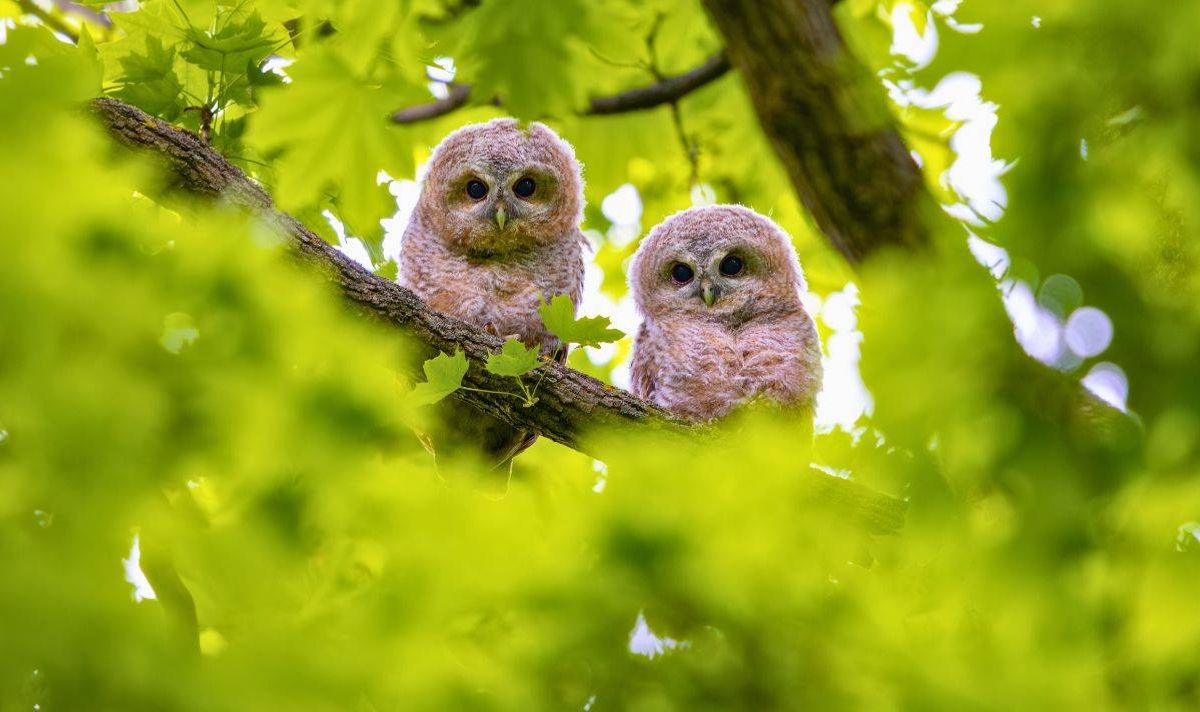
Owls are more likely to be endangered in spring when trying to feed their chicks(Image: Getty)
They said: “To make your garden more owl-friendly, you need to reduce light pollution at night. Keep lights turned off if possible or invest in motion-activated lighting instead.
“This will keep your home protected by illuminating shadowy corners if a potential intruder approaches, without disturbing the owls in the area.”
Owls possess remarkable night vision and hunt rodents in almost complete darkness, but artificial lighting disrupts their senses and hampers their ability to locate prey. To encourage owls into your garden, outdoor lighting should be kept to a minimum, meaning solar lights, path lights, fence lights and fairy lights should all be switched off.
While garden lighting can remain, motion-activated lights are far preferable, as they provide a more natural setting for owls, making them more inclined to hunt rodents on your property.

Taking the time to switch off any outdoor lights will encourage owls into your garden(Image: Getty)
It will also prove tremendously beneficial to avoid mowing your lawn too frequently, or to leave a section of grass to grow long, as owls naturally tend to hunt rodents in open grassy areas such as fields.
When owls spot large patches of grass, they view it as a readily available food source, making the prospect of nesting nearby far more appealing.
Many people choose to install nest boxes for owls, and should you wish to do so, ensure you purchase a sturdy wooden one capable of withstanding the typically wet and windy British weather.
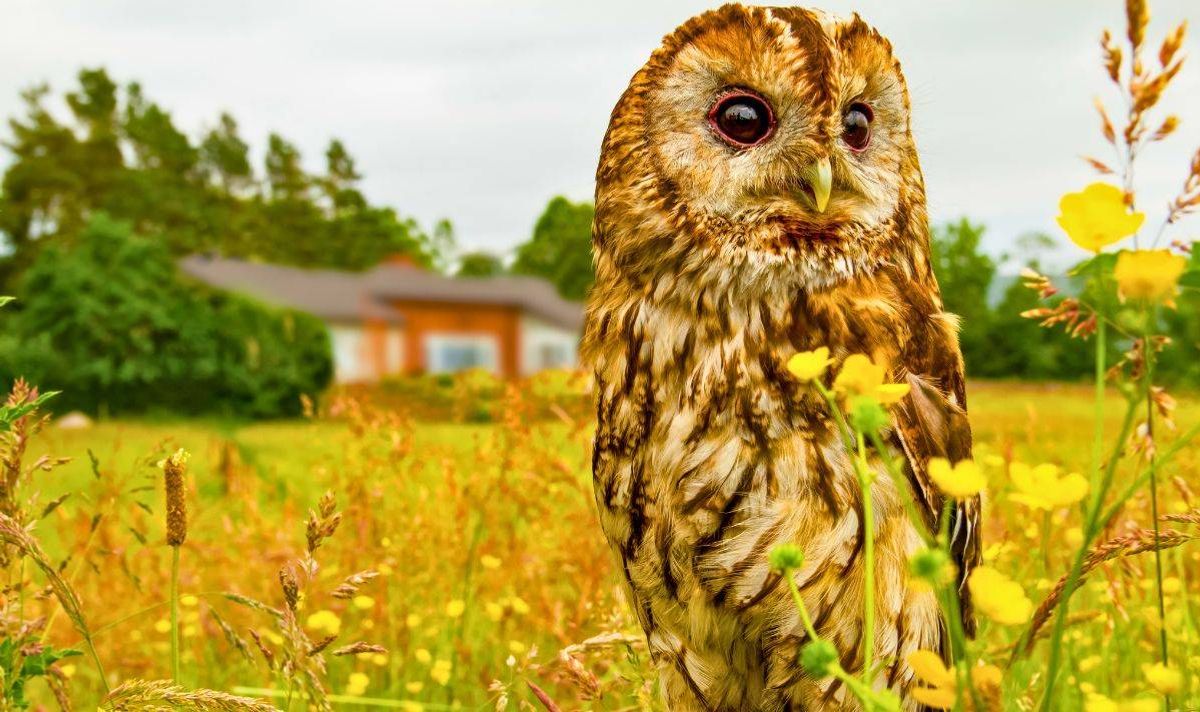
Owls are more likely to come into gardens with long grass or messy lawns(Image: Getty)
However, the single most vital thing to bear in mind is to avoid using rat poison or pesticides in your garden at this time of year, as, despite the temptation, it remains one of the primary reasons certain owl species are declining so dramatically.
The experts said: “According to The Barn Owl Trust, 95% of wild barn owls contain rat poison in their systems, causing a huge problem for this species. If you want to attract owls into your garden to deal with a rat problem, make sure your garden is free of rat poison and rat traps – trust the owls to handle the issue for you.”
Comments are closed.