
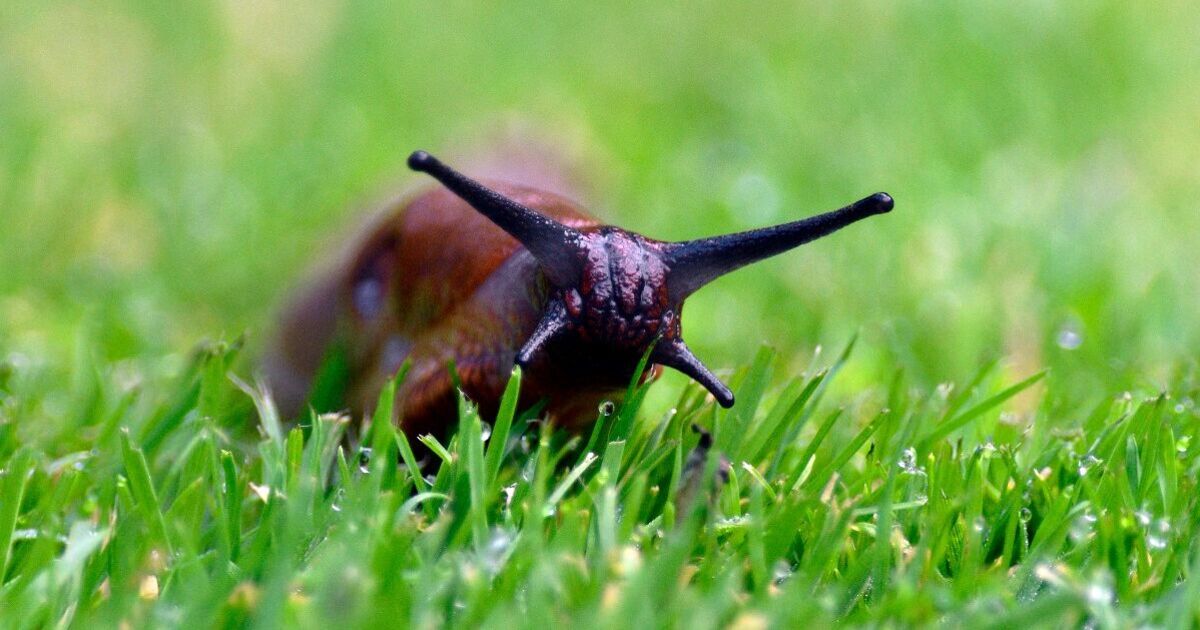
Slugs have many myths associated with their kind (Image: Getty) This article contains affiliate links, we will receive a commission on any sales we generate from it. Learn more
It’s a nighttime terror which keeps many gardeners awake thinking about these slimy marauders rampaging over the rose bushes and chomping through the borders. But while certainly annoying, there’s a lot not widely understood about the humble slug.
A new book, The Good Slug Guide, by ecologist Jo Kirby, says it will “change the way you think about gardening – and slugs and snails” and there’s 12 myths about the common land gastropods that the author sets out to dispel.
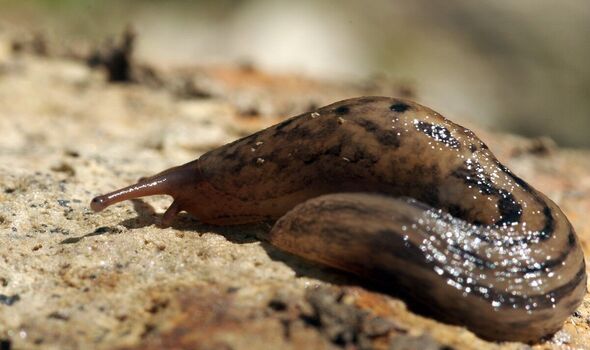
According to the Royal Horticultural Society, there are are over 44 species of slugs and 90 species of snails in the UK. Some, such as the great grey slug, or leopard slug, can move at a spritely six-inches-per-minute, meaning they can slither along the full length of a football pitch in just 11 hours and 30 minutes.
READ MORE: Monty Don shares top methods to deter slugs and snails
READ MORE: Strawberries stay slug-free if you make important soil change
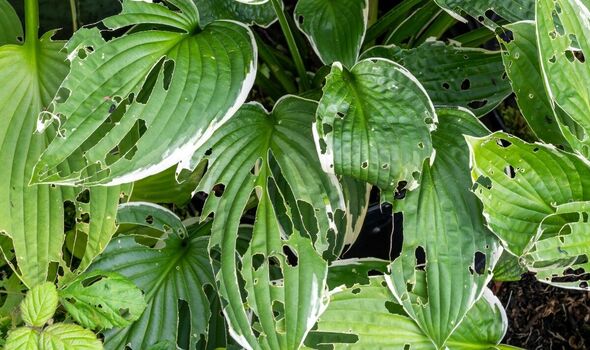
The slimy invaders can cause devastation to gardens (Image: Getty)
According to a review of The Good Slug Guide in the magazine Gardens Illustrated there are many things British green-fingered enthusiasts get wrong about slugs, and 12 myths that are simply not true.
The average garden has 200 slugs
It’s estimated that actually in an average garden measuring 1,870 square feet there could be as many as 35,000 slugs.
All slugs are equally bad for the garden
According to the book there are actually only around five major pests in the slug and snail family, the common garden snail (Cornu aspersum), the grey field slug (Deroceras reticulatum), the Budapest keeled slug (Tandonia budapestensis), the blue-black soil slug (Arion hortensis) and the Spanish slug (Arion vulgaris).
Many of the other species do not cause widespread harm and actually can help by eating dead matter from the garden. The large leopard slug does not eat green leaf material, and actually preys on other slugs.
Slugs all look similar and are hard to identify
Some slugs are easier to identify than others, but all can be sorted into groups with practice. All slugs have a breathing pore near their heads, but different species can often be told apart by working out where the pore is placed. Different markings and colorations also help with identification.
In fact slugs do not like the rain and will take shelter, they enjoy the damp conditions after a downpour but do not enjoy getting caught in a shower.
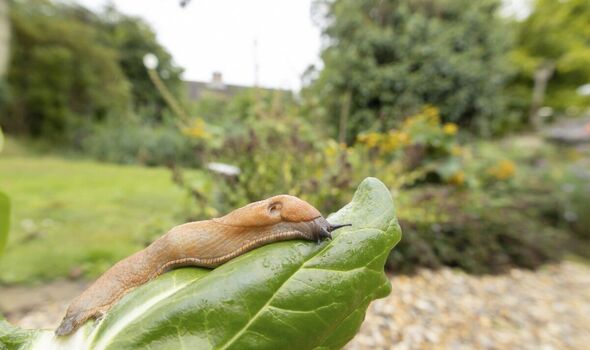
Slugs can move move at more than six inches per minute (Image: Getty)
As mentioned above, some slugs like the leopard slug actually hunt other slugs and in general the little slimy creatures are not exclusively plant eaters. Carrion and faeces can also play a large part in their diet, as well as earthworms and fungus.
Remove all damaged, dying and dead leaves and shoots to avoid attracting slugs
Removing dead leaves and plant material is not a surefire way to get rid of slugs, because as pointed out above they don’t just eat plants.
Deny slugs and snails shelter
It’s actually better to place shelter where you know where it is, rather than remove it entirely because this will also discourage other beneficial species for the garden. If you place the shelter where you want, then you can monitor your slug population and still help other species get into the garden.
Hedgehogs, frogs and toads will combat slugs
In fact toads and frogs might only eat one slug a week and hedgehogs much rather prey on insects like ground beetles, which can be bad in the war on slugs.
It’s reported beetles actually eat more slugs than the hedgehogs and amphibians combined.
Slugs are subject to a variety of myths (Image: Getty)
Use barriers and copper wire against slugs
According to the RHS, in some studies, copper-based barriers have been shown to repel slugs, but a recent RHS study in a garden-realistic scenario found no reduction in slug damage from barriers made of copper tape, bark, mulch, eggshells, sharp grit or wool pellets.
Using organic slug pellets is good
According to Gardens Illustrated, some slugs such as the Spanish slug can munch through as many as 20 pellets before they stop eating and if pellets only affect one species it could give others a competitive advantage.
Slugs don’t have many enemies in the garden
It’s actually quite a dangerous world if you’re a slug as there are a whole host of adversaries out there, including rove beetles, ground beetles, slow worms, frogs, mice, spiders, shrews, hedgehogs and toads.
Slugs are a primitive species
Slugs evolved from snails and according to the Natural History Museum, they actually do still have a shell, but it’s internal. Their shell has been reduced so much through evolution that in most species it’s found under an area of thick flesh on the back of the slug’s head known as the mantle. However, there are a few slugs, including two UK species of Testacella, that have a relic of a shell on the end of their tail.
Snail and slug slime acts not only as an adhesive but also as a barrier that prevents dehydration. If this wasn’t enough, it also has antibacterial properties that stop infections and help wounds heal.
Comments are closed.