
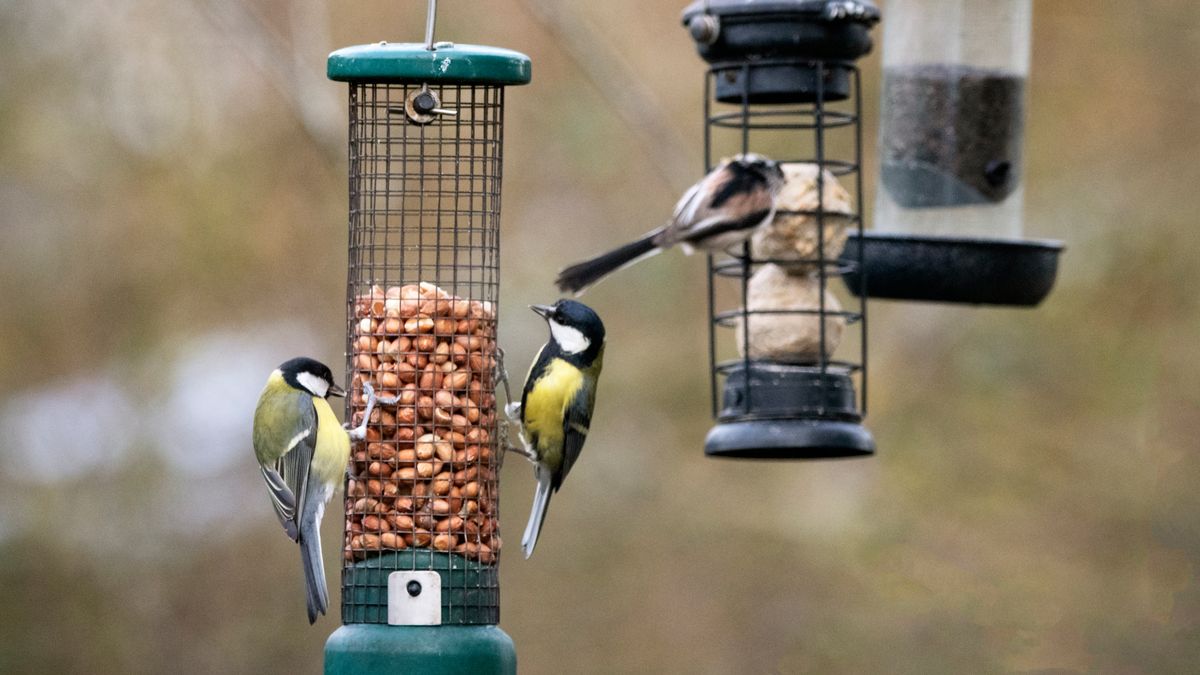
The warning comes from the Royal Society for the Protection of Birds (RSPB
10:28, 10 Apr 2026Updated 10:31, 10 Apr 2026
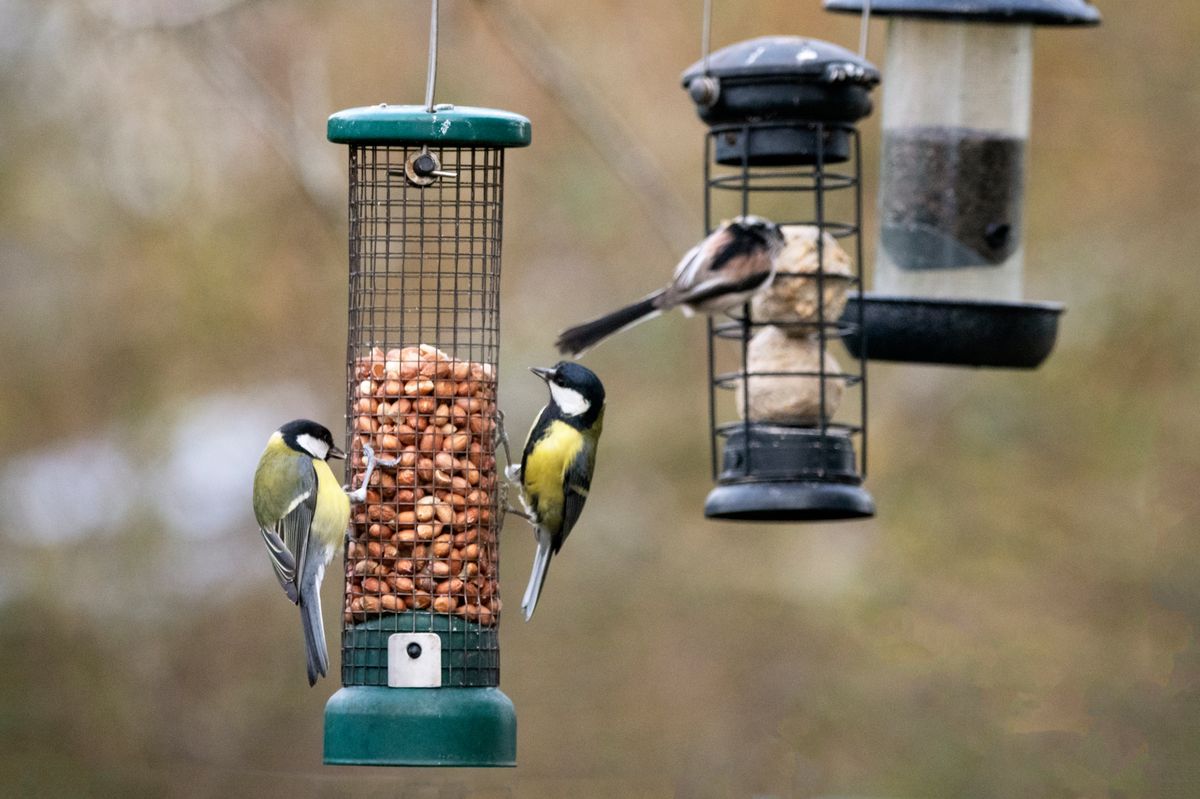
UK gardeners are urged to change how they feed birds this summer to help stop the spread of a deadly disease.(Image: Getty Images)
Gardeners across the UK are being urged to rethink how they feed birds this summer. New guidance warns that common feeding habits may be accelerating the spread of a deadly disease.
The Royal Society for the Protection of Birds (RSPB) has called on households to stop filling feeders with seeds and peanuts between May 1 and October 31, citing growing evidence that feeding practices are contributing to the decline of several species. At the centre of the concern is trichomonosis, a highly contagious disease that spreads easily when birds gather in large numbers at feeding stations.
Research has linked the illness to sharp population drops, particularly among finches. Greenfinches have seen numbers fall by more than 65 percent over the past three decades.
Once ranked seventh in the most commonly spotted birds when the Big Garden Birdwatch began in 1979, they have now dropped to 18th place. Chaffinches have also been badly affected, with concerns now extending to Bullfinches.
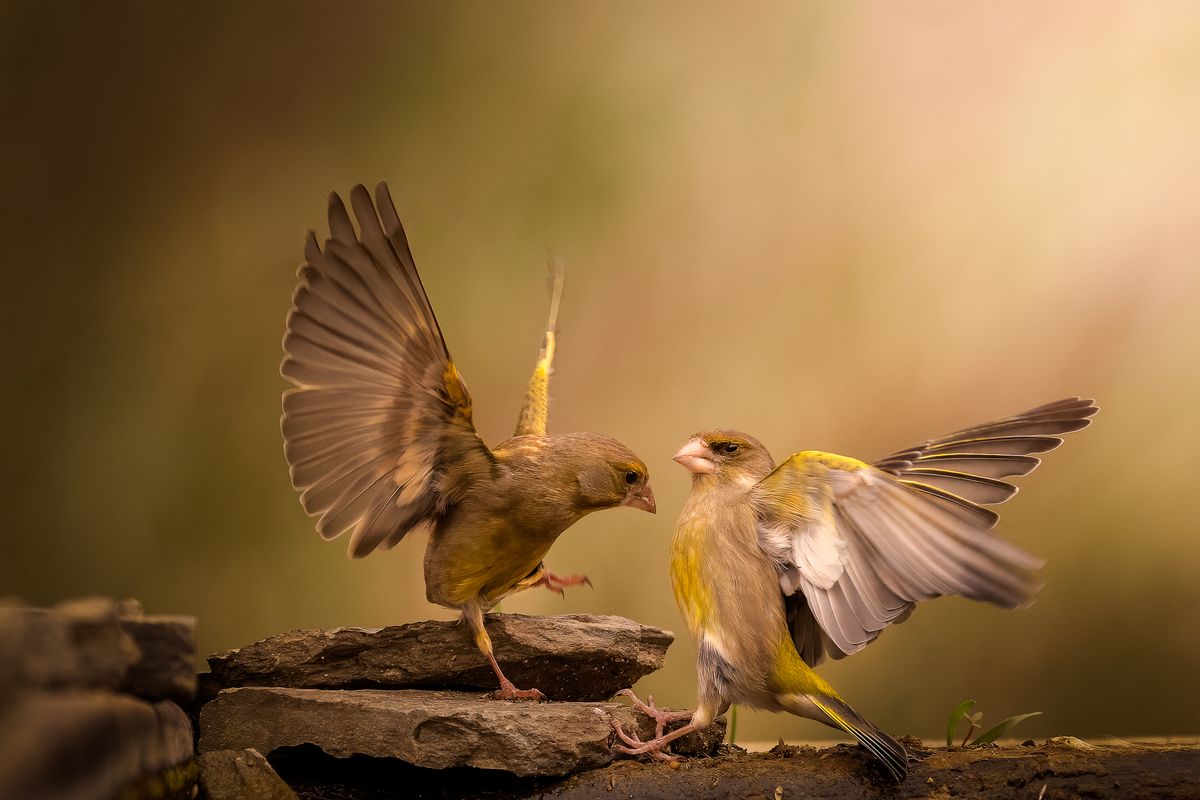
Research links trichomonosis to sharp declines of Greenfinch, with numbers down over 65 percent in 30 years.(Image: Getty Images)
The RSPB says: “We’ve been working with experts to find a solution, and we believe that, together, we can make a difference by feeding birds seasonally and safely.”
Under the updated advice, people are encouraged to pause seed and peanut feeding during the warmer months when the risk of outbreaks is highest. Natural food sources such as seeds and insects are more widely available during this period, reducing birds’ reliance on garden feeders.
Instead, small amounts of mealworms, fatballs or suet can still be offered. The RSPB explains: “We are currently seeing huge declines in the UK’s Greenfinch and Chaffinch populations, and we may also be seeing a rapid decline in Bullfinches, caused by the disease trichomonosis.
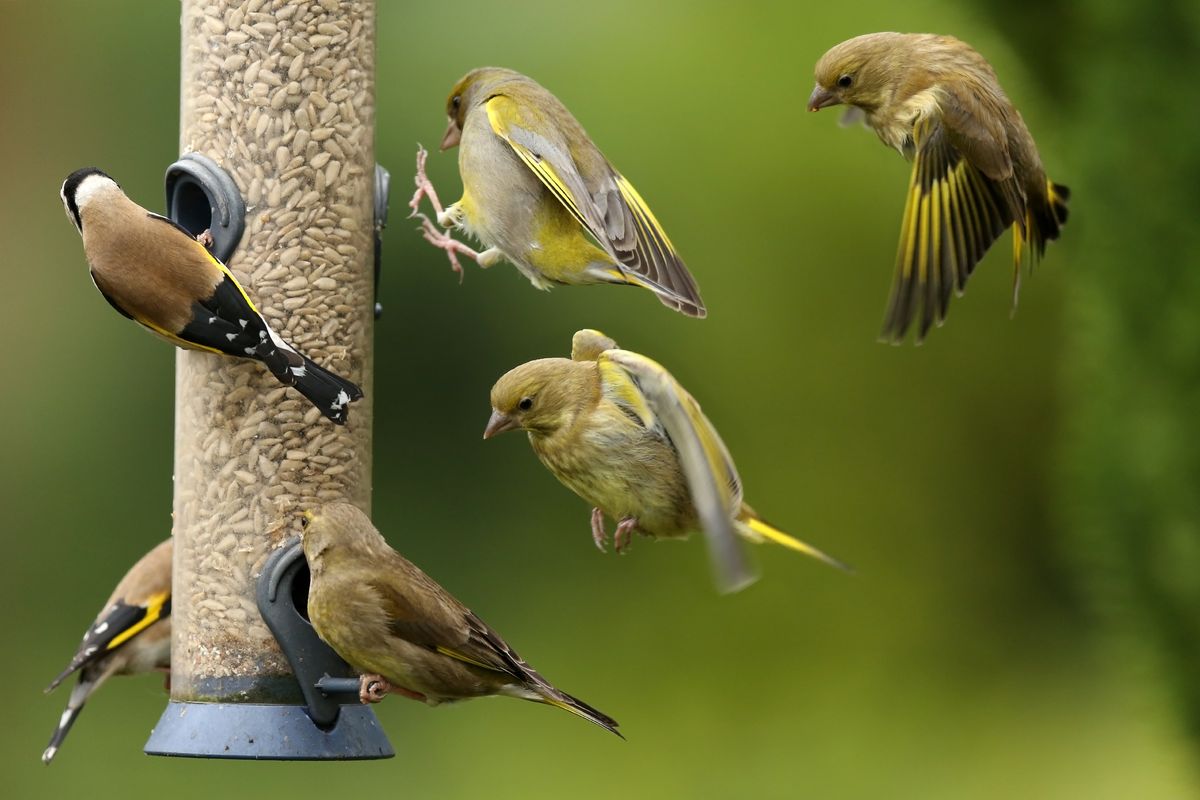
Finches prefer seeds and peanuts, but fatballs, suet and mealworms are considered low risk for spreading trichomonosis because they are rarely eaten by them.(Image: Getty Images)
“Finch species prefer to eat seeds, but when seeds aren’t available, they will divert to peanuts. As finches rarely eat fatballs, suet and mealworms, we consider these foods are low risk when it comes to the spread of trichomonosis.”
The guidance follows an evidence review which found strong links between supplementary feeding and the transmission of disease in garden settings. Scientists concluded that infection risk peaks in summer and autumn, while colder winter conditions help suppress the parasite.
From November through April, feeding can resume as normal, including seeds and peanuts. This period includes the so called hungry gap between March and April when natural food is often scarce and birds benefit most from additional support.
Alongside seasonal changes, the RSPB has strengthened its hygiene advice. Feeders and bird baths should be cleaned at least once a week, with old food and droppings cleared from surrounding areas.
Moving feeders regularly and spacing them apart can also help limit contact between birds.
Flat surface feeders such as bird tables and window trays are now strongly discouraged.
The RSPB says: “Yes. Our evidence review found that bird tables and other flat feeders pose the greatest risk of disease transmission.
“Birds that are sick with trichomonosis often perch on flat surfaces where they attempt to feed. The disease makes swallowing food difficult, so they often regurgitate contaminated food back on to the flat surface where it is then available for healthy birds to pick up.
“Even daily feeder cleaning will not prevent the consumption by healthy birds of previously regurgitated food. That’s why we advise that no flat surface feeders, including bird tables and window feeders, are used to feed birds.”
Water sources also requires caution. The parasite can survive in water, so bird baths should only be used if the water is changed daily using tap water. A pond is considered a safer, more natural alternative.
The RSPB adds: “We know that the trichomonosis parasite can survive in water and this may be one way the disease is spread in gardens.
“To minimise the risks, we recommend that you only put water out for birds if you’re able to change it every day, using tap water, and if there is no local pond available.”
Comments are closed.