
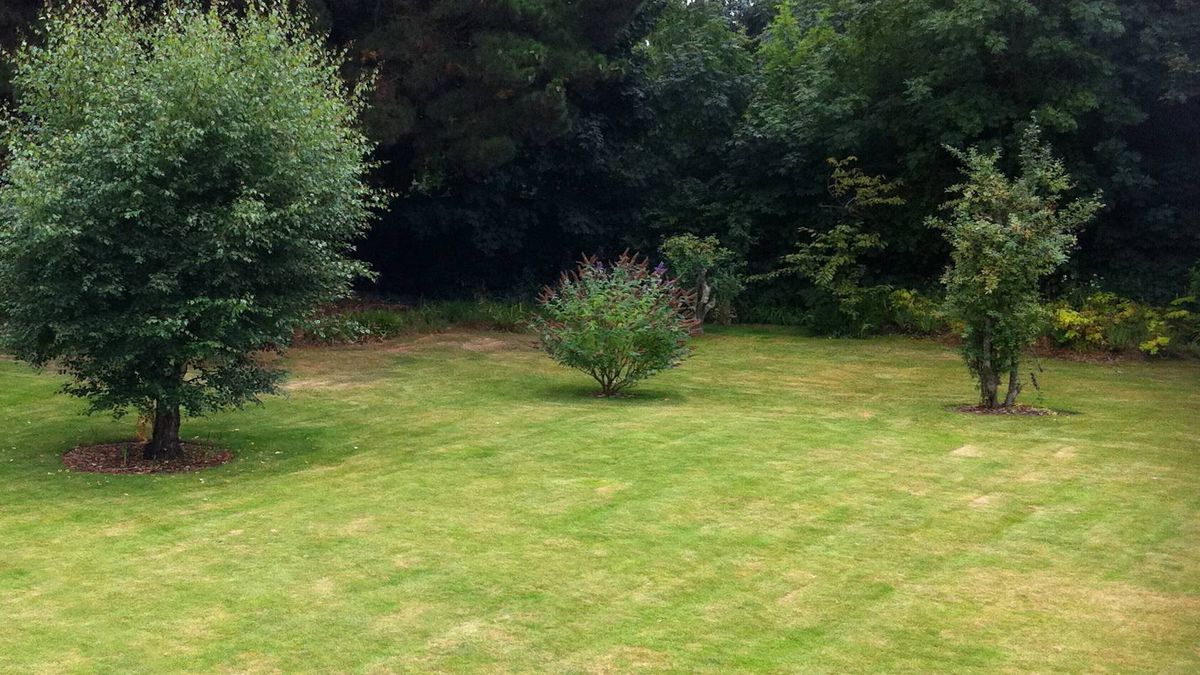
April is the best time of year to fix discoloured or patchy lawns with bare patches, according to the pros, and it can be done with just one simple task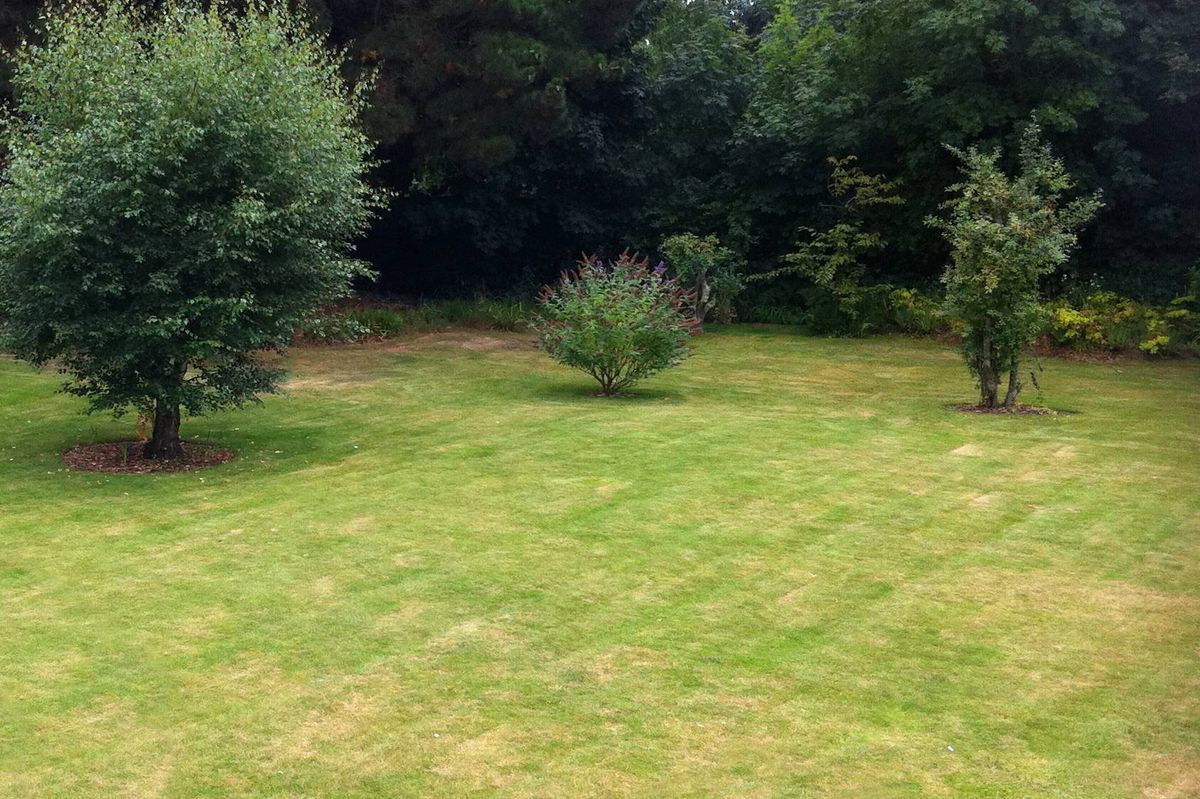
Gardening experts say April is the best time of year to fix discoloured or patchy lawns with bare patches, and it can be done with just one simple task.(Image: mtreasure via Getty Images)
Patchy lawns and discoloured grass aren’t merely frustrating for homeowners – they’re also telltale signs of nutrient deficiency or unwanted intruders. Like all plants, grass is susceptible to environmental factors, which can manifest as noticeable changes across your lawn requiring immediate attention.
The good news is that, in most instances, it’s relatively “straightforward to revive your lawn” ahead of summer, according to gardening experts at Stihl. They stress the importance of swift action when addressing lawn damage, as this isn’t purely about appearance.
Neglected bare spots create vulnerable areas where moss and weeds will readily take hold.
Should this happen, you’ll face a considerably more demanding lawn maintenance challenge, with repairs likely taking significantly longer.
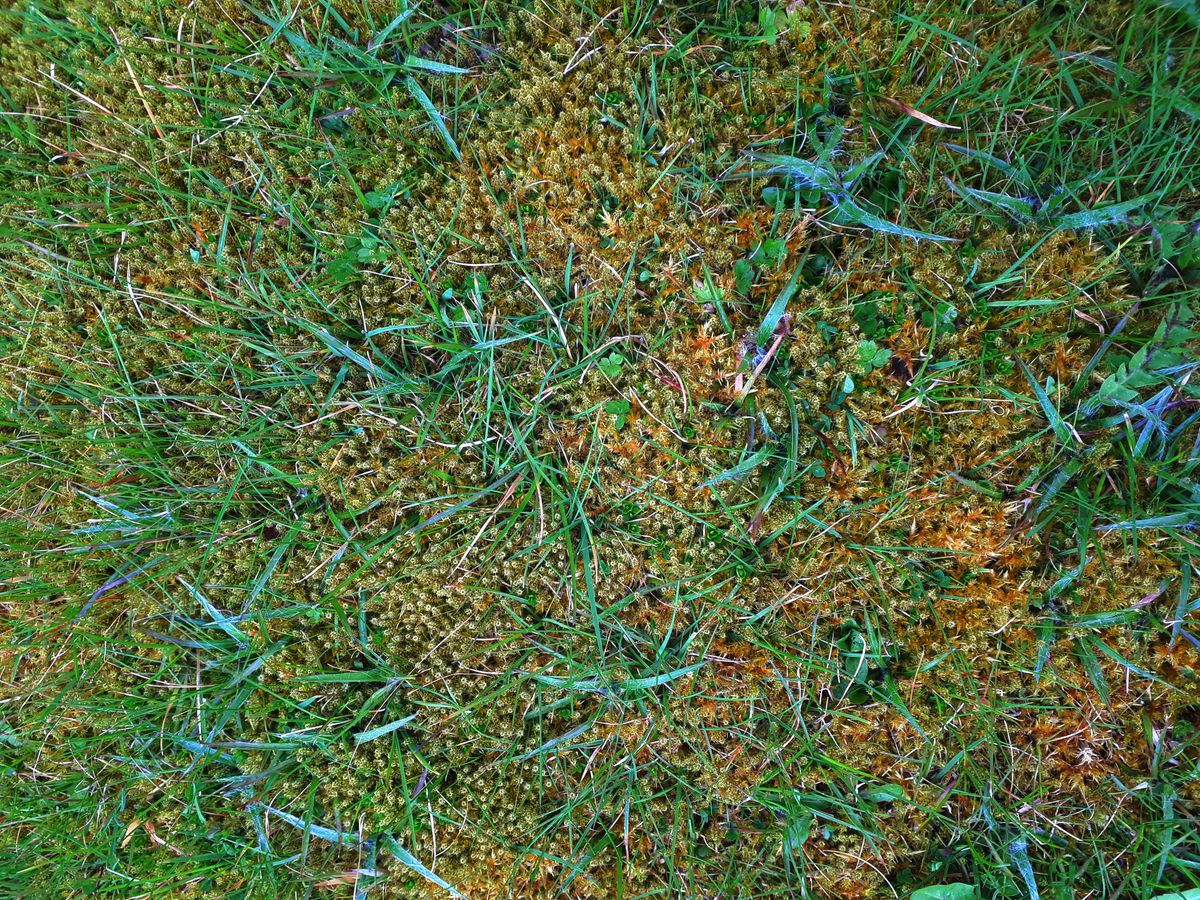
Bare patches represent points of weakness where moss and weeds will be more than happy to establish themselves(Image: Brenda Kean via Getty Images)
The gardening specialists said that it’s typically “easy to repair a lawn with bare patches” through one straightforward task – sowing fresh grass in the damaged sections, a process known as reseeding or overseeding.
They emphasised that the best time to do this falls in April or September, when the ground isn’t subjected to frost or intense sunshine. Soil temperature must reach just above 10 degrees to guarantee even growth.
For reseeding, it’s advisable to use the identical grass seed mixture originally applied to your lawn. If that’s no longer available, select a comparable variety that will blend with the colour of your existing turf.
Reseeding your lawn step-by-step1. Cut your lawn
Begin by mowing your lawn, being careful not to remove too much of the grass blade at once. It’s advisable to cut lawns by no more than one-third.
2. Clear dead patches
Use a rake to loosen the soil in smaller affected areas, clearing away any weeds, moss and dead vegetation.
This opens up the surface, allowing air, water and micronutrients to penetrate the ground and nourish the grass as it develops. It also ensures the grass seeds will make good contact with the soil later on.
3. Scatter lawn seed
With the ground properly prepared, you can now progress with your repair work by distributing the grass seed uniformly across the damaged areas. This can be done by hand, or for more extensive patches you may find it easier to use a spreader.
Finally, press the seed firmly into the soil using a board or roller. Alternatively, you could combine the grass seed with potting compost prior to sowing, ensuring it already has soil contact when scattered.
4. Water and feed the area
Water the newly sown areas using as gentle a flow as possible (ideally with a spray nozzle) to avoid washing the seeds from the soil surface.
Where needed, cover the repaired patches with a thin layer of potting compost or something similar.
Now simply wait and ensure the soil remains moist. Keep off the freshly sown areas for the next few weeks.
Comments are closed.